Trump endorses Israeli Prime Minister Benjamin Netanyahu for reelection
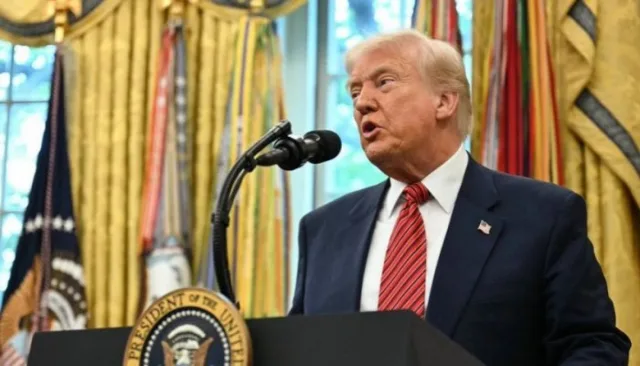
President Donald Trump has thrown his support behind Israeli Prime Minister Benjamin Netanyahu ahead of Israel's October 27 elections, offering a coveted boost as the incumbent faces a tight race.
- Headline: Trump endorses Israeli Prime Minister Benjamin Netanyahu for reelection
- Dispatch Summary: President Donald Trump has thrown his support behind Israeli Prime Minister Benjamin Netanyahu ahead of Israel's October 27 elections, offering a coveted boost as the incumbent faces a tight race.
- Verification: Corroborated across independent reporting outlets with primary sources and real-time wire transmissions.
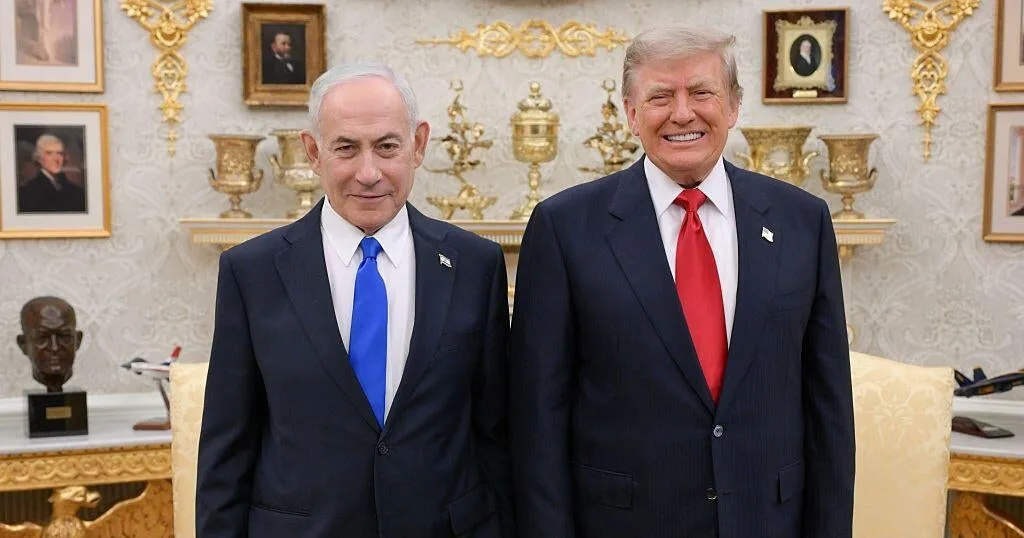
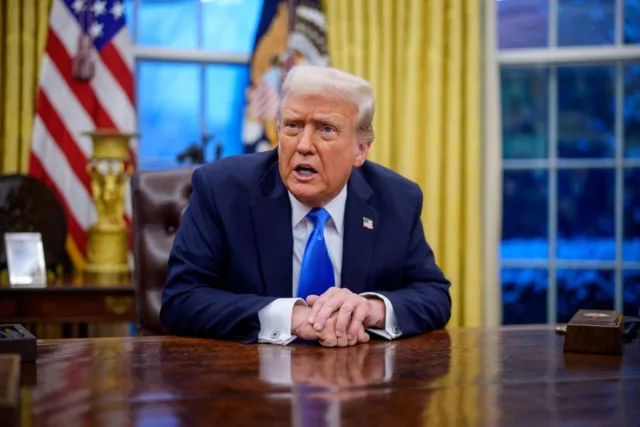
President Donald Trump on Sunday threw his support behind Israeli Prime Minister Benjamin Netanyahu ahead of Israel's October 27 elections, declaring his Complete and Total Endorsement
of the longtime leader's bid for reelection. The endorsement arrives as a coveted boost for the incumbent prime minister, who has long billed his tight ties to the Republican president as a central selling point for staying in power. Yet the American leader had withheld his backing for months as the vote neared and the two allies diverged over strategies in the Middle East, leaving the timing of the announcement hanging over what is expected to be a tight race.
Writing on his Truth Social platform, Trump called Netanyahu a Great Warrior Prime Minister, and an even greater Partner for Peace in combatting the Islamic Republic of Iran.
He added that Netanyahu had been Strong, Brave, and Brilliant in the face of tremendous opposition, including that coming from even Israel, itself.
Netanyahu quickly responded on X, posting in Hebrew, Thank you, President Trump, for the tremendous support and work together. Together we will complete the mission!
Netanyahu's Likud Party attached a 35-second video to the statement featuring clips of the two leaders together alongside Trump praising the prime minister.
Friction and Divergence Behind Closed Doors
Despite their history of close alignment, particularly following the joint U.S.-Israeli strikes on Iran's nuclear facilities in 2025, the two leaders weathered significant friction over the course of the nearly eight-month war with Iran that began in February. Trump criticized Israel's decision to strike a key Iranian gas field during the early weeks of the conflict, reportedly called Netanyahu crazy
in June, and admitted he was a little bit perturbed
when Israel's fighting against Hezbollah militants in Lebanon threatened to slow down peace talks with Iran. Beyond Tehran, tensions flared in August when Netanyahu rejected Trump's proposed plan for a stalled Gaza ceasefire, pushing back firmly against the U.S. administration's demand that Israel withdraw from territory it controls in Gaza until Hamas has been disarmed.
Trump's latest social media statements carried an explicit warning about the electoral stakes, threatening to soon finish the job
against Iran unless they change their ways, rapidly,
while openly tying that military commitment to the ballot box. If Israel has the wrong Leader, which would be anyone other than Bibi, America will have to do this work ourselves, and I am not inclined to do so,
Trump wrote. The endorsement also contrasts with Trump's public remarks earlier this month in a Time magazine interview, where he demurred when asked about backing the Israeli leader, stating, I'm not involved in politics anymore.
In past cycles, Trump endorsed Netanyahu and in November he sent a letter to Israeli President Isaac Herzog asking him to pardon Netanyahu on corruption charges.
The absence of an earlier endorsement had marked a clear setback for Netanyahu as his coalition faced domestic criticism over security failures and international criticism over the treatment of Palestinians in the West Bank and Gaza. According to Palestinian authorities, Israel has killed more than 74,000 Palestinians and injured over 175,000 in Gaza since October 2023, while around 90% of the enclave’s infrastructure has been damaged or destroyed. Furthermore, the International Criminal Court issued arrest warrants in November 2024 for Netanyahu and former Defense Minister Yoav Gallant over war crimes and crimes against humanity in Gaza, while the International Court of Justice is also hearing a case brought by South Africa and joined by several countries that accuses Israel of genocide against Palestinians in Gaza.
Weighing the Electoral Impact
Public opinion polls show the race heading toward a narrow finish ahead of the October 27 national vote, which marks the first election since the 2023 Hamas attack. A poll published last Thursday by The Times of Israel indicates that opposition frontrunner Gadi Eisenkot and his Yashar party have opened up a significant lead, projected to win 26 seats compared to 20 seats for Likud. The survey shows the broader bloc of Jewish-led opposition parties holding 54 seats against 49 seats for the pro-Netanyahu bloc of Likud, the far-right and the ultra-Orthodox Jews. With neither camp projected to reach the required 61-seat majority, smaller factions will likely dictate the outcome.
Responding directly to the American president's intervention, Eisenkot addressed a conference in Tel Aviv by stating that he admires
Trump, but emphasized that Israel is a democratic country: only Israelis can choose their leader.
Many leading Israeli commentators and voters have expressed disappointment over the inconclusive outcome of the Iran war and Trump's ceasefire proposal, which fell short of many of the countries' key goals when they jointly launched the war in February. Whether Trump's endorsement can sway voters away from centrist challengers promising a new political era remains unanswered as the country counts down to October 27.