FAA issues nationwide ground stop for all U.S. airports
The Federal Aviation Administration ordered a nationwide ground stop halting all U.S. departures following a communication issue affecting Air Route Traffic Control Centers.
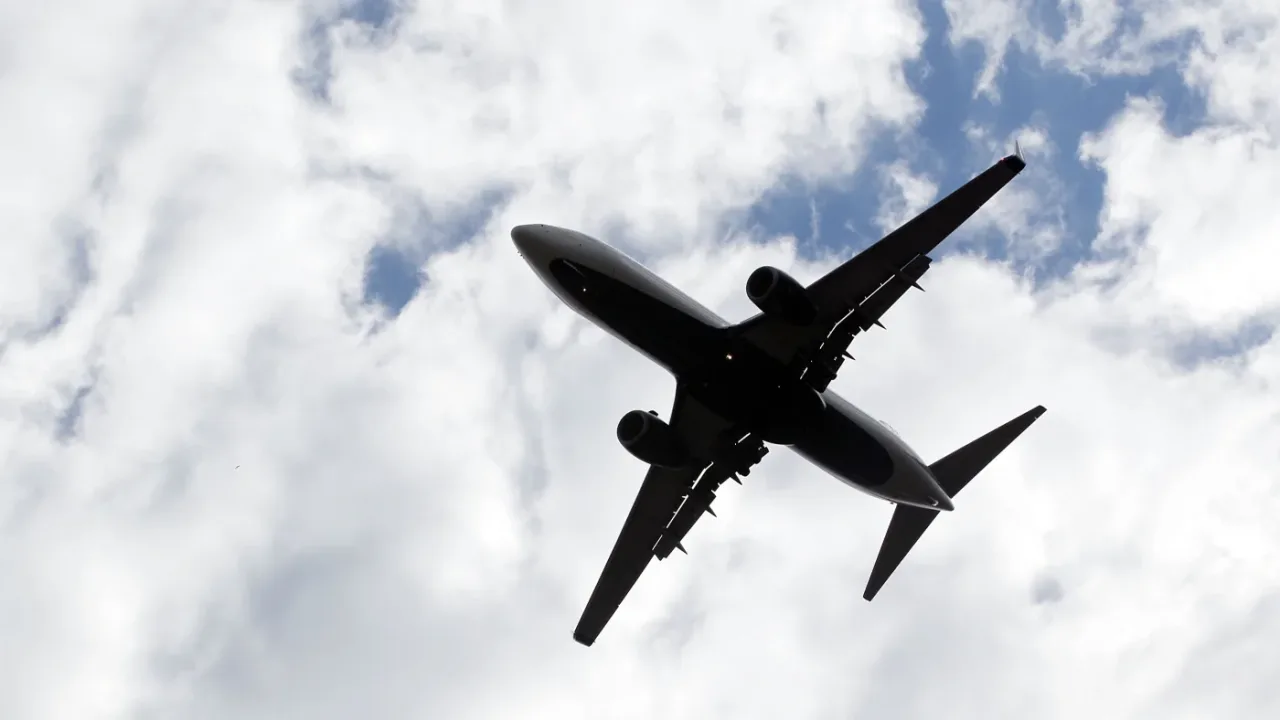
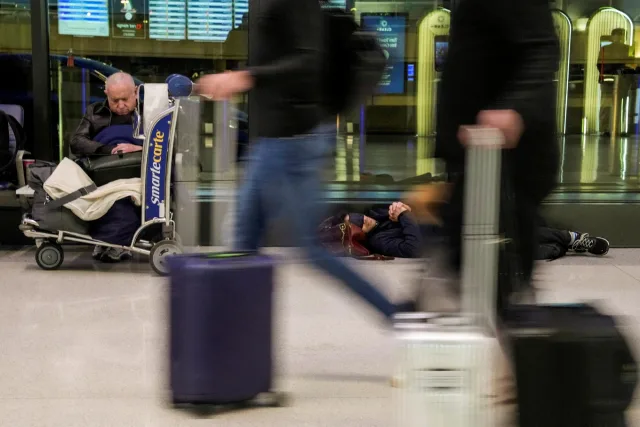
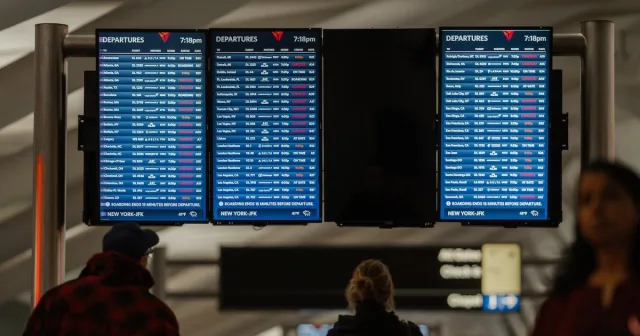
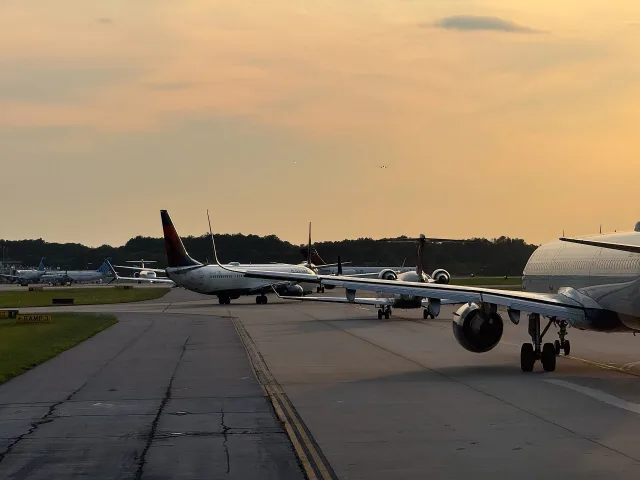
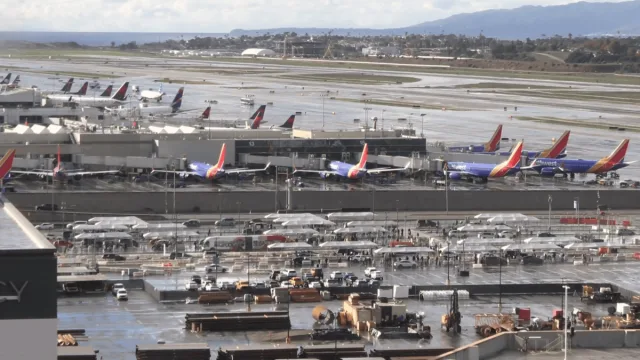
Travelers across the United States faced sudden cancellations and hours of delays on Friday, November 13, 2026, after the Federal Aviation Administration ordered a nationwide ground stop halting all departing flights. The order took effect at 20:54 UTC (15:54 EST), after a communication issue impacted all Air Route Traffic Control Centers. Aviation authorities reported that nearly 7,000 flights were affected as airports from Atlanta and Washington to Los Angeles, Chicago, and Philadelphia ground to a halt. Passengers scheduled to depart from hubs including Decatur, Springfield, Champaign, and Bloomington found their flights put on hold, while aircraft already airborne were allowed to continue to their destinations.
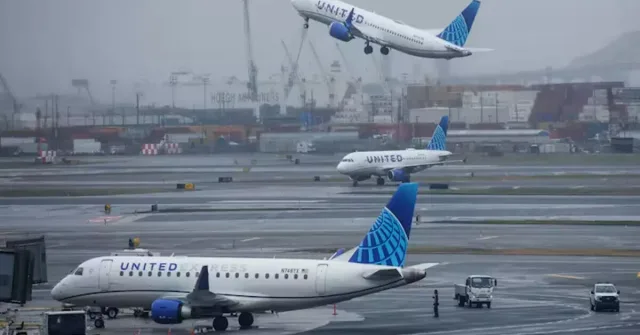
The FAA issued Advisory 111, titled "National Ground Stop," citing "extraordinary circumstances" and "reasons of safety." The directive ordered operators to keep all departing traffic on the ground until further notice, though inbound international flights were evaluated on a case-by-case basis. Major carriers such as United Airlines confirmed that their airborne flights would continue while new domestic departures waited for the order to lift, and passengers at multiple airports were forced to deplane as airlines warned that the disruption would likely spill over into Saturday due to crews and aircraft sitting out of position.
Federal Officials Urge Calm While Investigators Probe Outage
U.S. Transportation Secretary Sean Duffy confirmed that a communication issue was impacting all Air Route Traffic Control Centers, which direct planes at cruising altitudes generally above 18,000 feet. FAA technicians are investigating the issue. We will provide immediate updates as we have them,
Duffy said on X. Officials at the White House moved quickly to reassure the public that the emergency was purely a telecommunications outage. U.S. Homeland Security Secretary Markwayne Mullin addressed reporters outside the White House to dampen comparisons to past national emergencies. This is a telecommunications outage; this is much different,
Mullin said. Mullin added that he had no reason to connect the issues to the ongoing Microsoft outage. Law enforcement sources speaking to CBS News indicated that the Transportation Security Administration was investigating the root cause.
Outdated Infrastructure Takes Center Stage
Aviation experts pointed to aging infrastructure as a potential vulnerability. Former United Airlines pilot and aviation expert Steve Arroyo explained that the failure appeared similar to a regional air traffic control communication outage in September that snarled hundreds of flights across the Northeast, except this time on a nationwide scale. If you don’t have that ability, whether it’s because the old wires that they have are just run down or for whatever reason, you’ve got to stop airplanes on the ground, and not put them in the air where you’re going to risk not being able to communicate with them,
Arroyo said. He noted it could be linked to the outdated technology used by air traffic controllers.
Rare Stoppage Echoes Past Disruptions and Strains Passengers
Nationwide ground stops of this magnitude are exceptionally rare, marking only the second time all departures have been grounded since the terrorist attacks of September 11, 2001. The previous nationwide stoppage occurred on January 11, 2023, when the FAA’s NOTAM system failed, causing more than 10,000 delays and over 1,300 cancellations. Friday's crisis carried immediate operational fallout for passengers trapped on airport tarmacs or waiting inside terminal buildings. Travelers on an American Airlines flight from Wichita to Chicago sat on the runway for about an hour before the captain announced that the air traffic problem was nationwide and ordered the plane to return to the gate. Canadian aviation authority NAV Canada announced it was closely monitoring the U.S. grounding while its own domestic systems continued to operate normally, though Vancouver's YVR Airport stopped accepting flights affected by the FAA order. Passengers affected by the delays were encouraged to check directly with their airlines for rebooking options.