Air campaign against Houthis under way in Yemen, says Saudi-led coalition
A Saudi-led air campaign aims to reclaim strategic Yemeni territory from Houthi rebels, while the rebels make gains near Taiz and displace 184,000 people.
- Headline: Air campaign against Houthis under way in Yemen, says Saudi-led coalition
- Dispatch Summary: A Saudi-led air campaign aims to reclaim strategic Yemeni territory from Houthi rebels, while the rebels make gains near Taiz and displace 184,000 people.
- Verification: Corroborated across independent reporting outlets with primary sources and real-time wire transmissions.
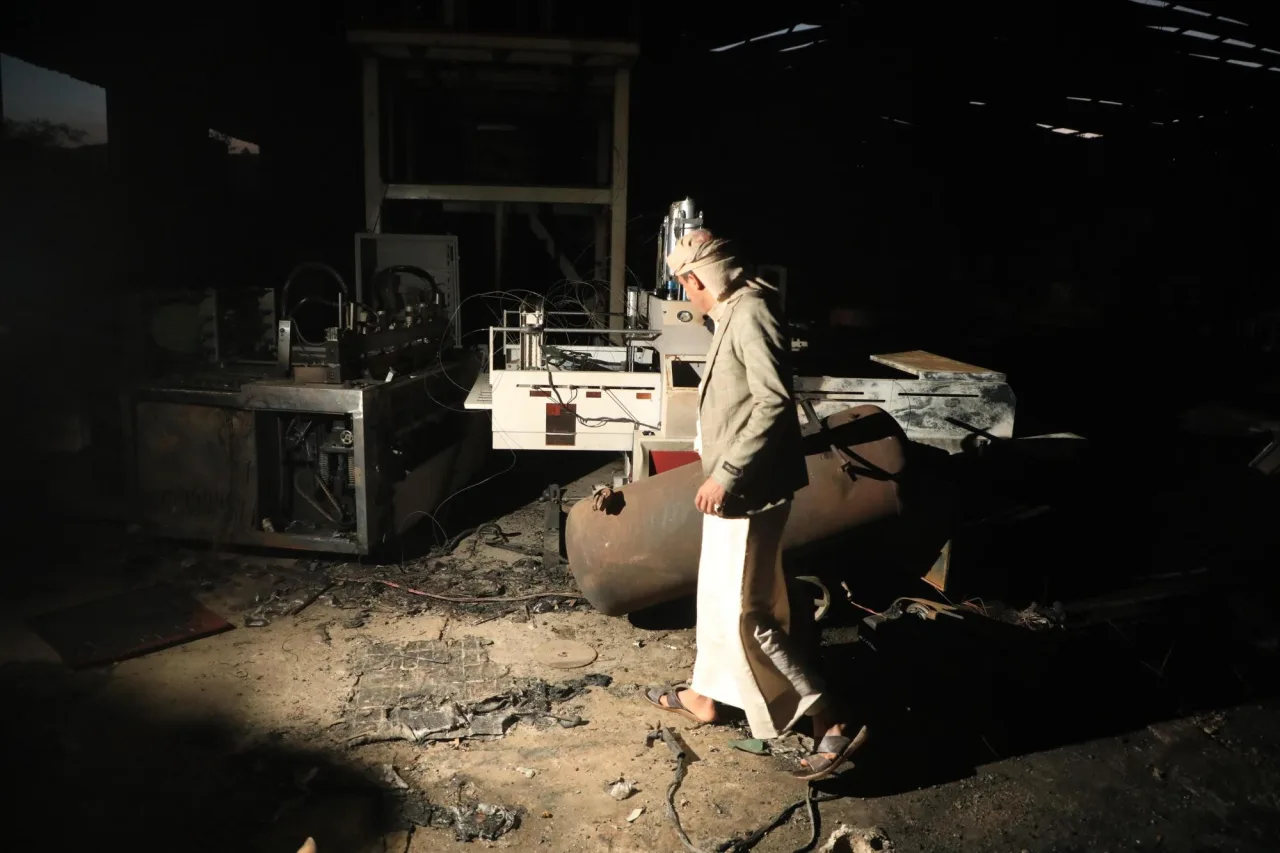
The Saudi-led coalition has launched a large-scale air campaign against Iran-backed Houthi rebels in Yemen, claiming to secure strategic areas along the Red Sea and disrupt the rebels’ advances. The operation, involving 100 fighter jets, is part of a broader effort to reclaim territory and restore government control, according to coalition officials. However, the Houthis have countered with their own military gains, including the capture of key towns that threaten to isolate Yemeni government forces in Taiz.
Saudi-led coalition claims military gains in Red Sea region
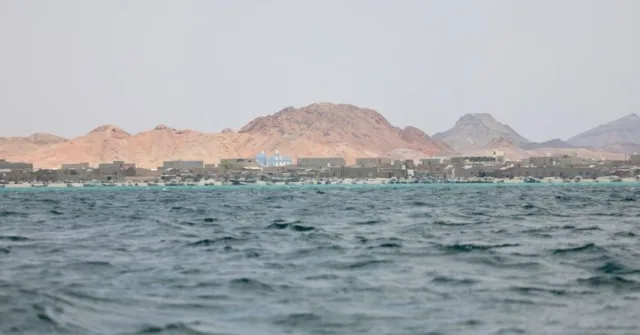
The Saudi-led coalition announced on Monday that its air campaign has secured “air protection” of the Bab el-Mandeb Strait, a critical maritime chokepoint through which 12% of global trade passes. Maj. Gen. Turki al-Malki, the coalition’s spokesman, stated that hundreds of Houthi targets have been destroyed, including positions in the Dhubab district near the strait. Government forces, backed by Saudi air strikes, reportedly advanced to the outskirts of Mocha, a city the Houthis had seized in September. The Yemeni Defence Ministry claimed the city had fallen, though the Houthis denied the assertion.
The campaign coincides with the Yemeni government’s “Yemen Dawn” offensive, aimed at reclaiming territories held by the Houthis and restoring state institutions. Rashad al-Alimi, head of the Yemeni government’s Presidential Leadership Council, vowed to “liberate” Sanaa, the rebel-controlled capital, and end what he called the “Houthi terrorist militia coup.” The operation has also seen ground advances by the Giants Brigades, a government-allied group, which claimed to have cut the road between Mocha and Dhubab, forcing Houthi fighters to retreat.
Houthi advances threaten government positions in Taiz
Despite the coalition’s claims, the Houthis have made significant territorial gains in the southwest, particularly near Taiz. The rebels captured the town of Turbah in late September, controlling a key road linking Taiz to the port city of Aden. This move has constrained Yemeni government forces’ ability to reinforce and resupply front-line positions, according to the Institute for the Study of War. The Houthis also reportedly advanced into the al-Mawasit district of Taiz, reaching the home of al-Alimi, though government sources disputed the claim.
The situation in Taiz has worsened as Houthi forces encircle the city, which has been a frontline for years. The rebels damaged a culvert on the Taiz-Aden road, making it impassable, and threatened to attack Saudi airspace. The United Nations reported that the conflict has displaced 184,000 people in Yemen since renewed fighting began, with over 3,000 fleeing to Djibouti. Health facilities in Taiz province have also been severely impacted, with many closed or operating at reduced capacity.
| Detail | Information |
|---|---|
| Number of fighter jets involved | 100 |
| Control of Bab el-Mandeb Strait | Claimed by Saudi-led coalition; Houthis deny loss |
| Displaced people in Yemen | 184,000 |
| Confirmed casualties | At least 959 dead, 4,200 wounded |
International involvement and regional tensions
The U.S. has provided intelligence and targeting support to the Saudi-led coalition, according to regional and U.S. officials, though the extent of collaboration remains unclear. Secretary of State Marco Rubio stated that the Yemeni government has a right to defend itself against Houthi advances. Meanwhile, the U.K. confirmed that British fighter jets are supporting Saudi operations with refueling, a claim the Houthis have used to justify their attacks on Saudi infrastructure.
Regional alliances are also shaping the conflict. The Saudi-backed Yemeni government has coordinated with the Giants Brigades, a group linked to the Southern Transitional Council, which had previously clashed with Saudi forces. The UAE, which withdrew from Yemen in 2021, has not returned but has reportedly engaged in diplomatic talks with Saudi Arabia. A joint defense pact between Saudi Arabia, Pakistan, and Turkey was announced to address regional security concerns, though its operational details remain unspecified.
Houthis warn of continued resistance
The Houthis have rejected the coalition’s claims of progress, accusing Saudi forces of targeting civilian areas. They also highlighted their ability to strike Saudi infrastructure, citing an explosion at a Saudi Aramco plant in Riyadh as evidence of their reach. The group has vowed to continue its campaign, warning that Saudi airspace “will not be safe” if “aggression continues.”
The conflict’s resurgence has reignited fears of a prolonged humanitarian crisis. With the Bab el-Mandeb Strait now a focal point, global energy markets remain vulnerable. The Houthis’ control of the strait’s Yemeni side in September had already raised concerns about disruptions to trade, and their recent advances have intensified these worries.
Frequently Asked Questions
What are the key objectives of the Saudi-led coalition’s air campaign?
The coalition claims the campaign aims to reclaim territories held by the Houthis, secure the Bab el-Mandeb Strait, and protect Saudi Arabia from missile and drone attacks. The Yemeni government also seeks to restore state institutions and end what it calls the “Houthi terrorist militia coup.”
How has the conflict impacted civilians in Yemen?
The war has displaced 184,000 people since renewed fighting began, with over 3,000 fleeing to Djibouti. Health facilities in Taiz province are largely non-operational, and fuel shortages have worsened conditions in besieged areas. The World Health Organization reports at least 959 deaths and 4,200 injuries since the conflict escalated.
What role is the U.S. playing in the conflict?
The U.S. has provided intelligence and targeting support to the Saudi-led coalition, though direct military involvement is limited. Secretary of State Marco Rubio emphasized that the Yemeni government has a right to self-defense, while U.S. officials confirmed intelligence-sharing with Saudi Arabia.
The next critical development will likely hinge on whether the Saudi-led coalition can sustain its gains in the Bab el-Mandeb region and whether the Houthis can maintain their advances in Taiz. With both sides vying for control of strategic areas, the conflict’s trajectory remains uncertain, and the humanitarian toll is expected to rise unless diplomatic efforts gain momentum.
How significant is this wire dispatch?
Cast your anonymous vote to register reader consensus across journalism and intelligence sectors.
Dateline Wire is dedicated to independent, evidence-backed reporting. This briefing was synthesized from primary source reporting, corroborated across independent newsrooms, and verified against our Editorial Standards.