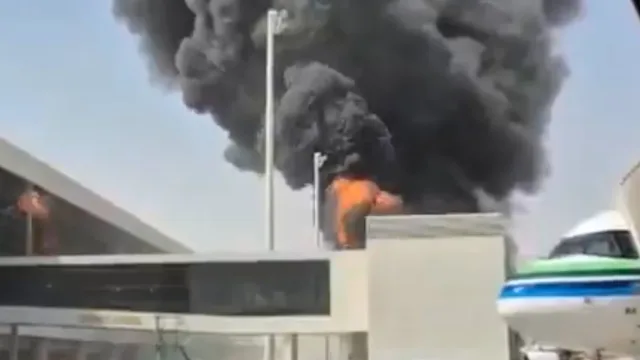
Saudi Arabia strikes oil depots in Yemen as conflict with Houthis escalates
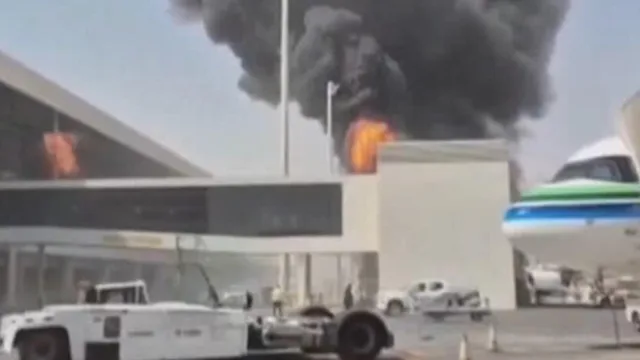
Saudi-led coalition airstrikes targeted fuel depots in Sanaa following a Houthi ballistic missile attack on an airport in Riyadh that killed 13 people.
- Headline: Saudi Arabia strikes oil depots in Yemen as conflict with Houthis escalates
- Dispatch Summary: Saudi-led coalition airstrikes targeted fuel depots in Sanaa following a Houthi ballistic missile attack on an airport in Riyadh that killed 13 people.
- Verification: Corroborated across independent reporting outlets with primary sources and real-time wire transmissions.
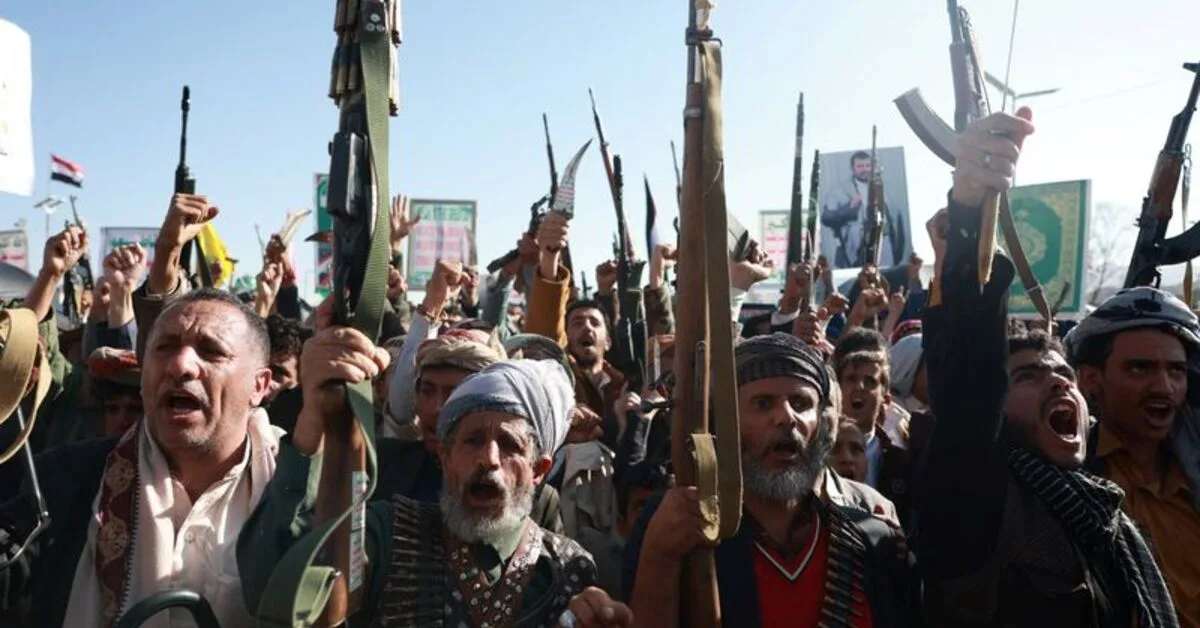
For ordinary residents in the Yemeni capital of Sanaa, Tuesday brought a sudden rush to petrol stations as military warnings echoed across the city, followed by explosions at the edge of the urban perimeter. The strikes came after a Saudi-led coalition warned civilians to stay away from the Yemen Petroleum Company’s Sabah central station, a fuel depot on the outskirts of Sanaa, before launching an operation aimed at neutralizing Houthi military capabilities. Houthi-run Al-Masirah television reported that the facility was targeted, while the Saudi coalition stated it carried out the attack because the Iran-aligned group was using sites in Sanaa, Hodeidah, and Dhamar to supply missiles and drones for attacks on Saudi Arabia and Red Sea commercial vessels. The conflict marks a sharp escalation in a reignited civil war that has spilled over from the wider regional war involving the United States, Israel, and Iran.
The immediate catalyst for Tuesday's bombing was a devastating Houthi ballistic missile strike on King Khalid International Airport in Riyadh on Saturday. According to Saudi authorities, that attack killed 13 people, injured more than 300, and grounded flights across the kingdom. Among the dead in the weekend attacks were an Indian national traveling with his family for Umrah, an Egyptian flight attendant, and a Saudi pilot. In response, the Saudi cabinet, chaired by de facto ruler Crown Prince Mohammed bin Salman, issued a statement declaring that the Houthis would bear the consequences of their repeated attacks.
Retaliation Threats and Maritime Chokepoints
The cycle of threats and counter-threats has brought energy infrastructure and global supply chains directly into the line of fire. Following the coalition's warnings, Houthi spokesperson Yahya Saree vowed a harsh and painful
response, warning oil workers and citizens to stay away from potential targets including the Saudi Aramco headquarters in Dhahran and an oil refinery in Riyadh. Later on Tuesday, the Saudi-led coalition reported it had intercepted a missile fired toward Dhahran, with witnesses hearing loud booms and fragments falling on a residential area. There was no official comment from Aramco. Meanwhile, the Yemen Petroleum Company sought to calm public panic in Sanaa by assuring residents that the targeted al-Sabaha facility contained no petroleum stocks and that supply chains remained secure.
The confrontation is rooted in a struggle for control over Yemen's Red Sea coast, which flared last month when the Houthis swept down toward the critical Bab el-Mandeb Strait. The strait, serving as the southern gateway to the Red Sea, has grown in global importance since the start of the US-Iran war in February, when Tehran closed the Hormuz Strait. While a Saudi-backed government offensive pushed rebel forces away from the area closest to the strait, the Houthis have pressed their advance around Taiz, drawing close enough to shell residential areas and triggering urgent appeals from city leaders for military equipment and medicine.
| Actor | Recent Action | Stated Rationale |
|---|---|---|
| Saudi-Led Coalition | Struck Sabah central station fuel depot in Sanaa; intercepted missiles near Dhahran and Riyadh | Neutralizing Houthi military capabilities and responding to airport attacks |
| Houthi Movement | Fired ballistic missiles at Riyadh airport; threatened Aramco headquarters and Riyadh refinery | Retaliating against Saudi military backing of government forces |
| United States | Rebuffed Saudi requests for direct military intervention against the Houthis | Maintaining broader strategic posture amid Bab el-Mandeb security challenges |
Diplomatic maneuvering has failed to stem the violence, even as regional actors position themselves for the next phase. Turkish President Tayyip Erdogan told Crown Prince Mohammed bin Salman on Tuesday that Ankara stands by the kingdom, following a mutual defense pact signed this summer. US President Donald Trump told reporters on Tuesday that the Houthis were behaving very badly,
adding that he might ask Erdogan to intervene in support of Saudi interests, though Washington has consistently rejected Saudi efforts to draw the US directly into the fight against the Houthis. At the same time, Iranian Foreign Minister Abbas Araqchi offered Tehran's services as a mediator between Saudi Arabia and the Houthis, a dual-track approach that analysts say allows Iran to project regional influence while distancing itself from proxy actions.
Baraa Shiban, a Yemen specialist at the defence thinktank Royal United Services Institute, warned that Saudi Arabia is struggling to respond to the Houthi's improved arms technology. That technical evolution, combined with the unyielding hostility between Riyadh and Sanaa, leaves open the central question of whether diplomatic mediation by external powers can halt an impending assault on regional energy assets before another wave of strikes hits.