Bulgaria Summons Russian Envoy After Black Sea Drone Attacks Sink Ships
Bulgarian officials summoned the Russian ambassador following drone attacks on two merchant vessels near the nation’s maritime borders. The incidents have raised regional concerns regarding shipping safety and the potential for increased maritime insecurity.
- Headline: Bulgaria Summons Russian Envoy After Black Sea Drone Attacks Sink Ships
- Dispatch Summary: Bulgarian officials summoned the Russian ambassador following drone attacks on two merchant vessels near the nation’s maritime borders. The incidents have raised regional concerns regarding shipping safety and the potential for increased maritime insecurity.
- Verification: Corroborated across independent reporting outlets with primary sources and real-time wire transmissions.

Bulgaria summoned Russia’s ambassador to Sofia, Eleonora Mitrofanova, on Tuesday following a series of drone strikes against merchant vessels in the Black Sea. The diplomatic move comes after two cargo ships were targeted in the early hours of the morning, resulting in one sinking and 11 sailors reported missing. The attacks, which occurred just outside Bulgaria’s 12-nautical-mile territorial water zone, have intensified pressure on the NATO member to secure its maritime borders as the conflict in Ukraine increasingly spills into critical commercial shipping lanes.
Prime Minister Rumen Radev, who convened an emergency security meeting, stated that while Bulgaria currently lacks definitive evidence to definitively identify the perpetrator, the circumstances favor Moscow. There’s no logic in Ukraine destroying its own ships, and the results of these strikes work to Russia’s advantage,
Radev’s office said in a statement. In response, Ambassador Mitrofanova informed the Prime Minister that she possessed no information from the Russian defense ministry regarding the incidents and suggested the possibility that the attacks could be a provocation from a third country,
according to an official statement from Radev’s office.
The Chelsea 3 and HS Dignity incidents
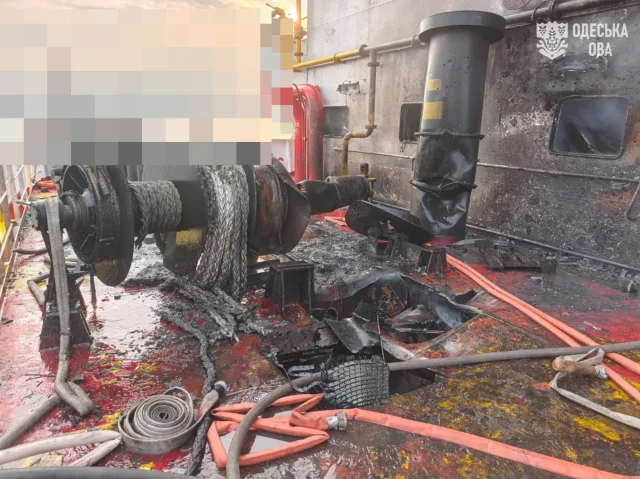
The strikes targeted two distinct vessels operating in the western Black Sea. The Chelsea 3, a Ukrainian-owned cargo ship sailing under the Maltese flag, was attacked by three aerial drones at approximately 01:30 a.m. local time on Tuesday. The ship was positioned 18 nautical miles off the Bulgarian coast near the town of Byala, traveling from the Turkish city of Giresun to the Moldovan river port of Giurgiulesti. While the Chelsea 3 remained afloat, three of its crew members were transported to a maritime hospital in Varna for treatment.
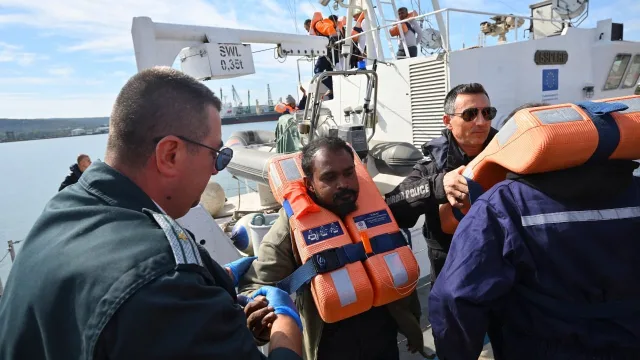
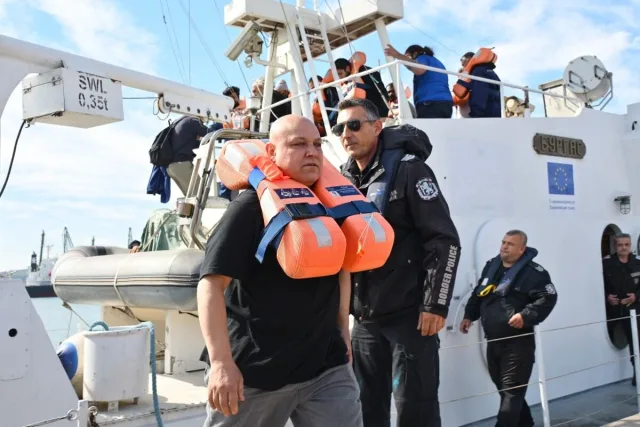
A second vessel, identified as the HS Dignity, sailing under the flag of Guinea-Bissau, was struck 17 nautical miles away from the village of Krapets. This vessel sank following the strike. Eleven crew members are missing, while five sailors have been rescued.
Is the Black Sea becoming a no-go zone?
These incidents follow a pattern of escalating maritime insecurity. Last week, two commercial ships were struck within Bulgaria’s exclusive economic zone. One of those, the Alfa Watan, sank within three minutes; all 10 crew members, including nine Syrians, are presumed dead. Another vessel, carrying corn, was struck in Romania’s economic zone during the same period. The cumulative effect of these strikes has prompted significant alarm regarding the safety of regional supply chains.
The immediate impacts of these security threats include:
- Increased financial risk and insurance costs for commercial carriers operating in the western Black Sea.
- Reported refusals by some transport providers to move cargo destined for Bulgarian ports.
- Pressure on grain export activity from both Romania and Bulgaria, as risk perceptions rise for traders new to the region.
- Heightened operational strain on regional navies tasked with monitoring and mine-sweeping programs.
Preslav Raykov, Global Trading Manager at Magic Flame Group, noted that while the market reaction has remained relatively stable, the intensity of these strikes creates a broader barrier to regional exports. Bulgaria, a significant net exporter of wheat, faces particular vulnerability if shipping lanes are compromised.
The NATO response and Article 5 calculations
Because the attacks occurred just outside the 12-nautical-mile territorial limit, the threshold for a formal collective-defense response remains a point of intense focus. Had the strikes occurred within the territorial limit, Article 5 of the North Atlantic Treaty—which defines an armed attack on one member as an attack on all—could have been triggered. For now, the Bulgarian government is seeking technical assistance from NATO and the European Union to investigate the origins of the drones and enhance surveillance capabilities.
NATO Secretary General Mark Rutte addressed the situation on X, stating, We have already strengthened our posture along the eastern flank and will continue to monitor the security environment, adjusting our deterrence and defense posture as needed.
Prime Minister Radev has raised the necessity of guaranteeing navigation safety with EU leaders in Brussels, while defense ministers from Bulgaria, Romania, and Turkey have held a series of phone consultations to discuss expanding current mine-sweeping efforts to protect underwater infrastructure.
Who benefits from the instability?
The escalation of military activity in the Black Sea has drawn sharp condemnation from international leaders. European Commission President Ursula von der Leyen stated on X that the Black Sea has emerged as a further front in Russia’s war in Ukraine, adding that those responsible must face accountability.
Russia has consistently rejected calls for a naval ceasefire in the region, arguing that it is targeting ships delivering weapons or dual-use cargo to Ukrainian ports. Moscow has cited recent attacks in the ports of Mykolaiv and Chornomorsk as justifications for its intensified operations. However, the Russian military has provided no official comment specifically regarding the strikes off the Bulgarian coast. The Russian embassy’s stance remains one of denial, with Ambassador Mitrofanova maintaining that Moscow has no information regarding the latest drone attacks, leaving the origin of the munitions an open and disputed question in the diplomatic discourse between Sofia and Moscow.