Netanyahu denies claim UAE warned him of October 7 Hamas attacks
Prime Minister Netanyahu has dismissed reports that the UAE warned him of a 'terrifying operation' by Hamas, as opposition leaders intensify demands for an independent probe.
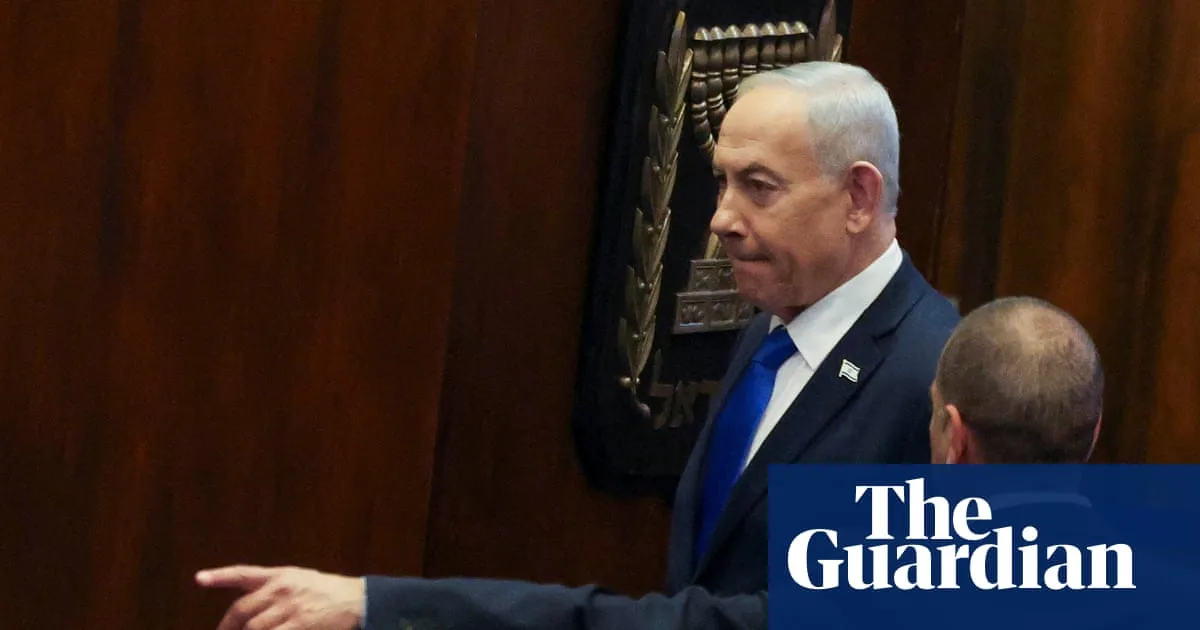
The Israeli government has denied allegations that the United Arab Emirates warned Prime Minister Benjamin Netanyahu of Hamas’ October 7, 2023 attack weeks in advance, as a new book by Haaretz reporters reignites scrutiny of security failures ahead of the assault. The claims, published in the left-leaning Israeli newspaper, have drawn sharp criticism from opposition leaders who accuse Netanyahu of negligence and demanded an independent inquiry into the events that led to the deadliest attack in Israeli history.
UAE Warned Netanyahu of Hamas’ “Terrifying Operation”
According to the Haaretz report, UAE President Mohamed bin Zayed Al Nahyan warned Netanyahu in a 45-minute phone call that Hamas leader Yahya Sinwar was planning a “terrifying operation” described as an “earthquake.” The UAE president reportedly expressed concern that the attack could destabilize the region and undermine the Abraham Accords, the 2020 normalization agreements between Israel and several Arab states. The warning was relayed through an Emirati advisor after Sinwar had shared his plans with a former Palestinian official, the report said.
Netanyahu’s office categorically denied the claim, calling it an “absolute lie” and asserting that the prime minister “received no warning from the UAE president during the period in question.” The statement emphasized that any relevant intelligence would have been shared through official channels, not direct communication with foreign leaders. The UAE’s foreign ministry similarly declined to comment on the allegations, stating only that it maintains “open and direct lines of communication” with Israel but would not address “speculation regarding conversations between government leaders.”
Opposition Leaders Condemn Netanyahu’s Response
The allegations have intensified political pressure on Netanyahu, who faces re-election in October 2026. Opposition leaders, including former military commander Gadi Eisenkot and former prime ministers Naftali Bennett and Yair Golan, accused Netanyahu of ignoring warnings and failing to protect Israeli citizens. Eisenkot called the prime minister “unfit” for office, citing his “pathetic” excuses for not acting on the alleged warning. Bennett demanded Netanyahu’s immediate resignation, stating he “bears personal and direct responsibility” for the 1,221 Israeli deaths and 251 hostages taken during the attack.
The opposition has also criticized Netanyahu’s refusal to establish an independent commission of inquiry into the security lapses that allowed the attack to occur. Instead, the government has proposed a probe led by its own officials, a move the opposition rejects as biased. If elected, opposition parties have vowed to create a commission whose members would be appointed by the Supreme Court, a process they argue would ensure transparency.
Context of Israel’s Ties with the UAE
The UAE’s relationship with Israel, formalized under the Abraham Accords, has been a cornerstone of Netanyahu’s foreign policy. The prime minister has long emphasized the strategic value of the alliance, even as Israel’s military operations in Gaza have drawn international criticism. The UAE’s decision to normalize ties with Israel in 2020 was seen as a major diplomatic achievement, but the new allegations risk complicating this partnership. The UAE’s statement on the matter avoided direct confrontation, instead reaffirming its commitment to “communicating relevant intelligence when necessary.”
The Haaretz report also highlights Netanyahu’s broader strategy of maintaining a fragile status quo with Hamas, which receives funding through Qatar. The prime minister has historically prioritized weakening the Palestinian Authority over addressing Hamas’ threats, a policy critics argue contributed to the October 7 attack. The book claims Netanyahu downplayed the risk of a large-scale assault, telling the UAE president that an attack was more likely to come from the West Bank.
Unresolved Questions and Election Implications
The controversy has deepened divisions within Israel as the October 2026 election approaches. Netanyahu’s rivals have seized on the allegations to challenge his leadership, while his supporters defend his record on national security. The prime minister’s office has not provided evidence to corroborate its denial of the UAE warning, leaving the dispute unresolved. Meanwhile, the Gaza health ministry reports that Israel’s retaliatory offensive has killed 73,658 Palestinians, a figure the United Nations acknowledges as reliable.
The next critical development will be whether opposition parties can unify behind a candidate to challenge Netanyahu, or if the prime minister’s coalition will withstand the pressure. The fate of the proposed commission of inquiry remains uncertain, with Netanyahu’s government likely to resist any move that could expose its handling of the October 7 attack.
| Detail | Information |
|---|---|
| Attack date | October 7, 2023 |
| Alleged UAE warning period | Weeks before the attack |
| Israeli casualties | 1,221 killed, 251 hostages taken |
| Gaza casualties | 73,658 killed (Gaza health ministry) |
| Election date | October 27, 2026 |
Frequently Asked Questions
What did the UAE allegedly warn Netanyahu about?
The UAE president reportedly warned Netanyahu that Hamas leader Yahya Sinwar was planning a “terrifying operation” described as an “earthquake.” The warning was relayed after Sinwar had shared his plans with a former Palestinian official, according to the Haaretz report.
Did Netanyahu acknowledge receiving the warning?
No. Netanyahu’s office called the claim an “absolute lie” and stated he “received no warning from the UAE president during the period in question.” The prime minister’s office also denied he spoke to the Emirati leader, emphasizing that any intelligence would have been shared through official channels.
What is the political impact of the allegations?
The allegations have intensified pressure on Netanyahu as Israel prepares for October 2026 elections. Opposition leaders have accused him of negligence and called for an independent inquiry into security failures. Netanyahu’s government has rejected the proposal, instead advocating for a probe led by its own officials.
Dateline Wire is dedicated to independent, evidence-backed reporting. This briefing was synthesized from primary source reporting, corroborated across independent newsrooms, and verified against our Editorial Standards.