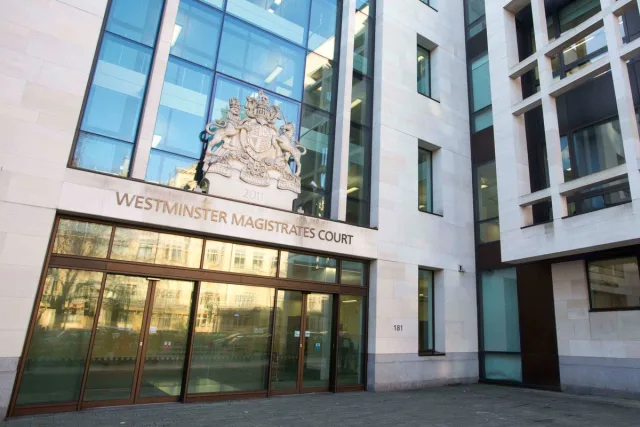
Supreme Court rules BCI lacks disciplinary authority over law students
The Supreme Court of India has clarified that the BCI lacks statutory authority to take disciplinary action against law students prior to their professional enrolment.
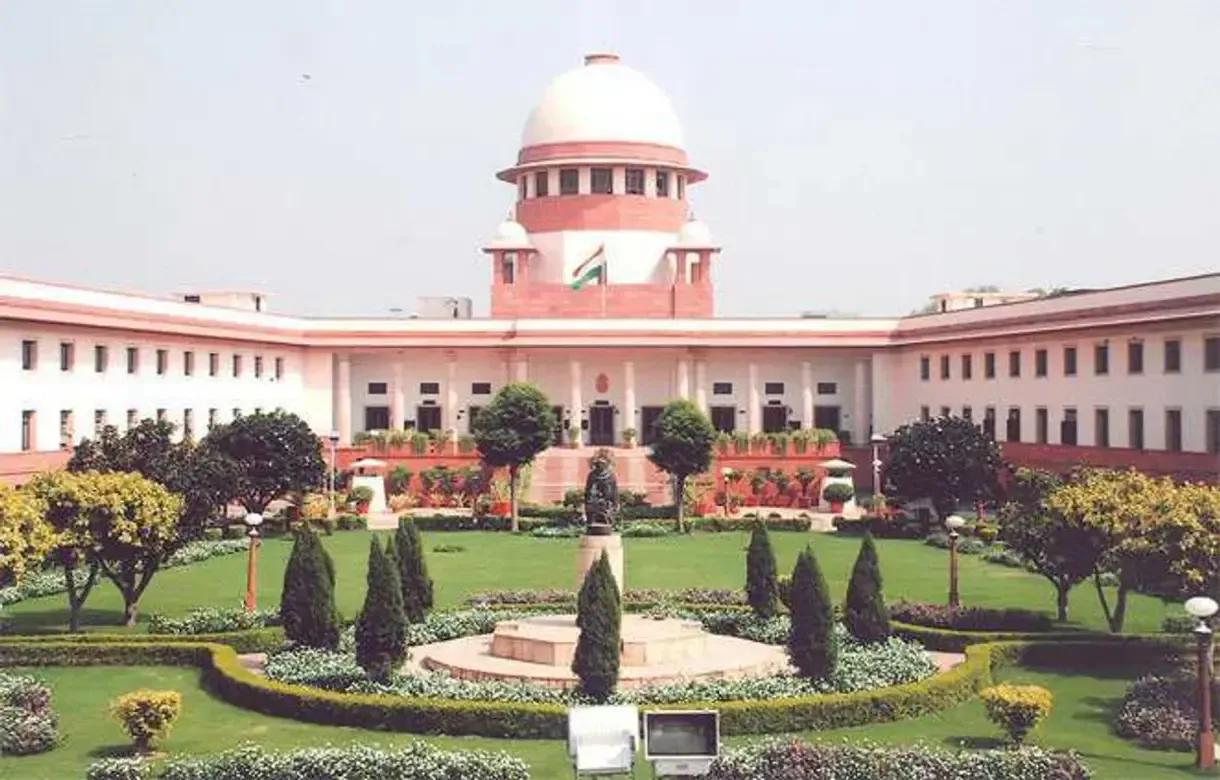
The Supreme Court of India on Thursday delivered a final ruling clarifying that the Bar Council of India (BCI) has no jurisdiction or statutory competence to take disciplinary action against students pursuing legal education before they enrol as advocates. The decision, which closes the proceedings in the case involving NALSAR University of Law graduates, reinforces the court’s earlier assertion that disciplinary control over law students rests exclusively with their educational institutions.
The court’s ruling emerged from a petition filed by NALSAR alumni Mihira Sood and Abhishek Tiwari, challenging the BCI’s August 13, 2026, communications that sought to bar the enrolment of the university’s 2026 graduating batch. The BCI had directed state bar councils to withhold enrolment of the students, alleging they had participated in a campaign against Chief Justice of India Surya Kant. The directive, later withdrawn following public backlash, was deemed legally untenable by the court.
A bench comprising Chief Justice Surya Kant, Justice Joymalya Bagchi, and Justice V. Mohana held that the Advocates Act, 1961, does not confer express or implied power on the BCI or state bar councils to discipline law students. “Disciplinary control over students rests exclusively with their parent educational institution or the authority prescribed under its regulations,” the court stated. This principle was applied to invalidate the BCI’s interventions, which it described as “without jurisdiction.”
The controversy originated after NALSAR students submitted a representation opposing the invitation of CJI Kant as chief guest for their convocation. The students cited remarks attributed to the chief justice during a hearing on police conduct during student protests, framing their objection as an exercise of constitutional rights. The BCI, however, framed the campaign as disrespectful to the judiciary, prompting its directive to freeze enrolment. The court, however, rejected this rationale, emphasizing that “peaceful questioning and protest remain integral features of a constitutional democracy.”
The BCI’s actions escalated when it issued a circular barring the entire 2026 NALSAR batch from enrolment as advocates over the campaign against the CJI’s presence at the convocation. It also raised allegations concerning the role of some academic staff in influencing the students. Within hours, the BCI issued another circular reversing the decision to halt the students’ enrolment but retained its decision to inquire into those allegedly responsible for initiating, organising, or mobilising the campaign. NALSAR Vice-Chancellor Prof Srikrishna Deva Rao stated the university would first examine whether such an inquiry was permissible under its governance regulations.
Following criticism of its actions, the BCI eventually closed the proceedings and informed NALSAR that no further action was required. The court’s latest decision formally settles the jurisdictional issue, reaffirming that the BCI cannot exercise disciplinary authority over law students before their enrolment as advocates. The bench reiterated its earlier direction restraining the BCI from taking punitive action against NALSAR, its students, or faculty, or any other national law university.
The ruling also addressed broader concerns about the BCI’s functioning. The court had previously criticized the regulator’s handling of the NALSAR dispute, describing its intervention as “without business.” The latest decision adds to a series of judicial interventions curbing the BCI’s influence, including a directive to involve the Attorney General in its policy decisions pending reconstitution through elections. The bench also questioned the tenure of BCI chairman Manan Kumar Mishra, noting his continued role appeared provisional.
For NALSAR, the ruling ensures that the 2026 graduates will not face disciplinary barriers to enrolment. It also sets a precedent for future disputes, clarifying that the BCI cannot unilaterally intervene in university matters. As the court emphasized, “The Advocates Act, 1961, does not permit the BCI to regulate students before they are enrolled as advocates.”
Dateline Wire is dedicated to independent, evidence-backed reporting. This briefing was synthesized from primary source reporting, corroborated across independent newsrooms, and verified against our Editorial Standards.