EU chief proposes making Canada the bloc's first associate member
European Commission President Ursula von der Leyen proposed making Canada the EU's first associate member to strengthen transatlantic ties amid trade tensions.
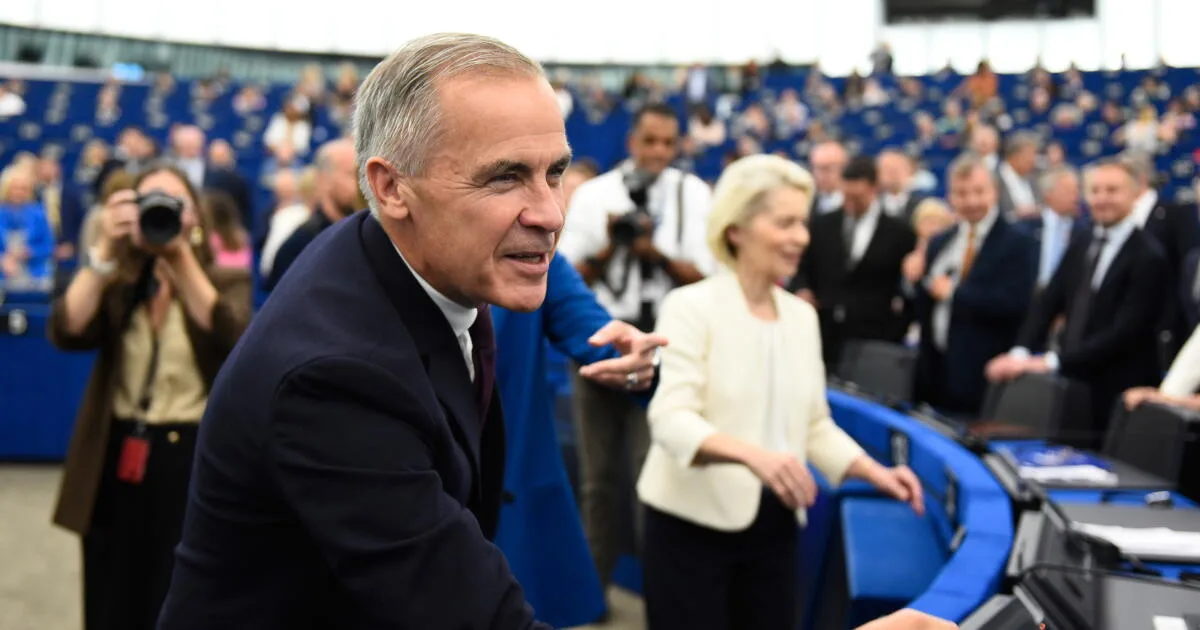
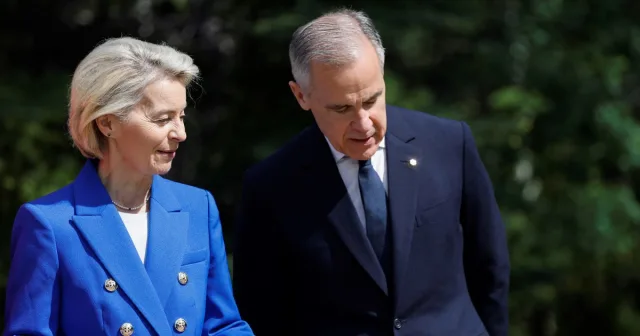
European Commission President Ursula von der Leyen on Wednesday proposed making Canada the European Union’s first associate member, a move aimed at deepening transatlantic ties amid escalating U.S.-Canada trade disputes and shifting global power dynamics. The proposal, unveiled during her annual State of the European Union address in Strasbourg, was met with a standing ovation and positioned as a strategic response to a "fractured international rules-based system."
Canada’s Push to Reduce U.S. Dependence
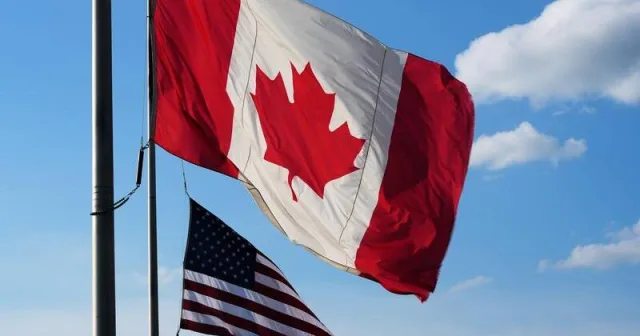
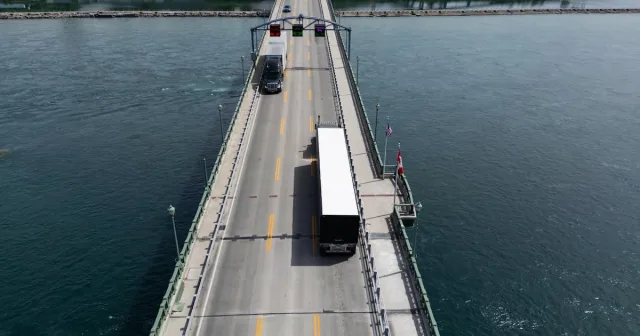
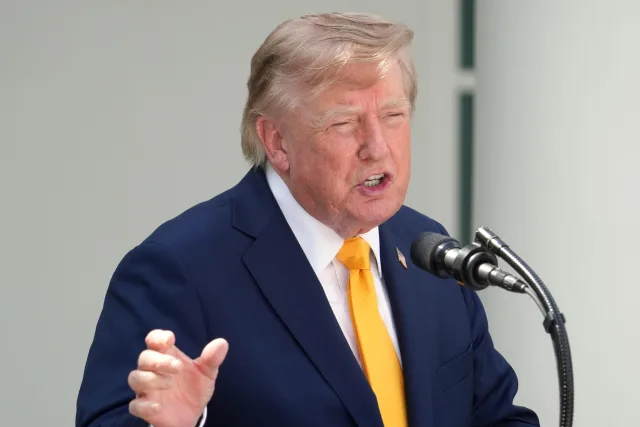
Canada’s pursuit of closer EU ties stems from its growing frustration with U.S. trade policies, particularly under President Donald Trump, who repeatedly threatened to make Canada the "51st state" and imposed tariffs on Canadian steel and aluminum. These measures have exacerbated tensions, with Canada’s Prime Minister Justin Trudeau seeking to diversify trade relationships. Over 70% of Canada’s exports currently go to the U.S., a dependency Trudeau has called a "geopolitical vulnerability."
Von der Leyen framed the proposed associate membership as a way to create a "common prosperity and economic security space" with Canada, emphasizing shared democratic values. "Above all, dear Justin, Europe and Canada believe in democracy," she said, addressing Trudeau, who was present at the speech. Trudeau, set to address the European Parliament the following day, welcomed the proposal, stating it aligned with Canada’s goal of "strengthening our sovereignty" through deeper EU collaboration.
Scope of the Proposed Partnership
The envisioned partnership would expand beyond the existing Canada-EU Free Trade Agreement (CETA) to include advanced manufacturing, technology, defense production, the Arctic, energy, critical minerals, artificial intelligence, quantum computing, and cybersecurity. Von der Leyen highlighted these sectors as areas where the EU and Canada could "build a common strength" without framing the relationship as adversarial.
Canada’s ambassador-designate to the EU, Jonathan Wilkinson, clarified that Ottawa is not seeking full membership, which would require ceding sovereignty. Instead, the goal is to "get as close as possible" to the EU while maintaining Canadian autonomy. This approach mirrors Canada’s recent participation in the EU’s $173-billion SAFE defense program, which grants Canadian companies access to joint procurement efforts.
| Key Areas of Cooperation | Description |
|---|---|
| Advanced Manufacturing | Joint initiatives to boost industrial capacity and supply chain resilience. |
| Technology | Collaboration on AI, quantum computing, and cybersecurity. |
| Defense | Integration of defense industrial bases and joint procurement. |
| Arctic | Joint projects to address environmental and strategic challenges in the region. |
| Energy and Critical Minerals | Cooperation on securing supply chains for batteries and rare earths. |
Challenges and Uncertainties
The concept of associate membership lacks a legal framework, with no precedent in EU history. Current EU membership requires unanimous approval from all 27 member states, a hurdle that could delay or derail the proposal. Some EU diplomats have expressed skepticism, with one noting, "Nobody really knows what it means," and concerns that von der Leyen’s plan "overpromises and won’t deliver."
Historically, the EU has been cautious about flexible alliances without formal membership. Germany’s 2026 proposal for Ukraine to gain associate status faced lukewarm support, and similar ideas for post-Brexit Britain never materialized. Canada’s refusal to open protected industries like dairy and telecommunications also poses challenges, as highlighted by University of Toronto professor Mark Manger.
Despite these obstacles, Tobias Cremer, a German MEP, argued that the EU must "stop sending each other love letters" and focus on "meat on the bone" in its relationship with Canada. He called for a "holistic strategic alliance" that goes beyond trade agreements, citing geopolitical imperatives such as countering China’s influence and securing critical supply chains.
Next Steps and Geopolitical Context
The Canada-EU summit in October will be critical for defining the partnership’s scope. Wilkinson emphasized that discussions will prioritize "the shape" of the relationship over terminology, with a potential announcement expected by then. However, the lack of a clear path to associate membership leaves room for uncertainty.
The proposal also reflects broader EU strategies to counter U.S. and Chinese influence. Von der Leyen’s speech coincided with her announcement of a proposed European Security Council, which would include Canada, Ukraine, and the UK to address regional threats. This aligns with Trudeau’s vision of "middle powers" collaborating to amplify their global leverage in an era of great-power rivalry.
As the EU and Canada move forward, the success of the initiative will depend on navigating domestic political hurdles, reconciling divergent interests among member states, and defining a model that balances sovereignty with strategic cooperation.
Frequently Asked Questions
What does "associate member" mean in this context?
The term has no established legal definition in EU law. It would likely involve a tailored partnership allowing Canada to participate in select EU programs and decision-making processes without full membership, though the exact framework remains undefined.
Why is Canada pursuing this now?
Canada seeks to reduce its economic reliance on the U.S., which accounts for 70% of its exports, amid trade tensions under President Donald Trump. The move also aligns with broader geopolitical goals to counter China’s influence and strengthen transatlantic alliances.
What are the next steps?
A Canada-EU summit in October will aim to clarify the partnership’s structure. However, EU member states must unanimously approve any formal arrangement, and no precedent exists for associate membership, creating significant uncertainty.
The coming months will test whether the EU and Canada can transform this ambitious proposal into a concrete framework, even as geopolitical pressures and internal divisions shape the path forward.
Dateline Wire is dedicated to independent, evidence-backed reporting. This briefing was synthesized from primary source reporting, corroborated across independent newsrooms, and verified against our Editorial Standards.