Canada invited to become first associate member of the European Union
Ursula von der Leyen has proposed making Canada the European Union's first associate member, marking an unprecedented shift in transatlantic relations driven by U.S. trade disputes.
EU Proposes Canada as First Associate Member, Unprecedented Step in Transatlantic Relations
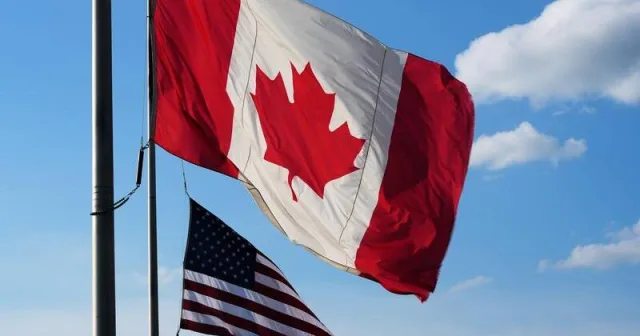
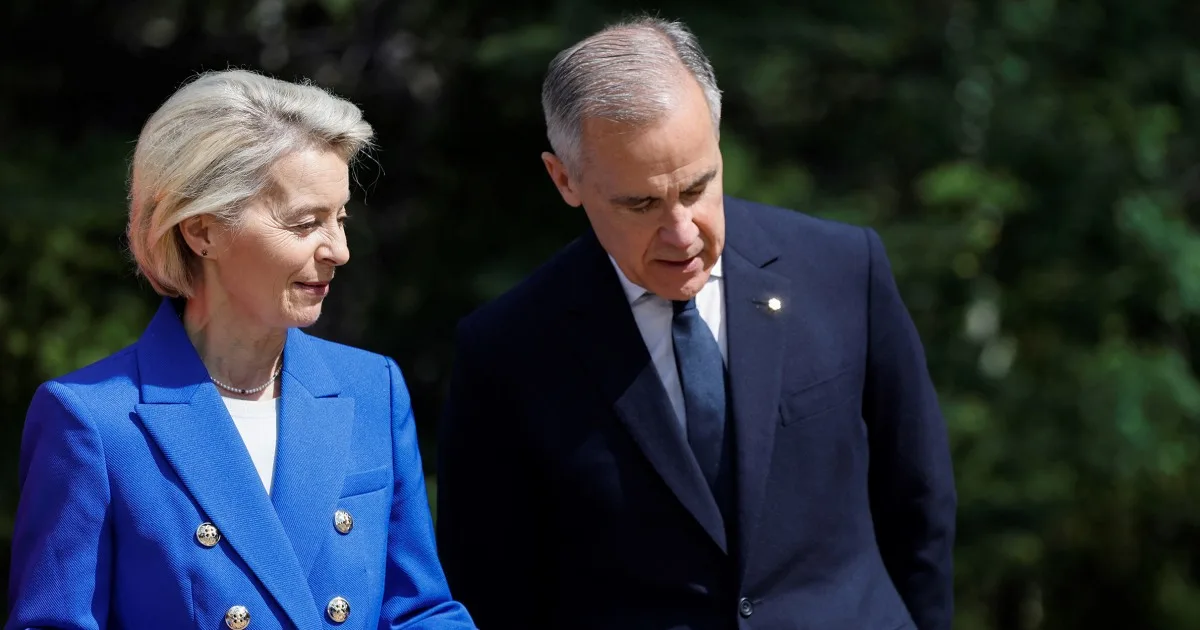
European Commission President Ursula von der Leyen announced on Wednesday that the European Union is opening the door for Canada to become its first associate member, a proposal that lacks a formal legal framework under EU treaties. The declaration, made during her annual State of the European Union address in Strasbourg, is a notable shift in EU foreign policy and signals a deepening of transatlantic alliances amid escalating U.S.-Canada trade conflicts. Von der Leyen’s remarks came as Canadian Prime Minister Mark Carney attended the speech, where he received a standing ovation from European lawmakers. The proposal seeks to expand the existing Canada-EU free trade agreement, CETA, into a broader “Alliance for the Future” covering advanced manufacturing, technology, defense production, the Arctic, energy, critical minerals, artificial intelligence, and cybersecurity. The commission president emphasized that the partnership would be rooted in shared democratic values, stating, “Above all, dear Mark, Europe and Canada believe in democracy.” The initiative aligns with Canada’s efforts to reduce its reliance on U.S. trade amid heightened tensions. Trump’s repeated threats to impose tariffs on Canadian goods and his rhetoric about making Canada the “51st state” have prompted Ottawa to seek closer ties with Europe. Carney, who has previously rejected formal EU membership, described the proposed arrangement as a “unique security and economic alliance” with the bloc.| Detail | Information |
|---|---|
| Proposed Membership Status | First associate member of the EU, with no existing legal framework under EU treaties |
| Key Areas of Cooperation | Advanced manufacturing, technology, defense, Arctic, energy, critical minerals, AI, quantum computing, cybersecurity |
| Existing Trade Agreement | Canada-EU Comprehensive Economic and Trade Agreement (CETA) |
| EU’s Strategic Goals | Strengthening democratic partnerships, countering U.S. and Chinese economic influence, addressing hybrid security threats |
Context of U.S.-Canada Trade Tensions and EU’s Strategic Calculus
The proposal emerges against a backdrop of intensifying U.S.-Canada trade disputes, with Trump’s administration imposing tariffs on Canadian steel and aluminum and threatening further measures. Canada has vowed to match U.S. tariffs dollar for dollar, escalating the conflict. Von der Leyen’s overture for Canada reflects the EU’s broader strategy to diversify its economic partnerships and reduce dependence on both the U.S. and China. The EU has historically resisted flexible membership models, rejecting calls earlier in 2026 to consider associate status for Ukraine. However, von der Leyen framed the Canada initiative as a “strategic choice” to address global “fractures” in the rules-based international system. She highlighted shared priorities with Canada on issues ranging from climate change to Arctic security, noting that the two entities “see the world with the same eyes.” The move also aligns with the EU’s growing focus on security. Von der Leyen warned of “hybrid attacks” by Russian operatives on European soil, including cyberattacks and sabotage, and proposed a new “European Security Council” to coordinate responses. Canada’s participation in NATO and its role in Ukraine’s defense efforts further bolster its case for closer integration with the bloc.Challenges and Unanswered Questions
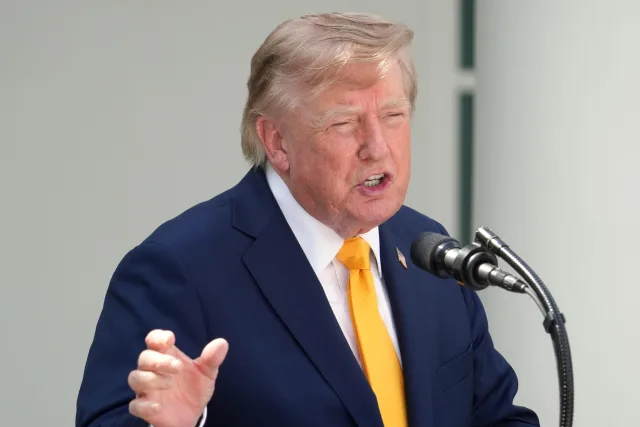
Despite the symbolic significance of the proposal, several hurdles remain. The EU has no formal mechanism for associate membership, meaning the arrangement would require unanimous approval from all 27 member states. Some nations may resist granting Canada preferential treatment, particularly if it undermines existing trade agreements or creates divisions within the bloc. Additionally, the lack of clarity on the scope and obligations of associate membership leaves many questions unanswered. U.S. reactions are also uncertain. Trump, who has criticized the EU’s trade policies, is likely to view the partnership as a challenge to American influence. The U.S. has previously opposed efforts by European allies to deepen ties with non-NATO countries, and the Canada-EU initiative could exacerbate transatlantic friction. Analysts suggest the move reflects a broader EU strategy to “re-arm” economically by forging alliances with like-minded democracies, but the long-term viability of the proposal remains unclear.Implications for EU Strategy and Global Alliances
The Canada proposal underscores the EU’s evolving approach to global partnerships. By prioritizing “common prosperity” and democratic values, von der Leyen aims to position the bloc as a counterweight to U.S. and Chinese economic dominance. The initiative also highlights the EU’s growing emphasis on security cooperation, particularly in the face of Russian aggression and hybrid threats. However, the lack of a defined pathway for associate membership raises concerns about feasibility. As one analyst noted, “This is a big step, but it’s not a done deal. The EU needs to navigate internal divisions and external pressures to make this work.” The coming weeks will test whether the bloc can reconcile its strategic ambitions with the practical realities of multilateral diplomacy.Frequently Asked Questions
What does “associate member” mean in the context of the EU?
The EU has no formal legal framework for associate membership. The term would likely refer to a new, ad hoc arrangement that expands Canada’s current trade and security ties with the bloc, but its exact scope and obligations remain undefined.
Why is the EU pursuing this with Canada now?
The move is driven by U.S.-Canada trade tensions, including Trump’s tariffs and rhetoric, as well as the EU’s desire to diversify its economic partnerships. It also aligns with broader efforts to strengthen transatlantic security and counter Russian hybrid threats.
What are the potential obstacles?
The proposal requires unanimous approval from all 27 EU member states, which could face pushback over preferential treatment for Canada. The U.S. may also react negatively, and the lack of a clear legal framework complicates implementation.
Dateline Wire is dedicated to independent, evidence-backed reporting. This briefing was synthesized from primary source reporting, corroborated across independent newsrooms, and verified against our Editorial Standards.