Alberta votes to remain part of Canada
Alberta voters have rejected a proposal to initiate the process of separating from Canada, with approximately 77 percent favoring a continued union.
- Headline: Alberta votes to remain part of Canada
- Dispatch Summary: Alberta voters have rejected a proposal to initiate the process of separating from Canada, with approximately 77 percent favoring a continued union.
- Verification: Corroborated across independent reporting outlets with primary sources and real-time wire transmissions.
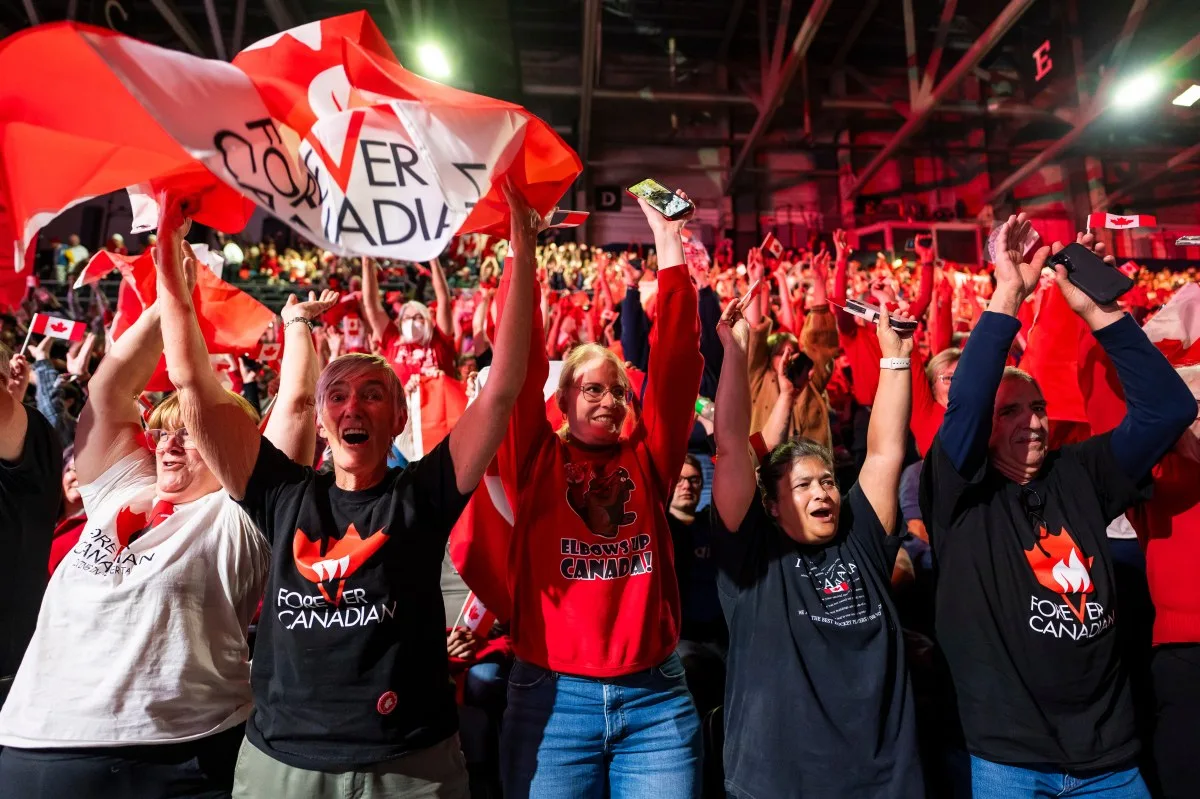
Alberta voters have definitively rejected a proposal to initiate the process of separating from Canada, with approximately 77 percent of counted ballots favoring a continued union with the country. The result, confirmed by Elections Alberta as of Tuesday morning, offers a significant political victory for Prime Minister Mark Carney. In a high-stakes climate defined by an ongoing trade war with the United States and threats of annexation from President Donald Trump, the vote serves as a cooling mechanism for the most vocal secessionist movement in the nation.
The referendum was not a direct vote on independence, but rather a choice between remaining part of Canada or proceeding to a binding referendum on secession. With over one million ballots tallied, the outcome suggests that while provincial discontent remains a potent political force, the desire for a formal break from the federation does not hold majority support among the electorate.
A Fragmented Political Landscape
The referendum was initiated by Alberta Premier Danielle Smith, a move that alienated segments of both the federalist and separatist camps. Smith, who ascended to the leadership of the United Conservative Party with the backing of activists who had ousted her predecessor, Jason Kenney, folded the secession question into a larger ballot that included nine other topics ranging from immigration to provincial service access. This structure drew sharp criticism from federalists who viewed the inclusion of a secession option as a reckless provocation and from separatists who were disappointed that she did not offer a cleaner "stay or leave" choice.
The campaign highlighted deep-seated regional tensions. Supporters of independence argued that Ottawa’s environmental policies — particularly those under former prime minister Justin Trudeau — were designed to dismantle the oil sands, effectively threatening the province's economic livelihood. Jeff Rath, a prominent separatist leader, maintained during the vote count that federal policies are continuing to destroy the economy of this province,
and signaled that the movement would now shift its focus toward challenging Smith’s leadership.
The Stakes of the Unity Vote
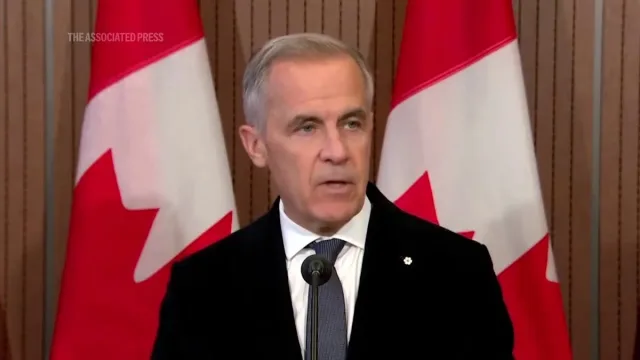
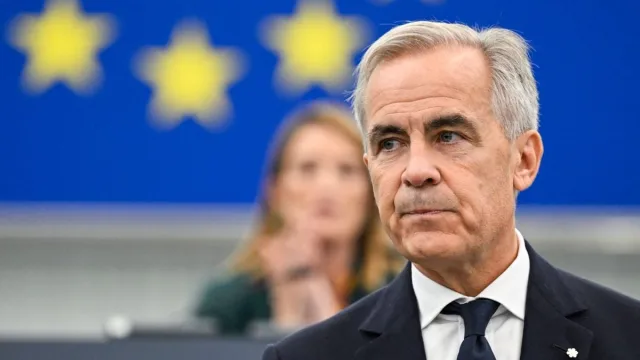
Prime Minister Mark Carney, who grew up in Edmonton, took an aggressive stance against the referendum. During a series of rallies in Calgary and Edmonton last week, he framed the ballot not as a legitimate grievance exercise, but as a perilous political gambit. He told audiences that voting to leave Canada would be a dangerous bluff.
The economic stakes were a central feature of the debate. Alberta possesses the world’s fourth-largest oil reserves, and business groups, alongside former premiers, warned that the financial consequences of leaving the Canadian federation would be severe. Economic studies commissioned by the provincial government showed the potential for immense fiscal instability in the event of independence. Indigenous groups also emerged as significant stakeholders, opposing the referendum on the grounds that separation from Canada would invalidate existing land treaties that predate the province’s entry into Confederation.
| Data Point | Reported Status / Figure |
|---|---|
| Support for remaining in Canada | Approx. 77% (unofficial results) |
| Support for beginning separation | Approx. 23% (unofficial results) |
| Estimated separatist belief in future movement | 62% of Albertans (via Angus Reid, Oct 16) |
| Voter turnout (early figures) | Approx. 1.3 million people |
The Outlook for Canadian Federalism
While the result provides immediate stability, it is unlikely to extinguish the regional frustration that fueled the vote. The separatist movement in Alberta has matured significantly in recent years, galvanized by anti-government sentiment that spiked during the COVID-19 pandemic. A poll released by Angus Reid on October 16 found that 62 percent of Albertans believe there will never be a permanent end to the separatist movement in the province, suggesting that while voters rejected this specific proposal, the underlying animosity toward Ottawa persists.
For Prime Minister Carney, the next phase involves navigating the fallout of the U.S.-led trade war and attempting to reconcile Alberta’s energy sector with the rest of the national economy. In a statement released Tuesday morning, he emphasized the need for unity, noting that Albertans and all Canadians will move forward together with renewed purpose and high ambition.
Tonight’s results on the defining question of separation mean that Albertans and all Canadians will move forward together with renewed purpose and high ambition.
Mark Carney, Prime Minister of Canada, via Newsweek
Premier Smith, who stated that she was very pleased
with the initial results, is scheduled to address the province live on Tuesday evening. Readers should watch for how she attempts to bridge the divide within her own party and whether her administration pivots toward conciliatory rhetoric or continues to leverage provincial grievances against the federal government to shore up her base. The final results for the remaining nine ballot questions, covering healthcare, social care, and education, remain to be processed by Elections Alberta, which may provide further insight into the specific policy areas where provincial frustration is most concentrated.