Canada and EU seek alliance to boost youth mobility and strategic tech
Canada and the European Union are pursuing closer ties through youth mobility programs and strategic technology partnerships, navigating geopolitical tensions with the United States.
- Headline: Canada and EU seek alliance to boost youth mobility and strategic tech
- Dispatch Summary: Canada and the European Union are pursuing closer ties through youth mobility programs and strategic technology partnerships, navigating geopolitical tensions with the United States.
- Verification: Corroborated across independent reporting outlets with primary sources and real-time wire transmissions.
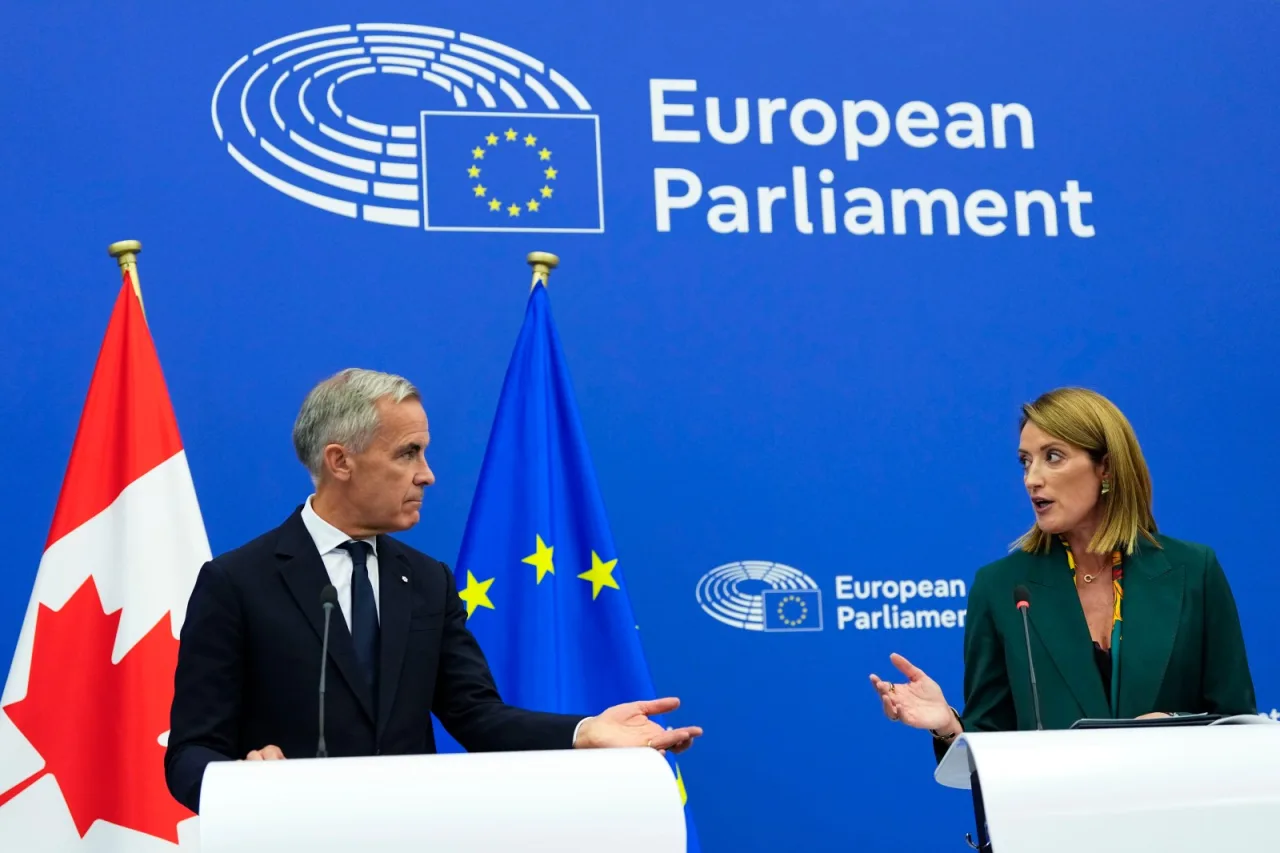
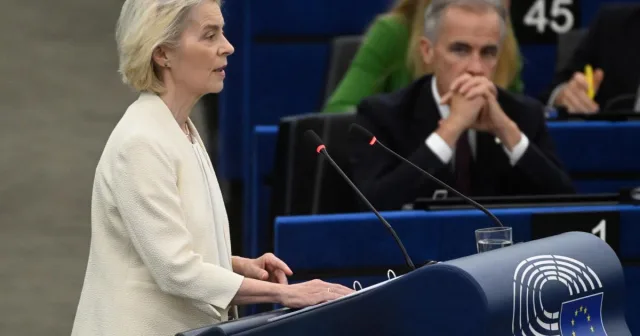
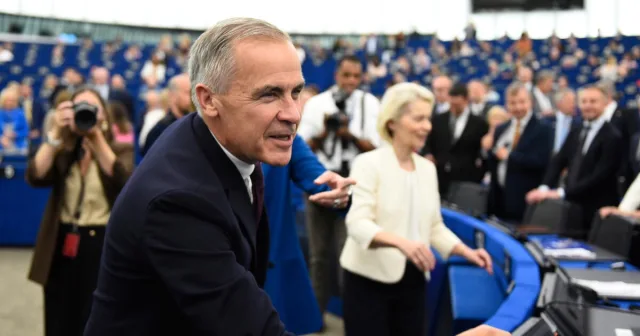
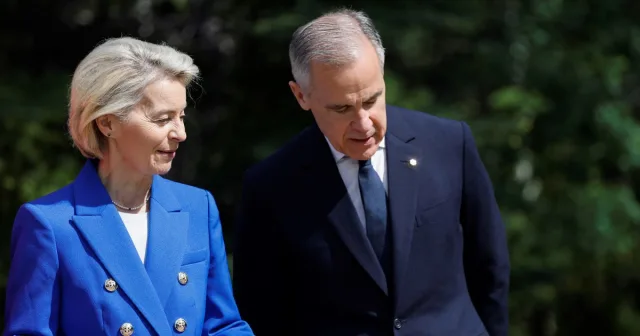
Canadian and European Union leaders are pursuing a new framework of cooperation centered on youth mobility, technological innovation, and strategic autonomy, even as questions linger about the depth of their partnership and the role of the United States in transatlantic dynamics.
Canada and EU target youth mobility and tech innovation
Canadian Prime Minister Mark Carney and EU officials have outlined plans to strengthen ties through programs that facilitate cross-border education and research, with a focus on youth mobility and strategic sectors like artificial intelligence, quantum technology, and cybersecurity. Carney highlighted the potential for Canada to join the EU’s Erasmus+ program, which would allow Canadian students to study in Europe for extended periods and access grants, though the financial contributions would come from Ottawa. Similar arrangements already exist for non-EU countries like Norway and Switzerland, which participate in EU programs while maintaining autonomy over domestic regulations.
The proposed alliance also aims to expand collaboration in research and development. Canada, currently part of the EU’s Horizon research partnership, could join a successor program called FP10, which would enable closer coordination on scientific projects. Industry Minister Mélanie Joly emphasized the need to ensure Canada remains integrated into European trade networks, particularly in steel and aluminum, amid ongoing negotiations over the EU’s free trade agreement with Canada.
Strategic autonomy and geopolitical positioning
Carney’s vision for the partnership includes “strategic autonomy,” a term he has used to describe Canada’s goal of securing access to critical technologies and infrastructure without depending on the goodwill of major powers. This aligns with broader EU efforts to reduce reliance on major powers for semiconductors, payment systems, and clean energy solutions. European Parliament President Roberta Metsola noted the partnership could extend to areas like the Arctic, defense, and critical raw materials, reflecting shared interests in securing supply chains.
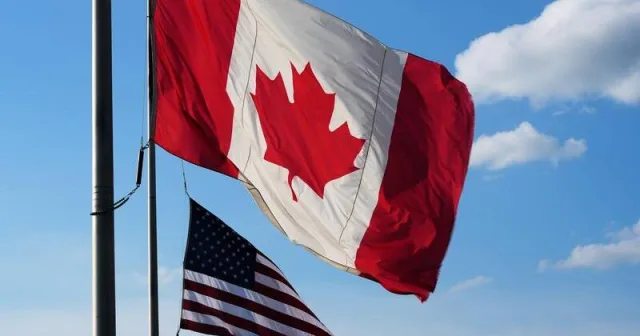
The concept of strategic autonomy has drawn scrutiny, particularly from the U.S., which has long viewed Canada as a key ally. President Donald Trump has threatened trade measures against the EU if it formalizes Canada’s status as an “associate member,” a designation proposed by EU Commission President Ursula von der Leyen. While Carney has avoided endorsing the term, he has signaled openness to deeper integration, stating that Canadians would not allow external powers to dictate their international agreements.
Existing frameworks and Norway’s model
Canada and the EU already maintain a complex web of agreements, including a free trade deal that remains unratified by 10 of 27 member states. They also have a strategic partnership agreement, a scientific research pact, and a defense-industrial arrangement. The proposed new framework seeks to consolidate these relationships, drawing on models like Norway’s, which enjoys EU market access and participation in programs like Erasmus+ while retaining control over domestic regulations.
EU Ambassador to Canada Geneviève Tuts described the initiative as an effort to “go further in the integration, on substance and on the way we are working together.” However, details remain sparse, with discussions focused on identifying shared priorities and structuring collaboration. Jonathan Wilkinson, Canada’s incoming EU ambassador, emphasized that any labor mobility programs would require provincial consultation, suggesting a cautious approach to expanding cross-border workforce ties.
U.S. concerns and transatlantic tensions
The U.S. has expressed unease over Canada’s evolving relationship with the EU, with Trump framing the potential “associate member” status as a threat to North American economic unity. The White House has warned that such moves could jeopardize U.S.-Canada trade, which remains a cornerstone of regional stability. Meanwhile, the U.K., which left the EU in 2020, has sought to maintain close ties through separate agreements on climate and defense, illustrating the challenges of balancing sovereignty with transatlantic cooperation.
Despite these tensions, Carney has continued his diplomatic outreach, including a recent visit to Liverpool where he attended a football match with UK Prime Minister Andy Burnham. His remarks to the European Parliament underscored Canada’s commitment to multilateralism, even as it navigates the shifting geopolitical landscape.
| Detail | Information |
|---|---|
| Erasmus+ participation | Potential expansion for Canadian students, with grants funded by Ottawa. |
| Horizon research program | Canada could join a successor to Horizon, enhancing collaboration on scientific projects. |
| Strategic autonomy focus | Goal to secure access to critical technologies and infrastructure without reliance on major powers. |
| EU-Canada free trade deal | 10 of 27 EU countries have not ratified the agreement, delaying full implementation. |
Frequently Asked Questions
What does "associate member" status mean for Canada?
While no formal definition has been provided, the term likely refers to a framework allowing Canada to participate in EU programs and initiatives without full membership, similar to Norway’s arrangement. This could include access to Erasmus+ and research partnerships, but without voting rights on EU regulations.
How does this alliance differ from EU membership?
The proposed partnership focuses on targeted cooperation in areas like education, technology, and trade, rather than adopting EU laws or participating in the single market. It would resemble existing arrangements with Norway and Switzerland, which enjoy economic benefits while maintaining domestic regulatory control.
The next critical step in the dialogue will be the EU’s decision on whether to formalize Canada’s status, a move that could reshape transatlantic dynamics. Meanwhile, Canada’s emphasis on strategic autonomy and youth mobility underscores its broader goal of positioning itself as a key player in global innovation and security networks, even as it navigates the complexities of its relationships with both the EU and the U.S.
How significant is this wire dispatch?
Cast your anonymous vote to register reader consensus across journalism and intelligence sectors.
Dateline Wire is dedicated to independent, evidence-backed reporting. This briefing was synthesized from primary source reporting, corroborated across independent newsrooms, and verified against our Editorial Standards.