Canada imposes retaliatory tariffs on $20 billion in US imports
Canada has announced mirror tariffs on $20 billion of U.S. goods following the collapse of trade negotiations. The measures target sectors from electronics to agriculture.
- Headline: Canada imposes retaliatory tariffs on $20 billion in US imports
- Dispatch Summary: Canada has announced mirror tariffs on $20 billion of U.S. goods following the collapse of trade negotiations. The measures target sectors from electronics to agriculture.
- Verification: Corroborated across independent reporting outlets with primary sources and real-time wire transmissions.
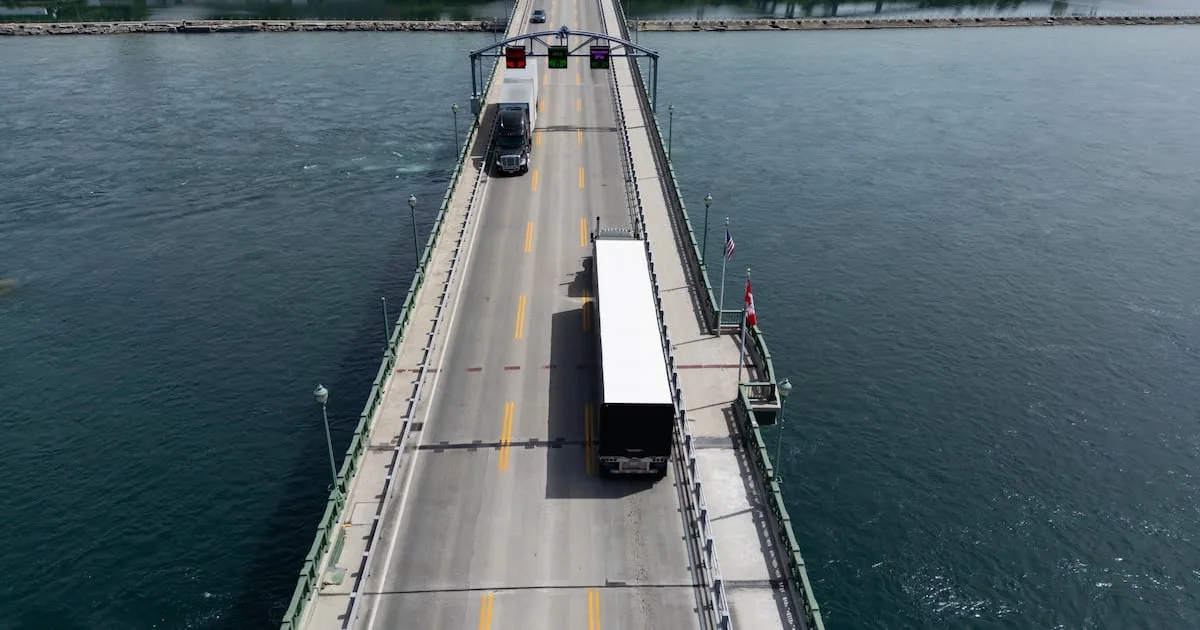
Canada has unveiled retaliatory tariffs on $20 billion in U.S. imports, marking a sharp escalation in the trade dispute between the two nations. The measures, announced by Finance Minister François-Philippe Champagne, include rates of 15%, 25%, and 50% on hundreds of goods, mirroring the tariffs the U.S. imposed on Canadian exports. The move comes after weeks of strained negotiations and a series of escalating duties that have deepened tensions between the North American neighbors.
The Canadian tariffs, set to take effect on September 8, target a wide range of products, including steel, dairy, agricultural equipment, electronics, and seafood. Officials emphasized the measures are “dollar for dollar” and “rate for rate” in response to U.S. actions. Champagne stated the tariffs aim to protect Canadian workers, farmers, and businesses while reinforcing the country’s economic resilience. “When the U.S. asked too much and offered too little, we chose to stand up for Canadians,” he said, referencing the collapse of trade talks earlier in the week.
The U.S. had previously imposed 50% tariffs on $20 billion worth of Canadian goods, including honey, automotive parts, and dairy products, under Section 338 of the Tariff Act of 1930. This provision allows the president to levy duties on imports from countries deemed to have discriminated against U.S. commerce. Canada’s response, however, extends beyond industrial goods, targeting everyday consumer products such as clothing, cosmetics, and household items. The Canadian government also announced a multibillion-dollar support package for affected workers and businesses, including loans and income assistance.
The trade war has intensified following the breakdown of negotiations between Canadian Prime Minister Mark Carney and the Trump administration. Carney accused the U.S. of seeking to “subordinate” Canada, citing demands during the failed talks that he described as “uneconomic and unfair.” The dispute has broader implications for North America’s largest trading relationship, with both sides threatening further escalation. Trump recently announced plans to raise tariffs on Canadian automobiles and auto parts to 50% starting January 1, 2027, and hinted at renaming Lake Ontario “Lake America” as a symbolic provocation.
Canadian officials framed their actions as a defensive measure to safeguard domestic industries. Champagne highlighted Canada’s fiscal strength, noting the country holds the lowest net debt-to-GDP ratio among G7 nations and a triple-A credit rating. He also signaled a shift toward diversifying trade relationships, citing upcoming meetings with Indian officials. “We are entering this trade war from a position of strength,” he said, adding that Canada would “build a stronger, more resilient economy” through these measures.
The U.S. tariffs, which targeted 5% of Canadian exports, have already disrupted sectors such as agriculture and manufacturing. Canadian farmers, in particular, face challenges as dairy and beef exports face higher barriers. Meanwhile, American consumers could see rising prices on imported goods, though the full economic impact remains uncertain. Analysts note the conflict reflects broader geopolitical tensions, with both nations leveraging trade policy as a tool to assert influence.
The standoff has also sparked diplomatic friction. Ontario Premier Doug Ford warned of potential cuts to electricity and mineral supplies to the U.S. if the trade war worsens, while Trump’s comments about renaming Lake Ontario drew sharp criticism from Canadian officials. The dispute underscores the fragility of cross-border economic ties, with both sides prioritizing domestic interests over cooperation.
As the September 8 deadline approaches, the focus shifts to how businesses and consumers will adapt. The Canadian government has urged industries to prepare for the tariffs, while U.S. lawmakers have called for a resolution to avoid further economic fallout. For now, the trade war remains a volatile chapter in the complex relationship between the two nations, with no immediate signs of de-escalation.