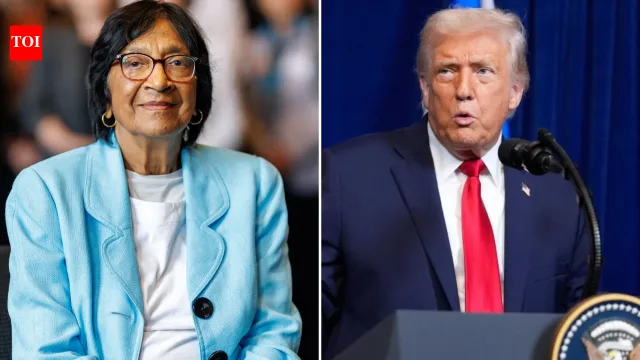
Trump considers renaming Lake Ontario to Lake America amid Canada trade war
The U.S. administration is weighing a symbolic name change for Lake Ontario as retaliation for trade disputes and the imposition of heavy tariffs on Canadian imports.
- Headline: Trump considers renaming Lake Ontario to Lake America amid Canada trade war
- Dispatch Summary: The U.S. administration is weighing a symbolic name change for Lake Ontario as retaliation for trade disputes and the imposition of heavy tariffs on Canadian imports.
- Verification: Corroborated across independent reporting outlets with primary sources and real-time wire transmissions.
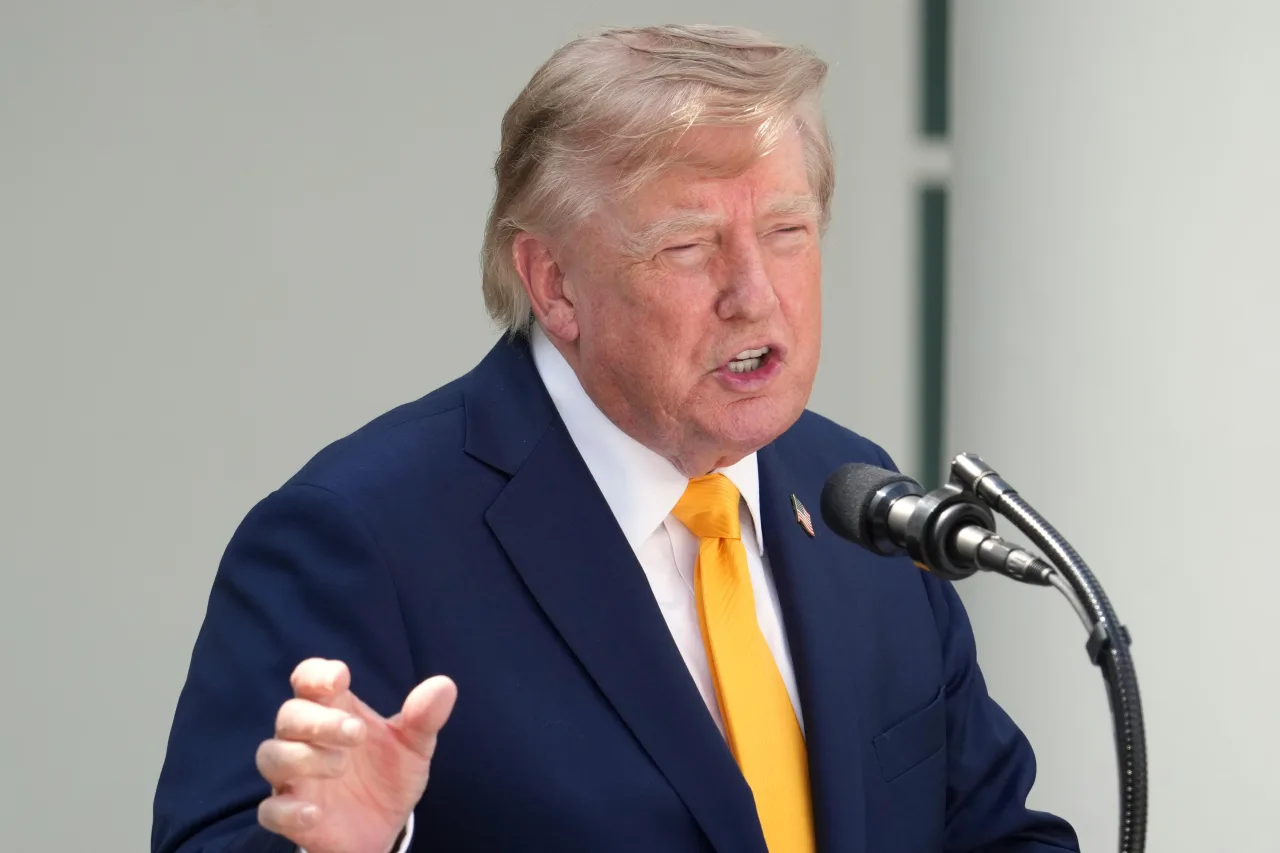
President Donald Trump has reignited tensions with Canada by suggesting the United States may rename Lake Ontario to “Lake America” as part of an escalating trade dispute, a move that echoes his earlier unilateral effort to rename the Gulf of Mexico. The announcement, made via social media on Tuesday, underscores a broader pattern of provocative rhetoric as the two nations grapple over tariffs and economic relations.
Trump’s statement came amid heightened friction following the imposition of 50% tariffs on $20 billion in Canadian goods, a measure the administration framed as retaliation for what it called unfair trade practices. The tariffs, which took effect over the weekend, target a wide range of products, including honey, hockey sticks, and automotive parts, and have drawn sharp criticism from Canadian officials. Prime Minister Mark Carney accused the U.S. of seeking to “destroy our major industries,” while Ontario Premier Doug Ford warned that Canada could leverage critical resources like oil and potash to counter U.S. pressure.
The proposed renaming of Lake Ontario, a body of water that straddles the U.S.-Canada border, was described by Trump as a symbolic response to the trade war. “The United States is giving serious consideration to changing the name of Lake Ontario to Lake America in that we don’t expect to doing much business with Ontario any longer,” he wrote on Truth Social. The statement followed a series of aggressive threats, including a pledge to raise tariffs on Canadian vehicles and steel to 50% starting in 2027. Canada has vowed to retaliate, with Finance Minister François-Philippe Champagne set to outline measures later Tuesday.
This is not the first time Trump has attempted to alter geographic names to reflect his political messaging. In January 2025, he signed an executive order renaming the Gulf of Mexico the “Gulf of America,” a change that was adopted by U.S. agencies but not universally recognized internationally. The move drew legal challenges, including a court ruling against the White House for restricting access to Trump events for the Associated Press over its continued use of the original name.
The trade war has already disrupted supply chains and raised concerns among businesses on both sides of the border. Michael Howard II, a furniture business owner in Michigan, described the tariffs as a threat to local livelihoods. “We need our neighbor, but also they need us,” he said, criticizing Trump’s rhetoric as “disingenuous.” Meanwhile, Canadian officials have emphasized their willingness to pursue targeted retaliation rather than matching U.S. tariffs dollar-for-dollar, a strategy aimed at shielding workers and industries from the worst impacts.
The dispute has also drawn attention to the deeply intertwined nature of U.S.-Canada economic ties. The two nations share one of the world’s largest trading relationships, with auto, energy, and agricultural sectors heavily reliant on cross-border cooperation. Trump’s threats to escalate the conflict—coupled with his history of unilateral actions—have left businesses and policymakers scrambling to navigate an increasingly volatile landscape.
As the standoff continues, the renaming of Lake Ontario has become a focal point of the broader conflict, blending symbolic gestures with real-world economic consequences. For now, the question remains whether Trump’s latest move will serve as a warning or a catalyst for further escalation in a trade war that shows no signs of abating.
Updated 2 times since publication; last update 24 September 2026, 09:38.