Iran launches missiles and drones at Gulf states following US airstrikes
Iranian forces launched a wave of retaliatory strikes across the Gulf following U.S. military operations, further destabilizing the critical Strait of Hormuz.
- Headline: Iran launches missiles and drones at Gulf states following US airstrikes
- Dispatch Summary: Iranian forces launched a wave of retaliatory strikes across the Gulf following U.S. military operations, further destabilizing the critical Strait of Hormuz.
- Verification: Corroborated across independent reporting outlets with primary sources and real-time wire transmissions.
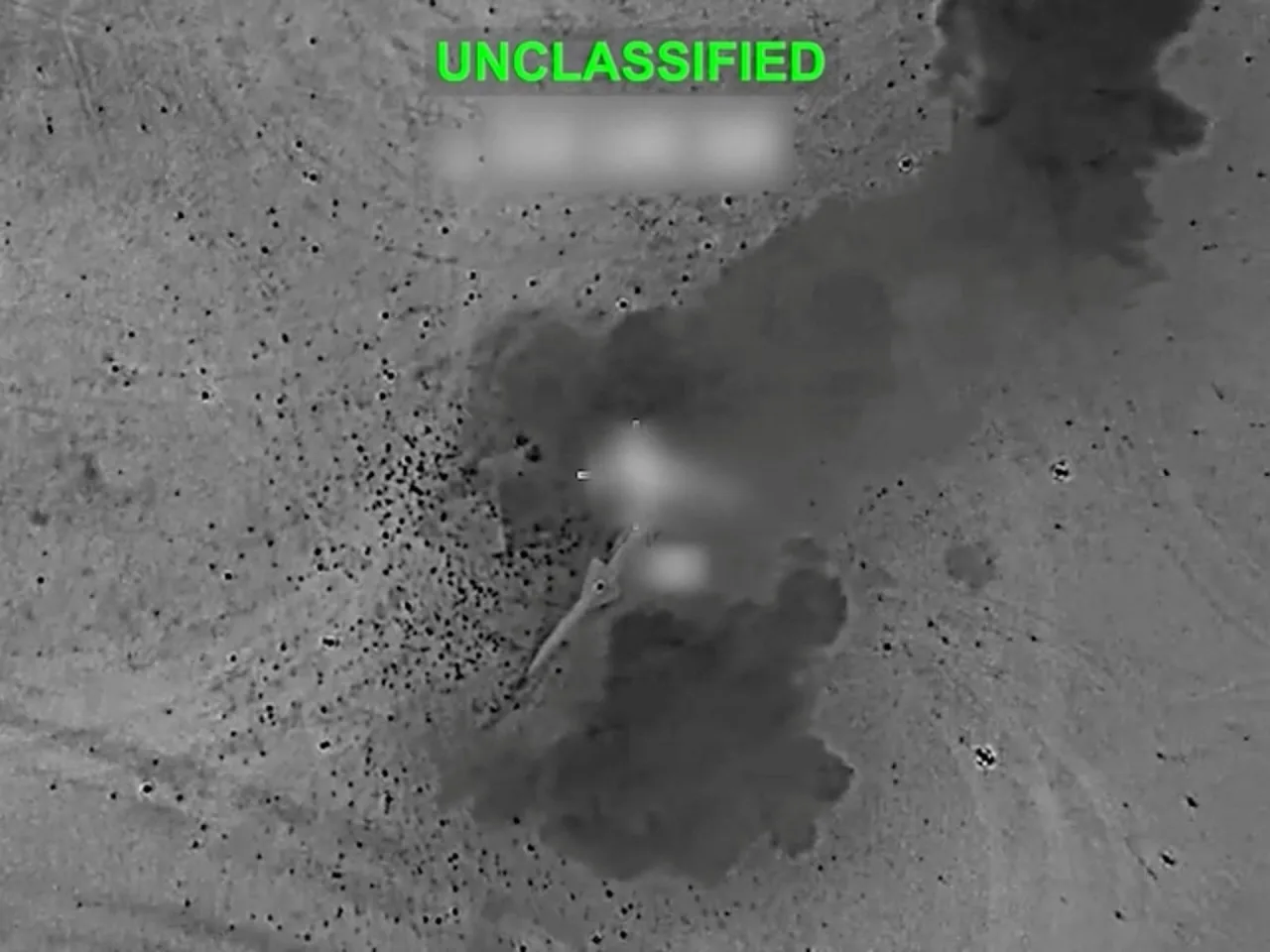
Iran launched a wave of missile and drone attacks on Gulf states on Sunday, escalating tensions with the United States amid conflicting claims over control of the Strait of Hormuz. The strikes followed U.S. airstrikes targeting Iranian military sites, marking a sharp intensification of hostilities that has disrupted regional stability and global energy markets.
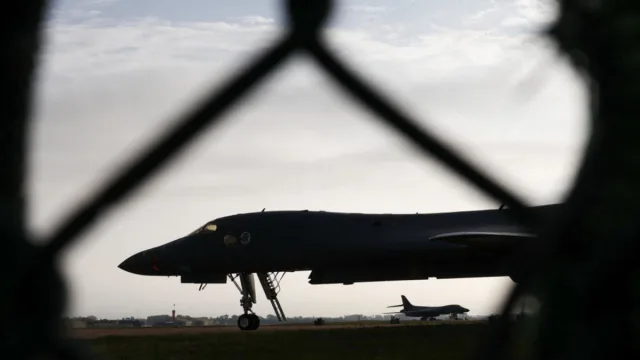
The attacks, which targeted Bahrain, Kuwait, Qatar, Oman, and Jordan, came hours after the U.S. Central Command (CENTCOM) reported striking approximately 140 Iranian military targets, including missile and drone launch sites, naval assets, and ammunition storage facilities. Iran’s Revolutionary Guard Corps (IRGC) claimed responsibility for the retaliatory strikes, alleging it had damaged U.S. radar sites, drone hangars, and a command-and-control center in Jordan. U.S. officials confirmed the attacks but stated there were no casualties or major damage to American facilities.
The latest exchange of violence underscores the deepening conflict over the Strait of Hormuz, a critical maritime chokepoint through which about a fifth of global oil and liquefied natural gas shipments once passed. Iran has effectively controlled the strait since the U.S.-led war began in February, blocking vessels that use alternative routes and demanding fees for passage. On Saturday, Iran closed the strait after attacking a Cyprus-flagged container ship, a move it said was in response to U.S. interference. The U.S. and its allies, however, have pushed for a southern route near Oman, which Iran has repeatedly attacked.
Qatar reported three injuries, including a child, from shrapnel after Iranian strikes, while Kuwait’s military intercepted incoming fire and suffered material damage to an offshore oil platform. Oman condemned the attacks, summoning Iran’s ambassador over drone strikes in two regions, and urged the U.N. security Council to address the crisis. Bahrain, home to the U.S. Navy’s 5th Fleet, experienced multiple missile alerts, with authorities stating the threats originated outside its borders.
The U.S. has framed its strikes as a response to Iran’s aggression against commercial shipping, with CENTCOM asserting that the strait remains an “international waterway” and that U.S. forces are prepared to ensure freedom of navigation. However, Iran’s state media and military leaders have rejected this claim, emphasizing their sovereignty over the strait. “The Strait of Hormuz is our territory,” the IRGC stated, accusing the U.S. of “illegal interference.”
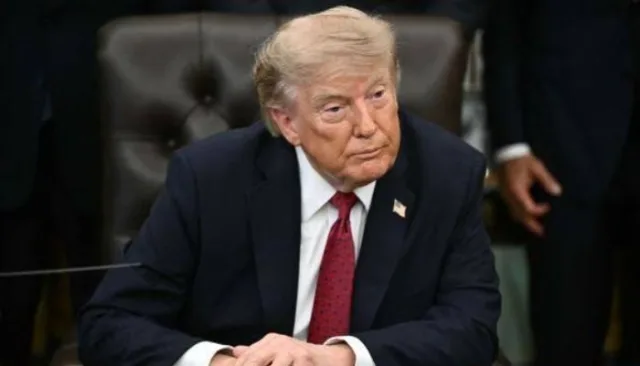
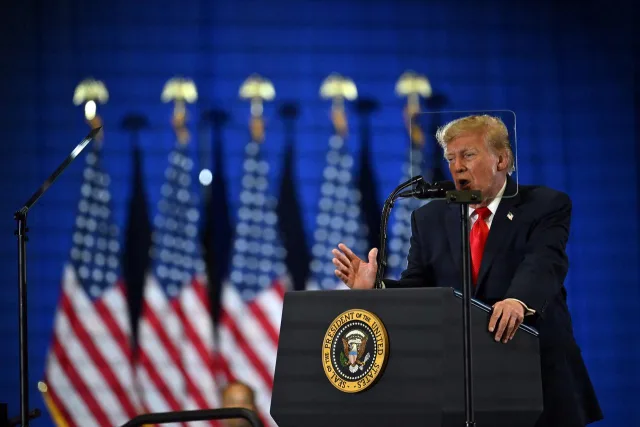
Tensions have been further fueled by the collapse of an interim U.S.-Iran agreement aimed at ending the war. U.S. President Donald Trump, facing pressure to lower energy prices ahead of November’s midterm elections, has repeatedly criticized the deal, calling it “over” despite ongoing negotiations. Iran’s top negotiator, Mohammad Baqer Qalibaf, warned that continued U.S. strikes would lead to a “complete halt” in diplomacy, while Iran’s leadership has emphasized its control over the strait and its right to regulate shipping.
The conflict has also spilled into other regions, with Israel launching strikes against Iranian-backed Hezbollah militants in southern Lebanon and Iran accusing the U.S. of failing to uphold its commitments to stabilize the area. Meanwhile, global oil prices have fluctuated as the strait’s status remains uncertain, with some vessels opting for the U.S.-backed southern route while others face Iranian threats.
Despite the violence, diplomatic efforts continue. Pakistan, a key mediator, has called for de-escalation, and U.S. and Iranian officials are set to resume talks on the terms of their 60-day interim deal. However, the latest attacks have cast doubt on the agreement’s viability, with both sides accusing each other of undermining the fragile truce. As the cycle of retaliation continues, the future of the strait—and the broader conflict—remains in flux, with profound implications for global energy security and regional stability.