Tesla and SpaceX Form Special Committees to Discuss Merger
Tesla and SpaceX have formed special committees to evaluate a potential merger that would create a corporate colossus worth more than $3 trillion.
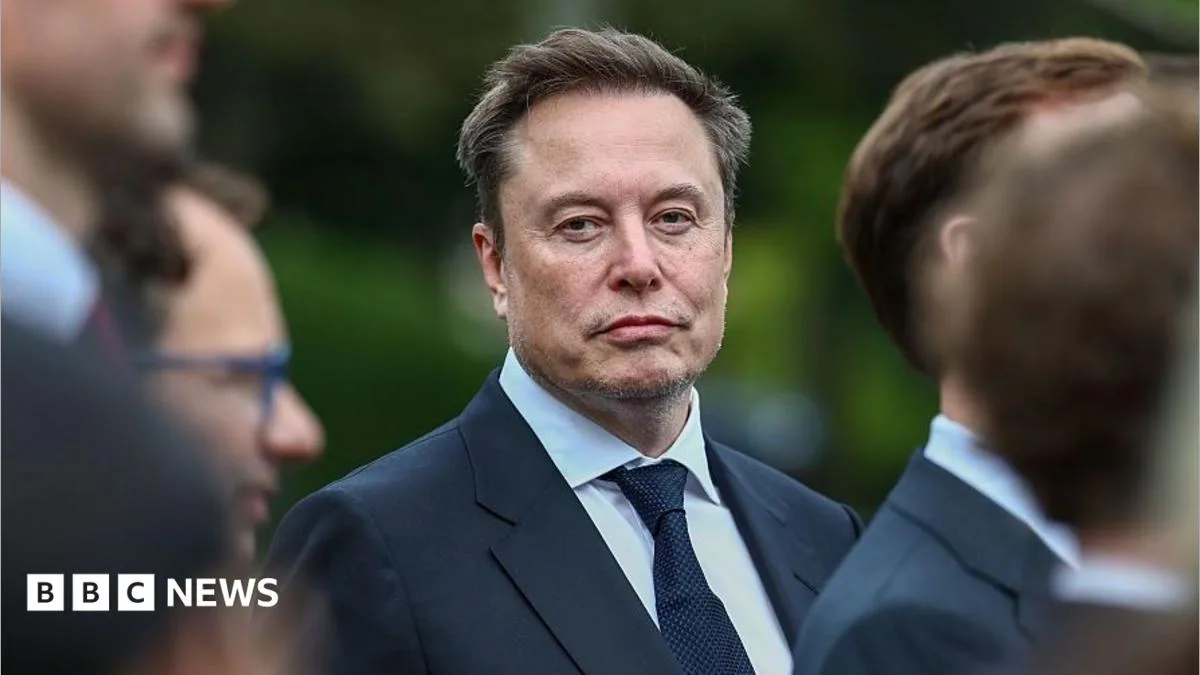
Elon Musk announced that he believes combining Tesla and SpaceX would be a good idea, confirming that special committees of independent directors have been formed at both companies to explore a potential merger. Speaking during SpaceX's third-quarter earnings call on Tuesday, Musk cautioned that the groups have not agreed on terms and that a deal is far from certain, describing the process as an odd kabuki dance in which two groups of people are talking while he is excluded as a conflicted party.
At recent valuations, Tesla stands near $1.5 trillion while SpaceX is valued at $2 trillion, bringing their combined market value to roughly $3.5 trillion. A completed merger would rank among the biggest corporate combinations in history, surpassing many prior blockbuster deals. Musk owns nearly one-fifth of Tesla and just under half of SpaceX, holding greater voting control at the space company through dual-class shares.
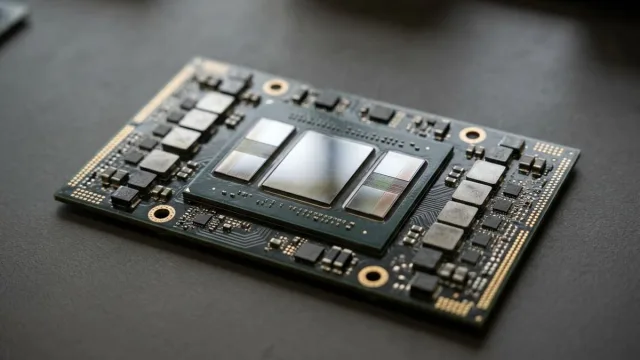
The roadmap toward this union follows a busy period of consolidation across Musk's business empire. Over the past year, SpaceX acquired xAI and X before going public this year. More recently, the two companies launched Terafab, a combined effort to manufacture computer chips. Musk noted that bringing Tesla and SpaceX together makes sense given the shared work each does around chips, artificial intelligence, software, and robotics. Specifically, the deal would combine Tesla's cars, robots, and self-driving technology with SpaceX's rockets, data centers, satellites, Starmind constellation connectivity services, and telecommunications operations as the industry approaches what Musk termed the superintelligence singularity.
The push for consolidation arrives alongside strong financial results for SpaceX, which reported third-quarter revenue of $14.58 billion, up 161 percent from a year earlier and ahead of analyst estimates. Net income reached $4.4 billion in the July-September quarter, representing a sharp reversal from a $1.05 billion net loss during the same period a year earlier. Growth was driven in large part by its Super Intelligence segment, which saw revenue surge more than 800 percent year over year, alongside ongoing Starlink satellite internet operations. Following the results and Musk's remarks, SpaceX shares rose roughly 8 percent in extended trading, while Tesla shares gained modestly.
Shareholder Hurdles and Governance Structure
Any transaction requires approval from at least 50 percent of all outstanding shares on the Tesla side, not merely a majority of those that vote — a threshold Musk described as quite a high hurdle to achieve. Because Musk serves as chief executive of both companies and holds substantial ownership stakes, he is classified as a conflicted party and cannot participate in either special committee or in shareholder discussions. Independent directors on the special committees have not been publicly named, and a person familiar with the matter told Reuters that discussions began in recent weeks and could result in SpaceX acquiring Tesla, though that remains unconfirmed by the companies.
Investment analyst Dan Sheehan from Telos Wealth Advisors told the BBC that shareholders will likely back the deal because the technologies developed by the two firms complement each other. Sheehan noted that the merger would mean Tesla shareholders hold a smaller slice of a much larger and more complex business, adding that there's no real precedent for how a public company like Tesla gets priced in this. David Nicholson, the Chief Technology Advisor at The Futurum Group, voiced strong support, stating, In my opinion, 100%. It's just a question of when,
and pointing to the recent unveiling of the Tesla Roadster — powered by SpaceX rocket thrusters, as a symbolic embodiment hinting at the merger.
Jerayr Haleblian, an expert in mergers and acquisitions at the University of California, Riverside, told Al Jazeera that the proposed tie-up has sound logic. In some sense, the core of both businesses are expert manufacturing,
Haleblian said, adding that from a technology transfer perspective, there should be significant flows of information between businesses since both firms possess expertise in robotics, AI, and energy infrastructure. Musk himself described discussing the merger as akin to tap dancing through a minefield given his role as chief executive of both entities.
Impact on Car Production and Investor Wealth
Experts consulted by the BBC indicated that Tesla drivers are unlikely to experience drastic changes in the near term, as vehicles may take a secondary role while attention shifts toward combining technical capabilities. The question is how much priority cars get inside a company increasingly driven by AI infrastructure,
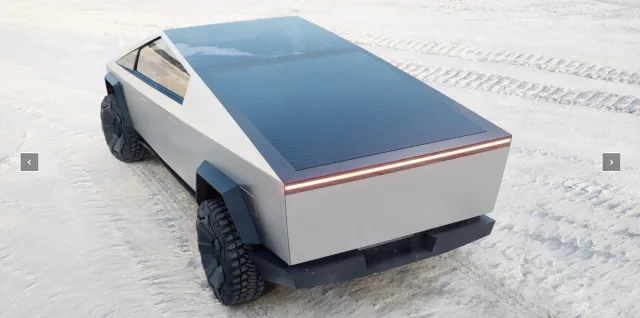
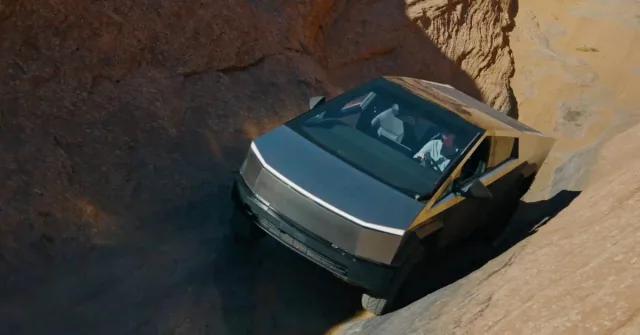
Sheehan said, noting that vehicles risk becoming an afterthought overshadowed by AI and data systems. Tesla has already adjusted its automotive focus this year by prioritizing its best-selling Model Y and Model 3 while shifting away from less popular models, alongside utilizing a California manufacturing plant to produce humanoid robots known as Optimus. Meanwhile, Tu Le, founder of advisory firm Sino Auto Insights, stated that pulling SpaceX technology into future Tesla products could help attract more customers as the Cybertruck-maker faces intense competition from Chinese carmakers like BYD, which overtook Tesla as the world's biggest EV maker in January.
For investors, the merger concentrates wealth rather than generating an immediate cash payout. The deal itself doesn't add to Musk's wealth, but it concentrates it further in one stock,
Sheehan said. The transaction would also grant Musk greater voting control over the combined enterprise than he currently holds at Tesla. Nicholson noted that the consolidation could draw increased scrutiny over Musk from critics and face regulatory pressure if Democrats gain additional seats in the US midterm elections next month.
Musk's SpaceX Share Pledge
In a related development on X within hours of the merger disclosures, Musk pledged that next year he will give one SpaceX share to every child in America, calling it the first of many.
President Trump publicly thanked him, tying it to Trump accounts. Based on 72 million Americans under 18 at roughly $148 per SpaceX share, the math totals about $10.5 billion, or $146 per child, representing about 1.1 percent of Musk's stake. During a discussion on Peter Diamandis's Moonshots and All-In crossover podcast, panelists noted the pledge acts as a behavioral and political intervention rather than a transfer, with Alexander Wissner-Gross adding that a generation with an economic stake in a merged SpaceX-Tesla may feel regulatory alignment too.
Merger Timeline and Market Response
- Tuesday: Musk confirms during a SpaceX earnings call that special committees have been formed to explore a merger.
- Wednesday: Tesla reports its own quarterly financial results.
- Next month: US midterm elections take place, carrying potential implications for regulatory oversight.
- Coming months: Special committees are tasked with reaching an agreement on terms before putting any proposal to a shareholder vote.
Market reactions were immediate following the announcement, with SpaceX shares rising more than 8 percent in after-hours trading and Tesla shares climbing by 1.5 percent after spending weeks down slightly. The committees have not reached agreement on terms, and shareholder approval remains an uncertain threshold.
Updated 1 time since publication; last update 5 November 2026, 11:46.