Mortal Shell II Review – Bigger And Better In Every Way
Mortal Shell II delivers an ambitious Soulslike experience with an expanded Shell system and refined combat, though technical flaws and design issues hold it back.
- Headline: Mortal Shell II Review – Bigger And Better In Every Way
- Dispatch Summary: Mortal Shell II delivers an ambitious Soulslike experience with an expanded Shell system and refined combat, though technical flaws and design issues hold it back.
- Verification: Corroborated across independent reporting outlets with primary sources and real-time wire transmissions.
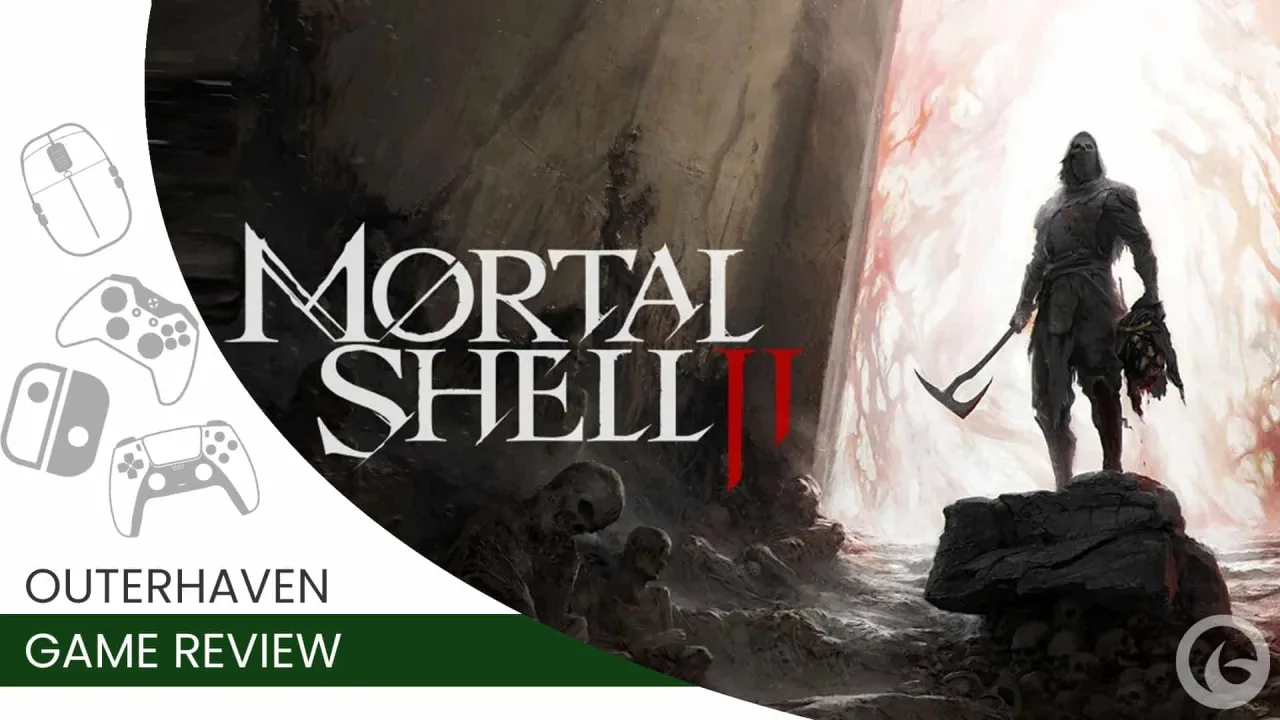
Mortal Shell II, the highly anticipated sequel from Cold Symmetry, has arrived as a bold evolution of its 2020 predecessor, offering a refined yet ambitious take on the Soulslike genre. While the game’s larger scale and deeper mechanics have drawn widespread praise, it also faces criticism for its technical flaws and design choices. The result is a title that feels both novel and imperfect, embodying the tension between innovation and execution that defines many modern action RPGs.
The core of Mortal Shell II lies in its expanded Shell system, which allows players to inhabit the bodies of fallen warriors, each with unique abilities and narratives. This mechanic, introduced in the original, has been fleshed out to become the game’s defining feature. Shells now carry rich backstories, tied to the world’s lore and the events of the first game. Players unlock these histories through Glimpse, a resource that rewards exploration and experimentation. However, the limited availability of Glimpse has been a point of contention, with some reviewers noting that it restricts access to full narrative depth in a single playthrough.
Combat in Mortal Shell II is a significant leap forward. The removal of the traditional stamina system, replaced by a Resolve mechanic, allows for more fluid and aggressive playstyles. Players can block, parry, and attack without the frustration of stamina depletion, though posture-based defenses and Break Damage mechanics ensure that risk remains a factor. The game’s emphasis on parrying and ripostes, combined with the Shell system’s versatility, creates a dynamic combat loop that rewards adaptability. However, some critics found the camera system to be a persistent hindrance, particularly during dense encounters where visibility was compromised.
The game’s world design marks another major improvement. Mortal Shell II expands beyond the claustrophobic environments of its predecessor, offering a more interconnected open world filled with diverse landscapes. From decaying ruins to lush, overgrown areas, the scale and visual variety are impressive. Yet, some reviewers noted that the world’s design occasionally feels disjointed, with certain regions appearing as mere stages for combat rather than organic spaces. Fast travel via beacons and warp gates helps mitigate this, but the lack of a clear map or compass has left some players frustrated.
Accessibility features represent a standout innovation. Mortal Shell II introduces multiple difficulty settings, including seals that alter combat mechanics — such as the Slayer Seal, which removes defense entirely in favor of aggressive counterattacks. This flexibility, paired with the game’s adjustable day-and-night cycle, allows players to tailor their experience. However, some critics argued that these systems feel more like workarounds than cohesive design choices, particularly when compared to titles like Lies of P, which offer more straightforward difficulty options.
The narrative, while less central than the mechanics, has been expanded to include deeper lore and character-driven stories. The Harbinger’s quest to recover stolen Ova from the Undermether ties the game’s events to a broader mythos, with side quests and environmental storytelling enriching the world. Yet, the story’s cryptic nature and lack of direct NPC engagement with shells have left some reviewers wanting more. The game’s audio and visual design, however, are widely praised, with immersive soundscapes and a grotesque, decaying art direction that enhances its dark fantasy atmosphere.
Despite its strengths, Mortal Shell II is not without flaws. Late-game enemy density and pacing issues have drawn criticism, with some players finding encounters to feel more like attrition than challenge. Technical bugs, including sound dropouts and level geometry glitches, also mar the experience, though these are likely to be addressed in future patches. The game’s performance on PC, particularly with high settings, has also been a concern, with some noting frame rate drops and resource-intensive demands.
Overall, Mortal Shell II represents a significant step forward for Cold Symmetry. It builds on the original’s foundation with more refined mechanics, a richer world, and a stronger identity within the Soulslike genre. While it falls short of some expectations — particularly in comparison to games like Elden Ring, it stands as a compelling entry that showcases the studio’s growth. For fans of the genre, the game offers a rewarding, if occasionally flawed, experience that balances ambition with execution.
How significant is this wire dispatch?
Cast your anonymous vote to register reader consensus across journalism and intelligence sectors.
Dateline Wire is dedicated to independent, evidence-backed reporting. This briefing was synthesized from primary source reporting, corroborated across independent newsrooms, and verified against our Editorial Standards.