Google announces Pixel Tag item tracker with UWB and $29 price
Google has unveiled its $29 Pixel Tag item tracker featuring Ultra Wideband precision tracking and integration with the Android Find Hub network.
- Headline: Google announces Pixel Tag item tracker with UWB and $29 price
- Dispatch Summary: Google has unveiled its $29 Pixel Tag item tracker featuring Ultra Wideband precision tracking and integration with the Android Find Hub network.
- Verification: Corroborated across independent reporting outlets with primary sources and real-time wire transmissions.
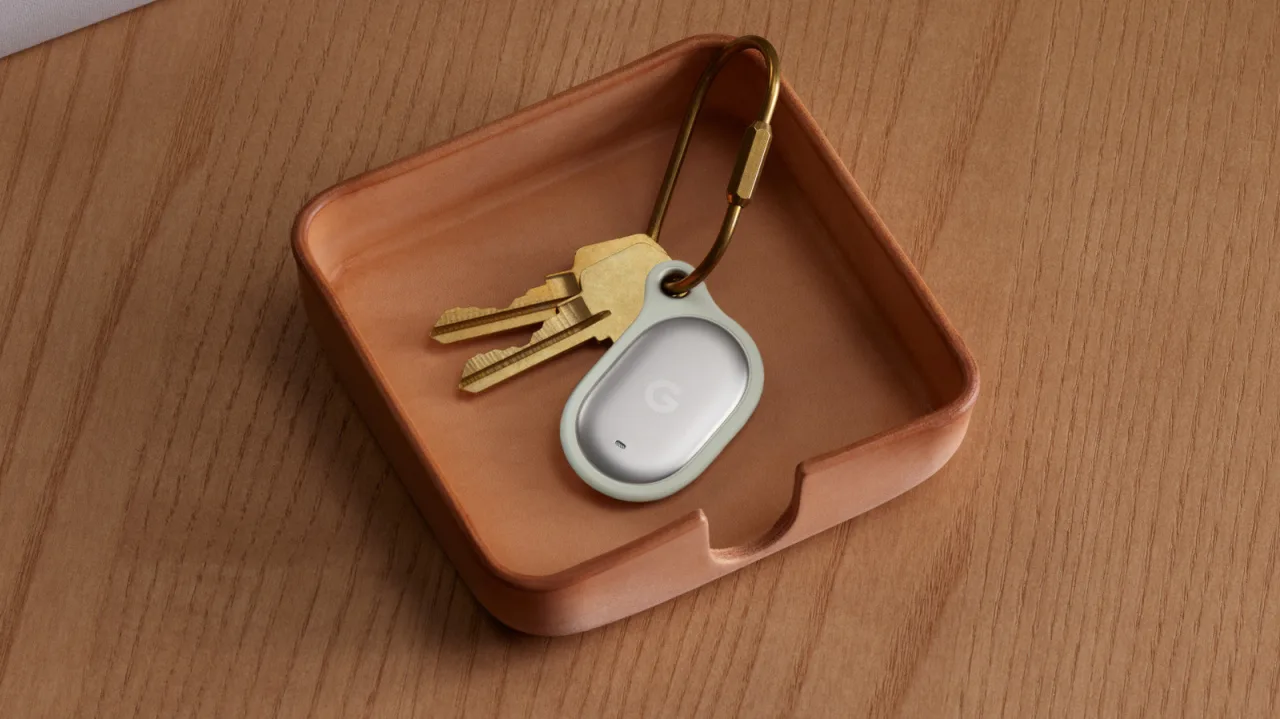
Google has launched the Pixel Tag, an item tracker designed to compete with Apple’s AirTag, during its Made by Google 2026 event on August 12, 2026. The device, priced at $29 for a single unit or $99 for a four-pack, is compatible with Android 9 and later devices and features Ultra Wideband (UWB) for precision tracking, as well as Bluetooth Channel Sounding for distance measurement. It will ship on November 11, 2026, according to multiple reports.
Pixel Tag’s Technical Features and Design
The Pixel Tag measures 1.8 inches in height, 1.1 inches in width, and 0.2 inches in thickness, with an IP67 rating for dust and water resistance. It uses a replaceable CR2032 coin-cell battery, expected to last over a year. Key technologies include UWB for directional guidance and Bluetooth Channel Sounding, which Google claims offers more accurate distance detection than traditional Bluetooth Low Energy (BLE). However, UWB support is limited to devices like the Pixel Pro and Samsung Galaxy S and Z Fold phones, while Bluetooth Channel Sounding requires Android 16 or later and Bluetooth 6.0.
Despite its functionality, the Pixel Tag lacks a built-in hole for attachment, requiring users to purchase separate accessories. This design choice drew criticism from some outlets, which noted the inconvenience for a device meant to be attached to objects like keys or wallets.
Competitive Positioning and Market Context
The Pixel Tag enters a crowded market dominated by Apple’s AirTag and Samsung’s SmartTag 2. Google positions it as a rival to these products, leveraging its Find Hub network, which connects over a billion Android devices. This network allows users to locate lost items even when out of Bluetooth range, a feature Apple’s Find My network also provides. However, Google’s tracker is exclusive to Android, leaving iPhone users reliant on AirTags or other iOS-compatible devices.
ZDNet highlighted that the Pixel Tag’s inclusion of Bluetooth Channel Sounding sets it apart from Apple’s BLE-based AirTag. While UWB is more accurate, Channel Sounding is more power-efficient, extending battery life. However, not all Android devices support these technologies, limiting the tracker’s full potential for users with older or non-premium phones.
Release Timeline and Availability
Preorders for the Pixel Tag began on August 12, 2026, but shipping is scheduled for November 11, 2026. This delay contrasts with the immediate availability of other Pixel 11 series products announced during the same event. Android Authority noted that the wait reflects Google’s late entry into the item tracker market, which Apple pioneered with the AirTag in 2021.
The device will be available in a single color, Fog, with a stainless steel body. It integrates with the Find Hub app, allowing users to share tags with up to 10 people. Additional features include motion alerts via an internal accelerometer and compatibility with Pixel Watches and Buds for hands-free location tracking.
Industry Reactions and Unanswered Questions
Outlets like Engadget and The Verge praised the Pixel Tag’s precision tracking and affordability but questioned its timing. Android Authority noted that Google’s delay in entering the market could hinder adoption, as AirTags have already established a loyal user base. Meanwhile, ZDNet emphasized the technical nuances of Channel Sounding versus UWB, suggesting the Pixel Tag’s accuracy may vary depending on the user’s device capabilities.
One unresolved question is how effectively the Find Hub network will perform compared to Apple’s proprietary system. While Google claims its network’s scale is an advantage, the lack of cross-platform compatibility with iOS could limit its appeal. Additionally, the absence of a built-in attachment hole and the need for separate accessories may deter some users.
The Pixel Tag’s launch underscores Google’s effort to expand its ecosystem, but its success will depend on addressing these design and compatibility challenges while competing with established rivals. As November 11 approaches, the device’s real-world performance and user reception will determine its impact on the item tracker market.
How significant is this wire dispatch?
Cast your anonymous vote to register reader consensus across journalism and intelligence sectors.
Dateline Wire is dedicated to independent, evidence-backed reporting. This briefing was synthesized from primary source reporting, corroborated across independent newsrooms, and verified against our Editorial Standards.