Apple confirms October 28 Pro and Tell event with OLED touchscreen MacBo…
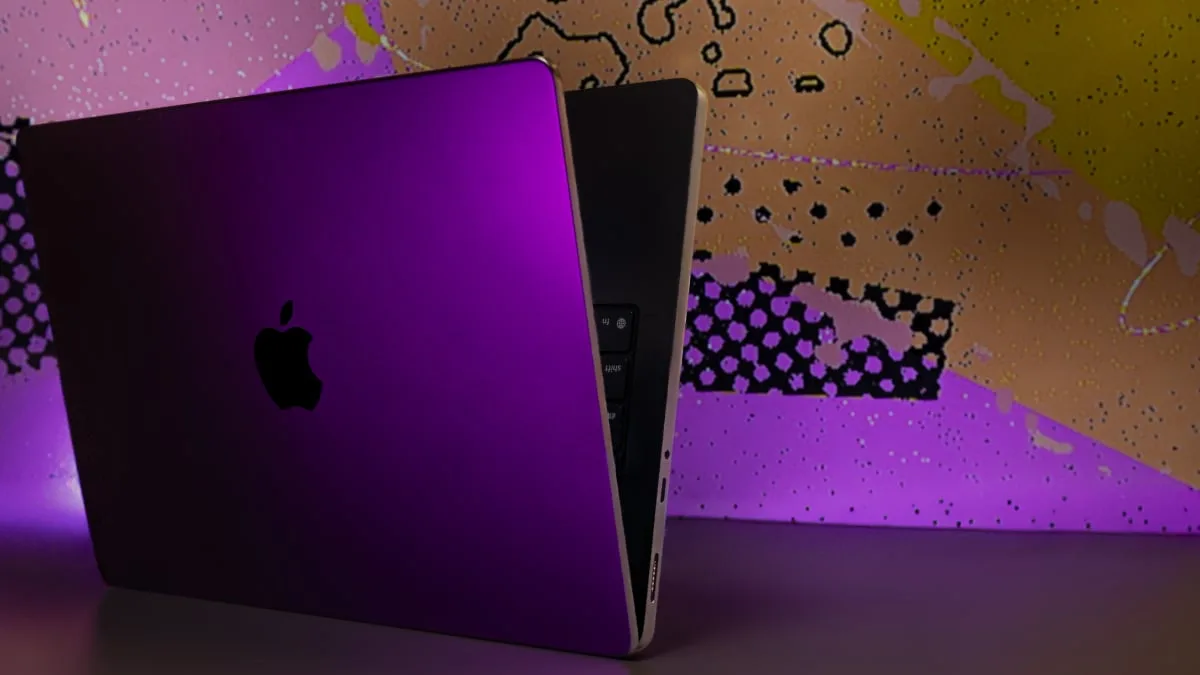
Apple has officially confirmed an October 28 launch event expected to feature its first-ever MacBook Pro equipped with an OLED touchscreen display.
- Headline: Apple confirms October 28 Pro and Tell event with OLED touchscreen MacBo…
- Dispatch Summary: Apple has officially confirmed an October 28 launch event expected to feature its first-ever MacBook Pro equipped with an OLED touchscreen display.
- Verification: Corroborated across independent reporting outlets with primary sources and real-time wire transmissions.
Apple confirms October 28 Pro and Tell event with OLED touchscreen MacBook Pro expected
Creative professionals and long-time Mac users are preparing for a profound shift in Apple hardware as the company confirms an October 28 Pro and tell
launch event in Los Angeles, California. Following recent announcements like HomeView and the Welcome Home
smart home event, Apple marketing chief Greg Joswiak officially invited customers and journalists via an X post featuring an icon of the classic Apple logo swiping across a screen. The headline attraction at the upcoming showcase is expected to be Apple's first-ever laptop equipped with both an OLED panel and direct touch support, dismantling more than a decade of company resistance to touchscreens on desktop computers. That hardware pivot comes under CEO John Ternus, arriving alongside refreshed iPads and desktop computers just as component cost pressures loom over the entire lineup.
The timeline leading to this moment stretches back several years through a steady drip of industry intelligence and executive pronouncements. In 2010, late co-founder Steve Jobs famously called touchscreen laptops ergonomically terrible,
a sentiment echoed in 2018 by software head Craig Federighi, who told Wired that he was not into touchscreens
on laptops. Even as recently as 2021, then-hardware chief John Ternus told the Wall Street Journal that Apple had already made the world’s best touch computer on an iPad...And the Mac is totally optimized for indirect input,
adding that we haven’t really felt a reason to change that.
Bloomberg managing editor Mark Gurman first broke news of the reversal in early 2023, calling it a move that would defy long-held company orthodoxy. Analyst Ming-Chi Kuo added weight to those reports in fall 2025 by writing on X that an upcoming OLED MacBook Pro would incorporate a touch panel using on-cell touch technology. Leaker Instant Digital fueled further speculation in June by posting on Weibo that it's 100% confirmed that the MacBook screen will be touch-enabled.
Days later, the developer beta for macOS 27 provided tangible evidence from Apple itself via support for touch-responsive software features.
Redesigned chassis, internal reengineering, and software adjustments
The upcoming flagship laptop represents the first complete redesign of Apple's high-end portable chassis in five years. Internal reengineering has allowed engineers to miniaturize parts and rearrange components to make the computer much easier to carry, resulting in a machine that is significantly lighter than existing Pro models. Gurman reported that the hardware will abandon the traditional display notch in favor of a punch-hole camera cutout, while incorporating the familiar pill-shaped Dynamic Island notification area seen on iPhones. Code-named internally as K114 and K116, the machine will likely arrive in 14- and 16-inch sizes powered by existing M5 Pro and M5 Max chips rather than brand-new silicon. Software hints found within the macOS 27 beta point to an interface designed to make switching between touch and traditional point-and-click controls seamless, introducing a pull-to-refresh action and the ability to interact with an extended or mirrored iPad screen via touch inputs.
The new laptop will retain a full keyboard and trackpad, ensuring that using the touchscreen remains completely optional. Beneath that interactive interface, the device transitions away from static mini-LED panels toward an OLED display that delivers better contrast, wider viewing angles, and zero blooming. Alongside the top-tier machine, the October 28 presentation is expected to feature a separate 14-inch MacBook Pro powered by the standard M6 chip while retaining the older design, an upgraded M6 iMac with refreshed color options, and an extensively redesigned iPad mini featuring an OLED display, the A20 Pro chip, a landscape-oriented front camera, redesigned speakers, and improved water resistance.
That power comes with substantial financial considerations for prospective buyers navigating the current market. Given that existing MacBook Pro models with the M5 chip start at $1,999 after a recent price increase, and M5 Pro variants start at $2,499 for the 14-inch size and $2,999 for the 16-inch size, analysts anticipate serious price adjustments. With iPad Pros having grown roughly 20 percent more expensive during their own OLED transitions, a 14-inch OLED touchscreen MacBook will start around $2,999, assuming the global memory crisis does not inflict further damage on component costs following Apple's earlier price hikes amid RAMageddon.
That leaves creative professionals and power users weighing a major hardware investment against the reality of premium pricing. Following the online video presentation and in-person press component scheduled for October 28 at 10 a.m. PT in Los Angeles, the redesigned touchscreen MacBook Pro could reach customers as early as November 6, according to recent reporting by The Apple Post. Whether the market embraces Apple's sudden embrace of laptop touchscreens remains to be seen as the official unveiling arrives.
Gizmodo notes that the swipey nature of the thing seems to hint it has something about a touchscreen going on,
signaling the end of years of speculation for tech reporters who spent agonizingly long periods waiting for Apple to cross this design threshold.