Trump suggests letting Iran "take out" LA, San Diego during rally
Donald Trump faced sharp backlash from California officials after suggesting at a rally that Iran could take out Los Angeles and San Diego.
- Headline: Trump suggests letting Iran "take out" LA, San Diego during rally
- Dispatch Summary: Donald Trump faced sharp backlash from California officials after suggesting at a rally that Iran could take out Los Angeles and San Diego.
- Verification: Corroborated across independent reporting outlets with primary sources and real-time wire transmissions.
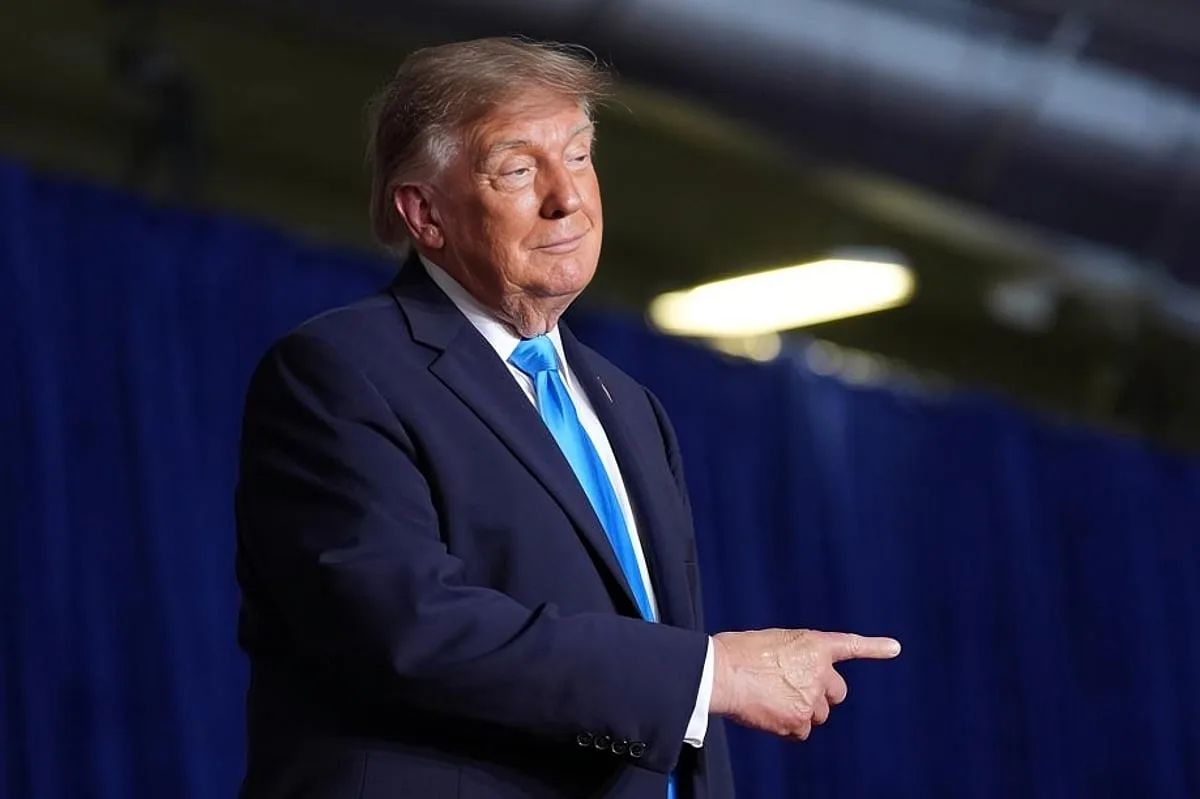
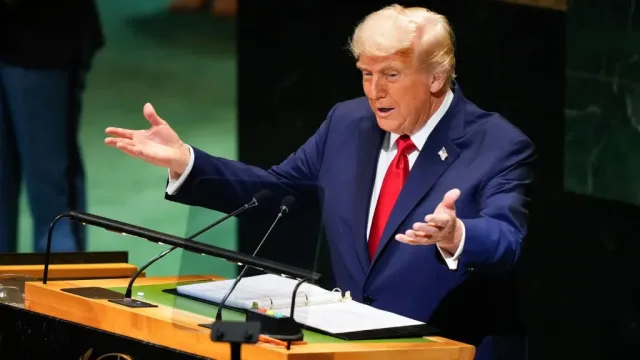
Donald Trump sparked immediate backlash from California officials after suggesting during a campaign rally that Iran could "take out" Los Angeles and San Diego, describing the potential destruction of two major US cities as a "small price to pay" for maintaining global and national security. The remarks, made at a rally in Grand Island, Nebraska, on October 6, 2026, drew sharp condemnation from state leaders and raised concerns about the president’s rhetoric amid escalating tensions with Iran.
Trump’s Remarks and Context
At the rally, Trump argued that elevated prices and economic hardships were a necessary cost of sustaining US and global security. He stated, "They can take out a city. Let them take out Los Angeles. Let them take out San Diego. This is a very small price to pay." The remarks were part of a broader speech in which Trump framed the ongoing conflict with Iran as a temporary burden, asserting that the war was "essentially almost over with" and predicting that consumer prices would "come down very sharply" once it ended.
The president’s comments were made in the context of his campaign for the November midterm elections, where he sought to rally support among Republican voters. He also referenced Iran’s economic resilience, noting that Iranian leaders had described themselves as having a "big threshold for pain." However, Trump’s remarks about allowing attacks on US cities were met with immediate criticism from California officials, who emphasized the state’s role as a political and military linchpin of the nation.
Reactions from California Officials
California Governor Gavin Newsom called Trump’s remarks "deranged and dangerous," accusing the president of endangering the state’s security. "After sending the National Guard and Marines to occupy California, Donald Trump is now saying our foreign enemies should ‘take out’ Los Angeles and San Diego," Newsom wrote on X. He emphasized that the president’s rhetoric risked normalizing attacks on American cities, which he described as "not a punchline for Donald Trump."
Los Angeles Mayor Karen Bass condemned the comments as "irresponsible threats" that could compromise the safety of the city’s 10+ million residents. "The role of a president is to protect the country, not to actively threaten it and encourage attacks on American lives," she stated. San Diego Mayor Todd Gloria echoed this sentiment, declaring, "We are not expendable. And we are never a 'small price to pay.'"
The backlash extended beyond local leaders. Democratic nominee for governor Xavier Becerra, who is positioning himself as a successor to Newsom, criticized Trump for treating California’s residents as "a ‘small price to pay’ or a punchline." The comments also drew scrutiny from defense experts, who noted that Iran currently lacks the capability to launch a direct missile attack on the US mainland, though Trump has previously warned of Iranian nuclear ambitions.
Midterm Elections and National Security Rhetoric
The remarks occurred as Trump sought to energize his base ahead of the November midterms, where control of Congress remains in play. The president framed his comments as part of a broader argument about the costs of war, suggesting that economic sacrifices were justified to ensure long-term stability. "It’s a little bit high. It’s a small price to pay for keeping the world safe, keeping our country safe," he said.
However, the comments risked alienating voters in California, a key battleground state. Republican gubernatorial candidate Steve Hilton, endorsed by Trump, faced criticism for his association with the president’s rhetoric. Meanwhile, the White House did not immediately respond to requests for comment, leaving the administration’s stance on the remarks unclear.
Frequently Asked Questions
Frequently Asked Questions
What did Trump mean by suggesting Iran could "take out" Los Angeles and San Diego?
Trump’s remarks were part of a broader argument about the costs of war, where he framed potential attacks on US cities as a "small price to pay" for maintaining global security. However, the exact intent behind the comments remains unclear, with some interpreting them as a crude rhetorical tactic and others as a potential disclosure of sensitive intelligence.
How did California officials respond?
California Governor Gavin Newsom and mayors of Los Angeles and San Diego condemned the remarks as "deranged and dangerous," emphasizing the cities’ strategic and population significance. They argued that Trump’s rhetoric risked normalizing attacks on American cities and undermining national security.
What is the military significance of Los Angeles and San Diego?
Los Angeles hosts the U.S. Space Force’s Space Systems Command Headquarters and major aerospace contractors, while San Diego is home to critical military installations, including naval bases and defense research facilities. Both cities play vital roles in the nation’s defense infrastructure.
The controversy surrounding Trump’s remarks is likely to intensify as the midterm elections approach, with California’s political landscape remaining a focal point. Questions about the president’s rhetoric, the administration’s stance on Iran, and the implications for national security will continue to shape the narrative.