California voters reject proposed one-time 5% tax for billionaires
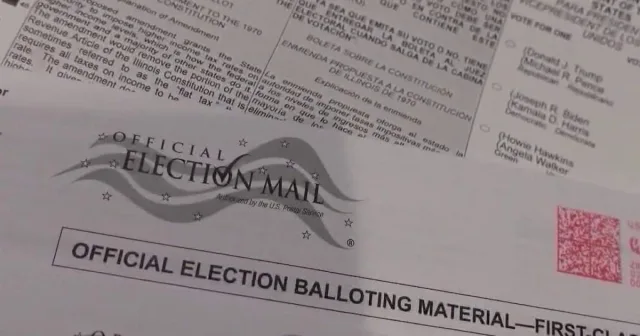
California voters have defeated Proposition 40, a ballot measure that would have imposed a one-time 5% tax on the state's billionaires.
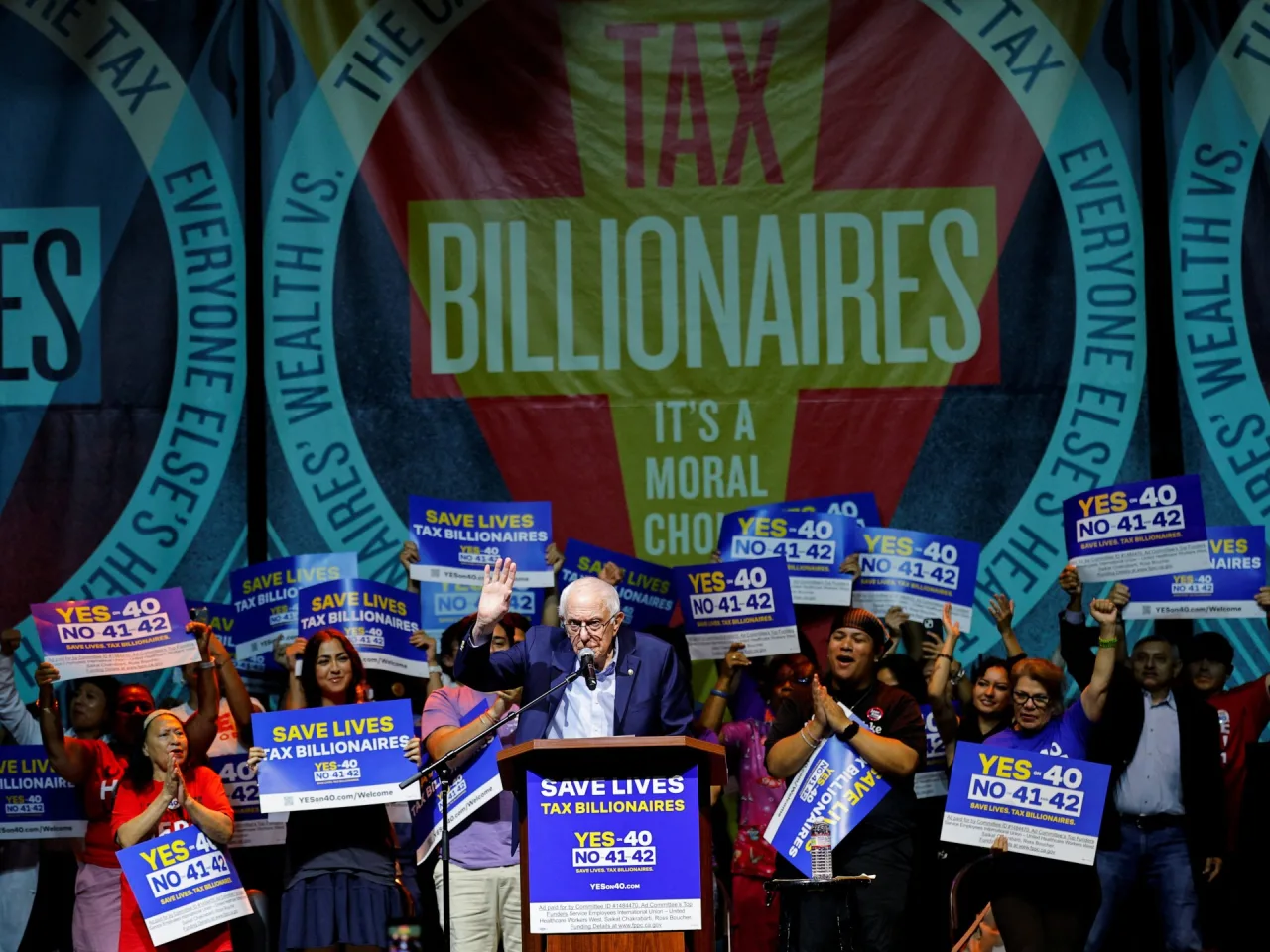
California voters have rejected a ballot measure that would have imposed a one-time 5 percent tax on the state residents whose net worth exceeds $1bn. Projections from the Associated Press, CNN, and CBS News confirmed the defeat of the proposal known as Proposition 40, capping a bitter electoral fight that pitted progressive ambitions against a massive spending campaign by the state tech elite.
The measure would have forced around 200 billionaires in the state to pay the levy, generating an estimated $100bn to fund public healthcare systems, education, and food-assistance programmes.
A Divided Democratic Party and a Massive Billionaire Opposition Campaign
Proponents championed the tax as a remedy for economic inequality and a model for the rest of the country, arguing it was necessary to offset federal funding cuts in President Donald Trump’s One Big Beautiful Bill. United States Senator Bernie Sanders backed the initiative, while Nobel Prize-winning economist Joseph E. Stiglitz noted that Prop 40 put a tax on billionaire wealth on the ballot in the United States for the first time,
adding in a statement sent to AFP by the International Capital Tax Commission that Significant changes rarely move in a straight line.
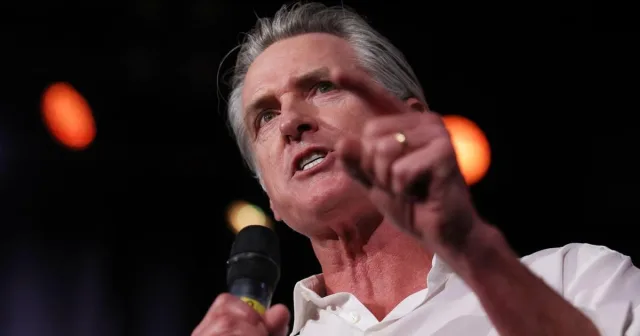
Yet the measure faced fierce headwinds from within its own party ranks. Outgoing California Governor Gavin Newsom came out against the measure, arguing alongside other opponents that the levy would prompt ultrawealthy entrepreneurs to flee the state and take their job-producing enterprises with them. Newsom's opposition, alongside divisions among party leaders and labour unions, caused initial support to wane.
Californian billionaires, including Google cofounder Sergey Brin, poured more than a quarter of a billion dollars into campaigns against the proposal. Opponents blanketed TV stations with commercials warning of lost future tax revenues, and argued the tax served as a gateway to more aggressive taxation that could target their retirement accounts.
That clash exposed the sharp ideological fractures running through California politics, even as the state's electorate has repeatedly signaled fatigue with wealth levies. California has voted on a wealth tax three times before this decade, rejecting it every time.
National Fallout and the Legislative Road Ahead
The defeat deals a sharp blow to the left wing of the Democratic Party, which had gained momentum after a so-called “blue tsunami” in the country’s midterm elections saw Democrats winning majorities in both chambers of the US Congress. Despite the state-level defeat, national Democratic leaders made clear that taxing the ultrawealthy remains a central legislative priority.
- November 4: Incoming US Senate Finance Committee Chairman Ron Wyden outlines panel priorities, vowing to redouble efforts to tax the ultrawealthy.
- Wednesday tally updates: Vote counts show "No" maintaining its lead with roughly 60 percent of ballots processed.
- Monday projections: US broadcasters including CNN, CBS News, and the Associated Press project the official defeat of Proposition 40 nearly a week after polling day.
The ballot measure leaves California's healthcare and social programmes searching for alternative revenue streams to counter federal budget cuts, while the state's 200 billionaires retain their capital under the status quo.
The failure of Proposition 40 proves that even in a heavily Democratic state, an unprecedented war chest from tech titans can successfully mobilize voters against tax reform by weaponizing fears of economic flight.