Michigan reports first two deaths in national cyclosporiasis outbreak
Michigan has confirmed the first two fatalities in a national cyclosporiasis outbreak linked to iceberg lettuce. State health officials report over 11,000 cases as federal investigations continue.
- Headline: Michigan reports first two deaths in national cyclosporiasis outbreak
- Dispatch Summary: Michigan has confirmed the first two fatalities in a national cyclosporiasis outbreak linked to iceberg lettuce. State health officials report over 11,000 cases as federal investigations continue.
- Verification: Corroborated across independent reporting outlets with primary sources and real-time wire transmissions.
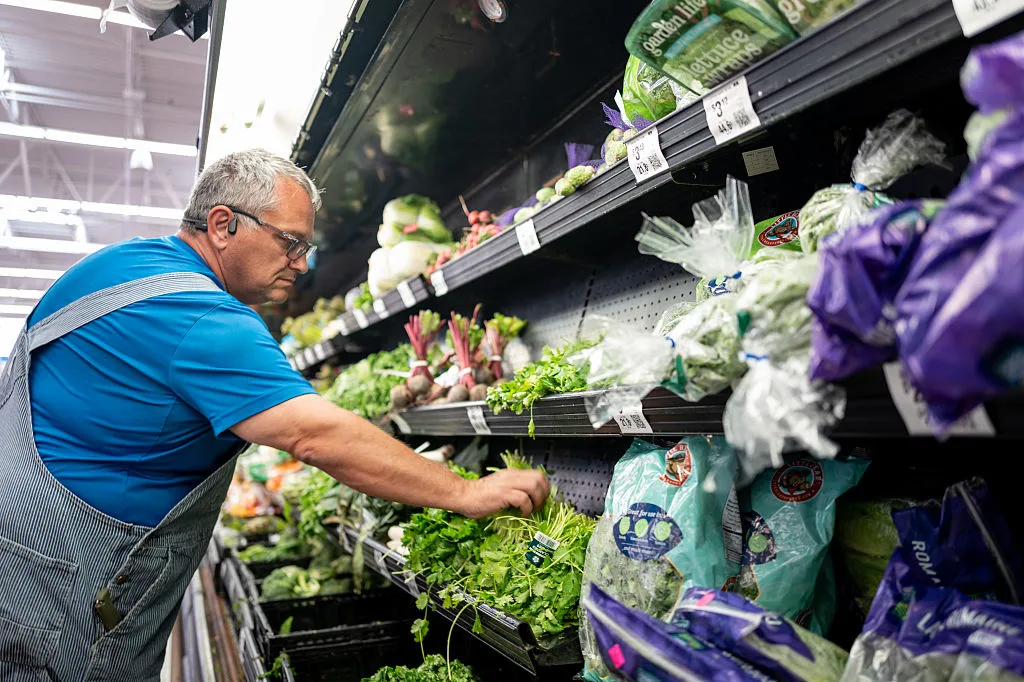
Michigan health officials confirmed the first two deaths linked to a national cyclosporiasis outbreak, marking a significant escalation in what is now the largest known outbreak of the parasitic illness in U.S. history. The fatalities, reported on August 3, 2026, involved individuals with significant underlying health conditions that may have been exacerbated by the infection, according to the Michigan Department of Health and Human Services (MDHHS). The deaths occurred as the outbreak spread to 45 states, with over 20,000 confirmed or suspected cases, according to state and federal health officials.
The CDC’s latest data, released on July 28, listed 6,707 laboratory-confirmed cases of cyclosporiasis across 45 states since May 1. However, state reports suggest the true scale of the outbreak exceeds this figure, with Michigan alone reporting 11,234 confirmed cases and Ohio tracking 4,087. These numbers highlight a six-week lag in federal reporting, as state data often includes suspected cases not yet confirmed through testing. The CDC has acknowledged awareness of the two Michigan deaths but has not issued a formal statement.
Cyclospora, a microscopic parasite transmitted through contaminated food or water, causes prolonged watery diarrhea, stomach cramps, and fatigue. While deaths from the illness are rare in the U.S., the two fatalities underscore risks for individuals with compromised health. Dr. Joel Kammeyer, a Wayne State University infectious disease specialist, called the deaths a “tragedy” but noted that cyclosporiasis is “relatively easy to treat” for otherwise healthy patients. He emphasized that dehydration from the illness could prove fatal for those with preexisting conditions.
The outbreak has been traced to iceberg lettuce supplied by Taylor Farms de Mexico, which issued a precautionary recall in July after epidemiological evidence linked the product to infections. The FDA confirmed that sample results from Taylor Farms were a “false positive,” but the company still removed the lettuce from distribution. The contaminated lettuce, sold to retailers and restaurant chains like Taco Bell, is believed to have been consumed before the recall. Taco Bell has since removed the supplier’s lettuce from its menu.
Federal health officials are investigating additional cyclospora outbreaks linked to unidentified food sources, complicating efforts to trace all transmission pathways. The CDC has identified lettuce from Mexico served at Taco Bell locations in nine states as a primary source of the current outbreak, with 1,947 cases and 98 hospitalizations linked to the product as of late July. The agency warned that other brands, restaurants, or distribution channels could also be involved.
Public health experts have raised concerns about the outbreak’s complexity, citing the parasite’s long incubation period and challenges in obtaining samples for genetic tracking. Unlike pathogens such as E. coli or listeria, cyclospora lacks standardized tools for rapid source identification. “Tracing the source of this outbreak is particularly tricky,” said a CDC official, noting that the delay in identifying the parasite’s origin has hindered containment efforts.
The crisis has reignited debates over federal agencies’ capacity to respond to foodborne illness outbreaks. Critics have pointed to recent cuts to the CDC’s decades-old federal-state partnership for monitoring foodborne illnesses, which some argue have weakened surveillance infrastructure. Health and Human Services Secretary Robert F. Kennedy Jr. stated in a July 21 briefing that the outbreak was “under control,” but experts have warned that reduced staffing and funding may have contributed to the spread of the illness and other recent outbreaks.
Legal action has also emerged, with attorney Ron Simon filing the first of what is expected to be many lawsuits against Taco Bell and Taylor Farms. “We filed the first lawsuit a few days ago in the United States against Taco Bell and Taylor Farms,” Simon said. “Taylor Farms and Taco Bell have 30 days to answer the lawsuit.”
Consumers are advised to avoid recalled produce and follow guidelines for washing and cooking fresh vegetables. While washing fruits and vegetables is recommended, experts caution that Cyclospora is difficult to eliminate entirely through rinsing. The FDA and CDC urge avoiding contaminated products until risks are resolved, even as they continue to monitor the situation.
The outbreak has drawn international attention, with UK health officials warning about cases contracted by returning travelers. Officials have linked this year’s widespread outbreak to lettuce imported from Taylor Farms in Mexico, a key supplier for many U.S. food establishments. The CDC recommends washing all produce under running water, including pre-washed items, but cautions that washing alone may not eliminate the parasite. Cooking to a high temperature remains the most effective preventive measure.
Former FDA Deputy Commissioner for Food Policy and Response Frank Yiannas called the deaths a “sobering reminder” of the importance of food safety. “Every preventable foodborne illness matters,” he said. “Prevention must always remain our highest priority.”
As the investigation continues, health officials emphasize that the outbreak’s full scope and long-term implications remain under review. The MDHHS has released new guidelines, including purchasing whole heads of lettuce, discarding outer layers, and cooking greens to 158°F (70°C) to kill the parasite. Meanwhile, the CDC and FDA are working to identify additional sources and prevent further illnesses.
"It’s a sobering reminder that foodborne illnesses should never be dismissed as 'just a stomach bug,'" said Yiannas, via USA TODAY.
Frank Yiannas, former FDA Deputy Commissioner for Food Policy and Response, via USA TODAY
"Why is there not more interest in cyclospora until an outbreak happens? The major reason is that nobody dies; there are very few deaths," said Dr. Robert Mandrell, via USA TODAY.
Dr. Robert Mandrell, former USDA official, via USA TODAY
How significant is this wire dispatch?
Cast your anonymous vote to register reader consensus across journalism and intelligence sectors.
Dateline Wire is dedicated to independent, evidence-backed reporting. This briefing was synthesized from primary source reporting, corroborated across independent newsrooms, and verified against our Editorial Standards.