New York declares statewide disaster emergency over measles outbreak
New York has declared a statewide disaster emergency following a surge in measles cases, expanding vaccine access as the U.S. faces its worst outbreak since 1991.
- Headline: New York declares statewide disaster emergency over measles outbreak
- Dispatch Summary: New York has declared a statewide disaster emergency following a surge in measles cases, expanding vaccine access as the U.S. faces its worst outbreak since 1991.
- Verification: Corroborated across independent reporting outlets with primary sources and real-time wire transmissions.
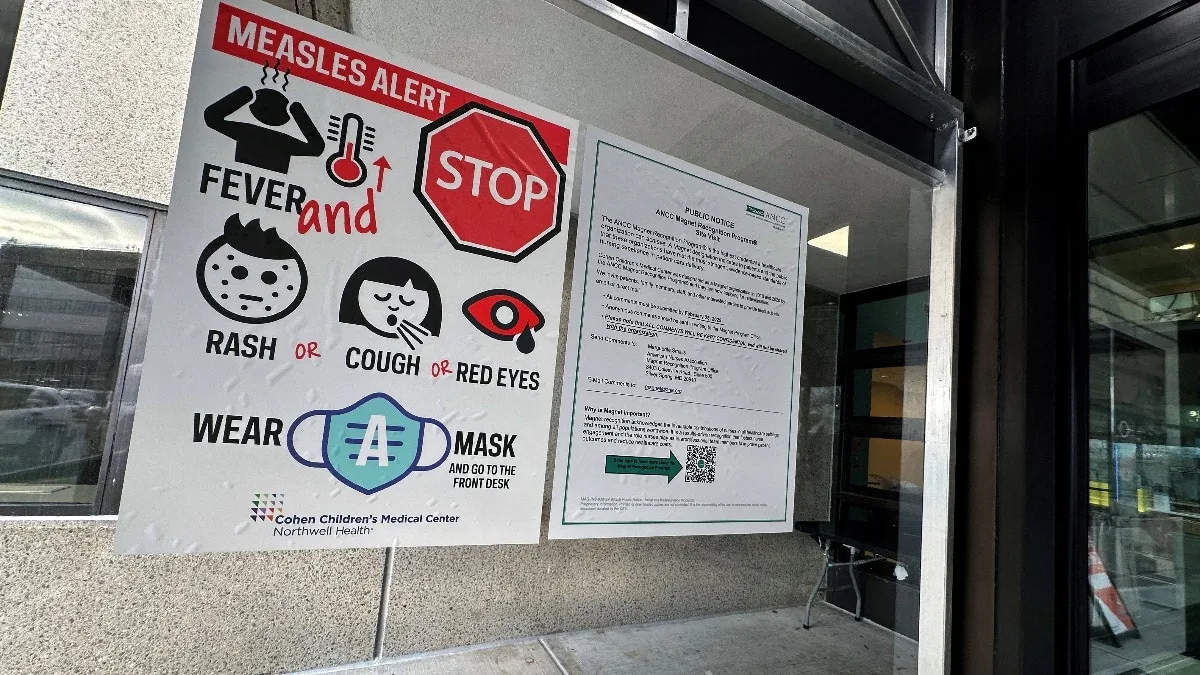
New York Declares Statewide Disaster Emergency Over Measles Outbreak
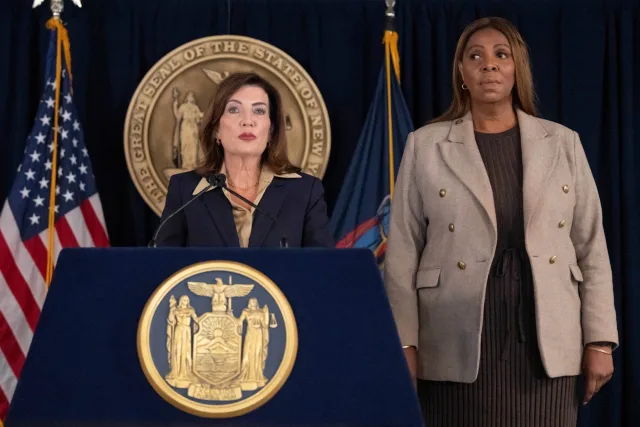
New York Governor Kathy Hochul declared a statewide disaster emergency on October 6, 2026, as measles cases surged across rural communities and neighboring states. This marks the first such declaration in the U.S. since the disease began reemerging in 2025. The order, effective through November 4, aims to accelerate vaccination efforts and expand the roles of healthcare professionals in combating the outbreak.
As of October 3, New York has recorded 108 measles cases this year, with 92 of those cases reported since July 15 in under-immunized rural areas across 18 counties. Seven cases were confirmed in New York City, while 101 cases were reported elsewhere in the state. The emergency declaration allows registered nurses to order measles tests and pharmacists to administer MMR vaccines to children aged two and above. All MMR vaccinations must now be reported to state or city immunization registries within 72 hours.
The outbreak has coincided with a severe measles crisis in Pennsylvania, where health officials announced 1,004 confirmed cases as of October 2, including five deaths. Pennsylvania’s outbreak, the largest in the U.S. since 1991, has been attributed to low vaccination rates. Similar trends are emerging in Texas, Utah, Ohio, and South Carolina, where outbreaks have also been reported.
Surge in Cases Linked to Falling Vaccination Rates
Health experts and officials have linked the measles resurgence to a decline in vaccination rates below the 95% threshold necessary to maintain herd immunity. The Centers for Disease Control and Prevention (CDC) reported that 92.4% of kindergartners received the MMR vaccine during the 2025-2026 school year, down from 95.2% in the 2019-2020 academic year. This decline has been exacerbated by parental vaccine exemptions, healthcare access challenges, and the influence of anti-vaccination advocacy.
The anti-vaccination movement has gained traction in recent years, with critics pointing to figures like Health and Human Services Secretary Robert F. Kennedy Jr., a Trump administration appointee known for his skepticism of vaccines. In Pennsylvania, the outbreak has sparked political tensions, particularly after the CDC initially omitted measles-related deaths from its public data dashboard. State officials later confirmed five fatalities, including two unvaccinated residents who died in August 2026.
“No one should get seriously ill or die from a vaccine-preventable disease,” Hochul stated in a press release. “These emergency measures will protect New Yorkers and support our community partners as they work tirelessly to address the spread of this disease.”
Expanded Vaccination Access and Public Health Measures
The emergency order expands the pool of healthcare professionals authorized to administer MMR vaccines, including paramedics, midwives, and advanced EMS providers. Nurses are now permitted to order measles testing, a move intended to streamline diagnosis and response efforts. Local health departments have administered over 1,000 MMR doses in rural areas since July 15, while the state has launched a “Measles Dashboard” to track case numbers and public health risks.
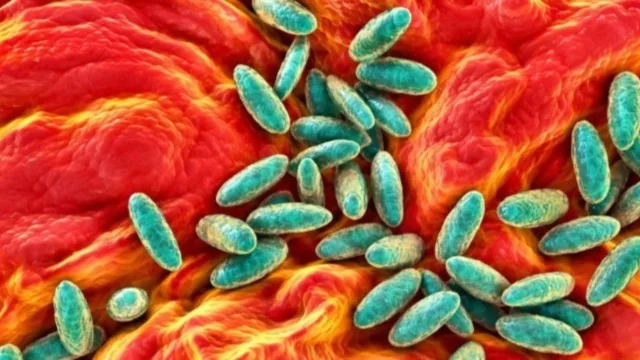
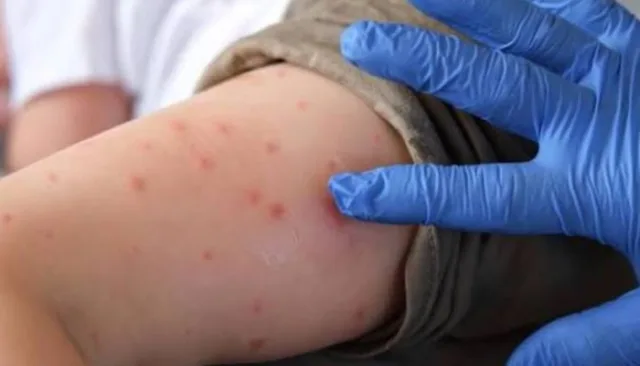
Measles, a highly contagious viral infection, spreads through respiratory droplets and can remain airborne for up to two hours. Symptoms include fever, cough, runny nose, and a characteristic red rash. Complications such as pneumonia, encephalitis, and death can occur, particularly in unvaccinated individuals. The CDC recommends two doses of the MMR vaccine—first at 12–15 months and a second between 4–6 years—to ensure long-term protection.
As of October 1, the U.S. has reported 3,887 confirmed measles cases in 2026, with 3,869 cases attributed to domestic transmission. International visitors accounted for 18 cases. The outbreak has also raised concerns about the potential loss of measles-free status for the U.S. and Mexico, as the Pan American Health Organization (PAHO) prepares to review the countries’ public health designations in November 2026.
| Detail | Information |
|---|---|
| New York measles cases (2026) | 108 total, 92 since July 15 |
| Pennsylvania measles cases (2026) | 1,004 total, 5 deaths |
| U.S. measles cases (2026) | 3,887 total |
| MMR vaccination rate (kindergartners, 2025-2026) | 92.4% |
| Emergency order duration | October 6–November 4, 2026 |
Frequently Asked Questions
How many measles cases have been reported in New York and Pennsylvania this year?
New York has recorded 108 measles cases as of October 3, 2026, with 92 cases reported since July 15. Pennsylvania has confirmed 1,004 cases as of October 2, 2026.
What factors are contributing to the measles outbreak?
The outbreak is linked to declining vaccination rates below the 95% threshold needed for herd immunity, driven by anti-vaccination advocacy, parental vaccine exemptions, and misinformation. Pennsylvania’s outbreak has also been exacerbated by low vaccination rates in certain communities, including Amish populations.
What measures are being taken to contain the outbreak?
New York’s emergency order expands vaccine administration to additional healthcare professionals, mandates faster reporting of MMR vaccinations, and includes public health initiatives like contact tracing and laboratory testing. The CDC recommends two doses of the MMR vaccine for children and emphasizes the importance of maintaining high vaccination coverage to prevent outbreaks.
The situation underscores the urgent need for public health interventions to reverse declining vaccination rates and address misinformation. As the U.S. approaches a critical review of its measles-free status by international health organizations, state and federal officials face mounting pressure to restore confidence in immunization programs and prevent further outbreaks.
How significant is this wire dispatch?
Cast your anonymous vote to register reader consensus across journalism and intelligence sectors.
Dateline Wire is dedicated to independent, evidence-backed reporting. This briefing was synthesized from primary source reporting, corroborated across independent newsrooms, and verified against our Editorial Standards.