CJP leaders Saurav Das and Ashutosh Ranka move Delhi HC against custody …
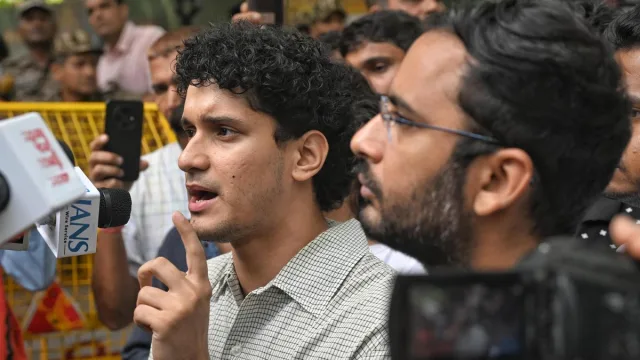
CJP co-convenors Saurav Das and Ashutosh Ranka have approached the Delhi High Court seeking an urgent hearing against the extension of their judicial custody following disputed surety rejections.
CJP leaders Saurav Das and Ashutosh Ranka withdraw Delhi HC plea against judicial custody
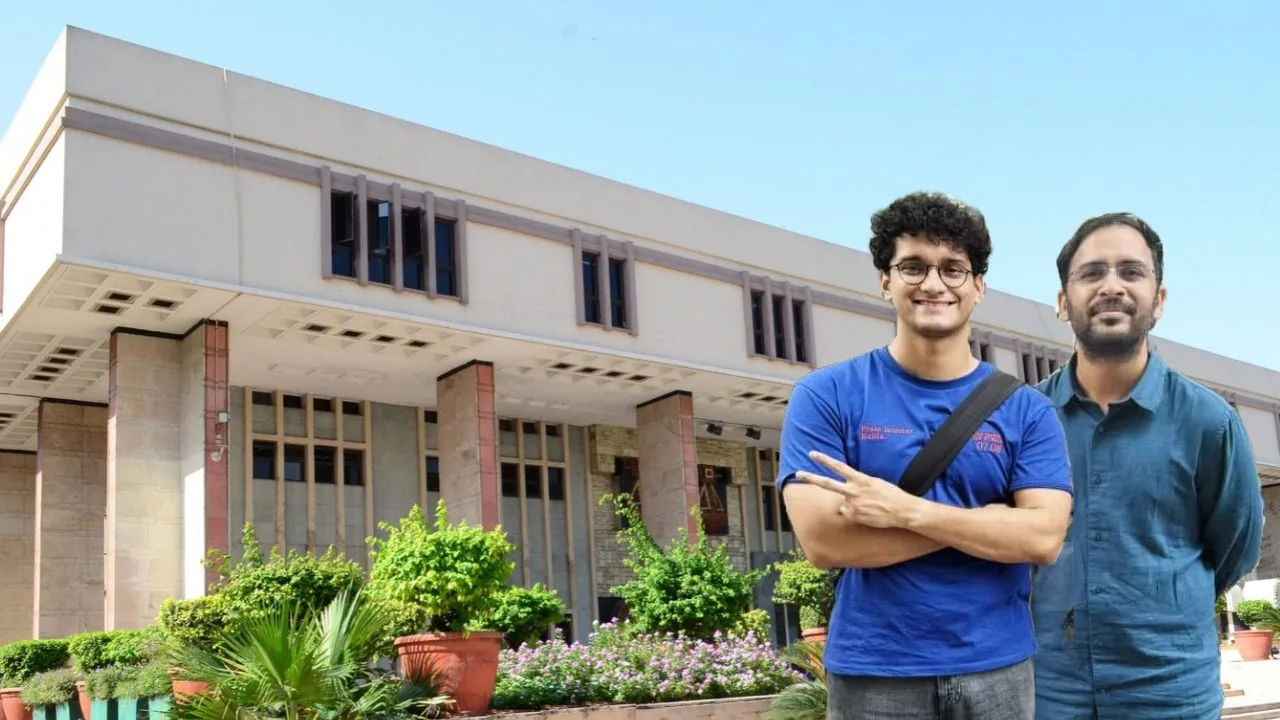
Cockroach Janta Party (CJP) co-conveners Saurav Das and Ashutosh Ranka on Wednesday withdrew their petition from the Delhi High Court challenging a Special Executive Magistrate's decision to extend their judicial custody in connection with a protest at Jantar Mantar. Justice Subramonium Prasad, who heard the matter during the court's Dussehra break, orally indicated that invoking Article 226 of the Constitution was not the appropriate legal remedy for challenging the remand order. The court advised the petitioners to await the outcome of proceedings scheduled before the Special Executive Magistrate (SEM) later in the day, clarifying that no observations had been made on the merits of the case and that the leaders could approach the appropriate appellate forum if their grievances remained unresolved.
That turnaround shifts the immediate battleground back from the capital's highest bench to the magistrate's court at Mandir Marg police station, where the defense must now test whether fresh sureties will satisfy the bench. As Justice Prasad questioned why the petitioners approached the High Court when the SEM was scheduled to hear the case, the ASG representing Delhi Police argued that both activists had been directed by the SEM court to furnish fresh sureties on Wednesday. When the matter is coming up today, why run here. Also, if it is a revisable order would it not be appropriate for you do withdraw this, see what happens at 2 PM [before SEM court] and then see what is available to you in law,
the court said. Lawyer Abhik Chimni for the two had argued that their custody extension was legally defective and sought the reasons for declining the previous sureties.
Detention Triggers And Jantar Mantar Protests
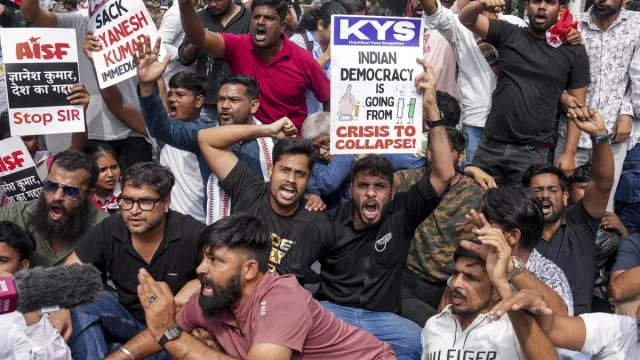
The sequence of detentions began on October 10 when Saurav Das and Ashutosh Ranka were detained upon arriving at Terminal 3 of the Indira Gandhi International Airport. Preventive proceedings were initiated against them the following day, after which they were released on executing bonds of 50,000 each. The situation escalated on October 13 when the two leaders, accompanied by 12 other individuals, arrived at Jantar Mantar carrying the national flag. According to Delhi Police, the group allegedly climbed a gate to enter the venue, which had been denotified as a protest site.
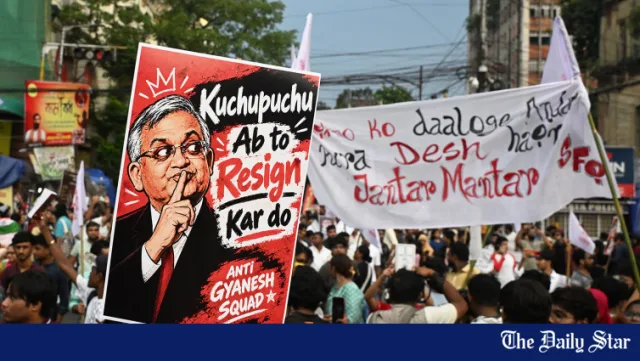
During the demonstration, participants raised slogans demanding the resignation of Chief Election Commissioner Gyanesh Kumar over alleged irregularities in the Special Intensive Revision (SIR) of electoral rolls. The Election Commission has denied allegations of political bias in the revision process.
Police personnel intervened, detained the individuals, and registered FIRs in connection with the incident. Das and Ranka were subsequently shown as arrested under Sections 126 and 170 of the BNSS on October 14 and remanded to five days of judicial custody. That initial five-day judicial custody ended on October 19, setting the stage for the contested custody extension.
Surety Rejections And Legal Arguments
When the initial five-day custody period ended, defense counsel submitted fresh sureties. The Special Executive Magistrate rejected these submissions, citing concerns regarding identity verification. A newly appointed Special Executive Magistrate at Mandir Marg police station then ordered their continued judicial detention until October 21 under Section 135(3) of the BNSS, citing apprehensions of a breach of peace.
In their writ petition, Das and Ranka contended that the magistrate's order contained no independent assessment of the threat and instead adopted the investigating officer's application. Citing the Delhi High Court's judgment in Asha Pant v. State (2008), their petition argued that mechanically adopting police material makes the exercise of power vulnerable to invalidation. They further cited the 2018 Delhi High Court judgment in Aldanish Rein v. State of NCT of Delhi, which held that an arrested person should be released on a personal bond after submitting surety bonds, pending verification. The petition stated that the mandatory procedure under Section 140 BNSS was not followed for rejecting the surety.
| Legal Principle / Citation | Petitioner's Argument | State Position |
|---|---|---|
| Aldanish Rein v. State (2018) | Must release on personal bond during surety verification | Sureties can be rejected if found unsatisfactory after inquiry |
| Asha Pant v. State (2008) | Magistrate cannot mechanically adopt police threat applications | Custody extension justified by apprehension of public disorder |
| Article 21, Constitution | Continued detention despite submitted bonds violates personal liberty | Preventive detention necessary to stop further protests at denotified sites |
The plea further argued that restricting liberty in the interest of public order requires a proximate and real nexus with a disturbance of public order
and not a remote possibility, pointing out that the issue of protest at a denotified site is, at its highest, a question of regulation rather than a threat to public order. You are at the forefront (of the protest). When you break barricade, there are chances that more people may follow. There might be persons who may not be under your control,
the court noted regarding the crowd dynamics.
Escalation To The Crime Branch
While the leaders' legal team initially pressed for urgent relief before the high court, law enforcement authorities moved to intensify the investigation. The Delhi Police on Tuesday transferred the cases registered against CJP leaders Saurav Das and Ashutosh Ranka to the Crime Branch.
The state has consistently opposed the release of the CJP leaders, citing concerns over public order, alleged violations of protest restrictions, and the possibility of further mobilisation. Defence counsel countered that the state provided no factual basis or statement on record to support claims of an imminent threat, noting that holding a protest at a denotified site should be treated as a matter of regulation rather than automatically considered a threat to public order.
Following the withdrawal of the high court petition, Das and Ranka awaited the afternoon proceedings before the Special Executive Magistrate on Wednesday, October 21.
Updated 3 times since publication; last update 12 November 2026, 11:34.