Christa Pike remains unconscious on ventilator after failed Tennessee ex…
Tennessee death row inmate Christa Pike is in critical condition following a failed lethal injection that left her with severe burns and blistering on her arms.
- Headline: Christa Pike remains unconscious on ventilator after failed Tennessee ex…
- Dispatch Summary: Tennessee death row inmate Christa Pike is in critical condition following a failed lethal injection that left her with severe burns and blistering on her arms.
- Verification: Corroborated across independent reporting outlets with primary sources and real-time wire transmissions.
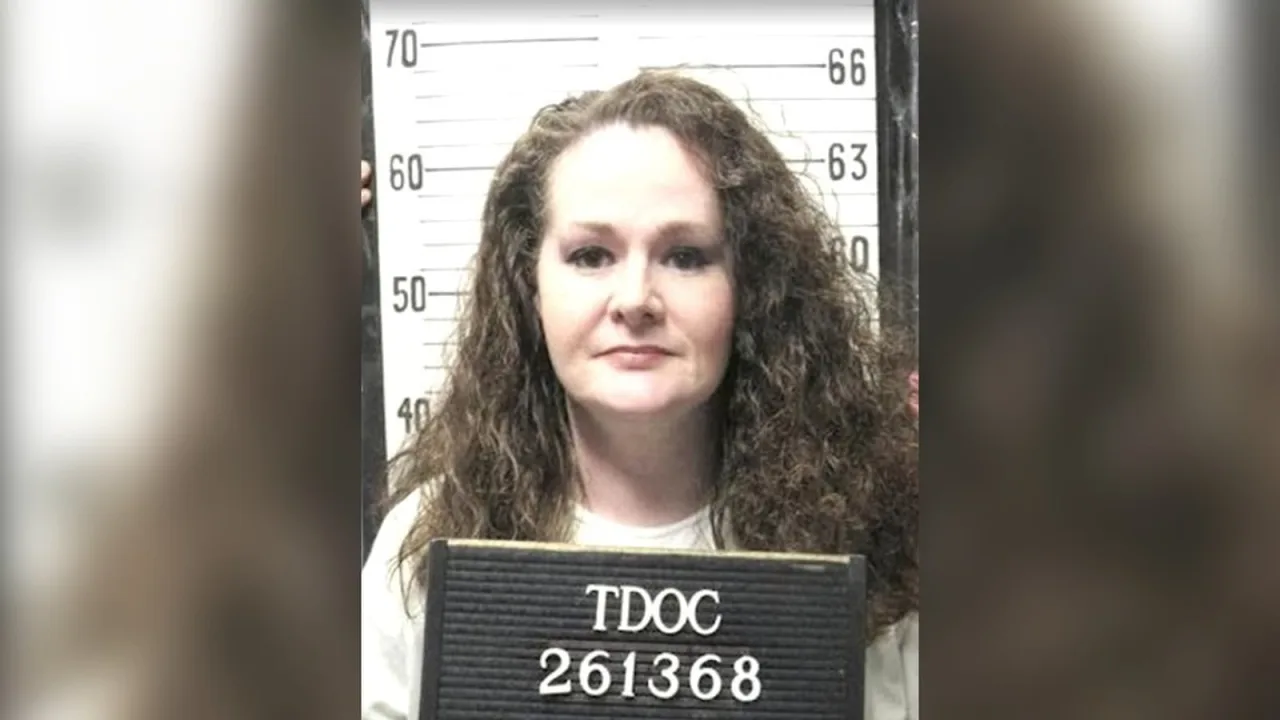
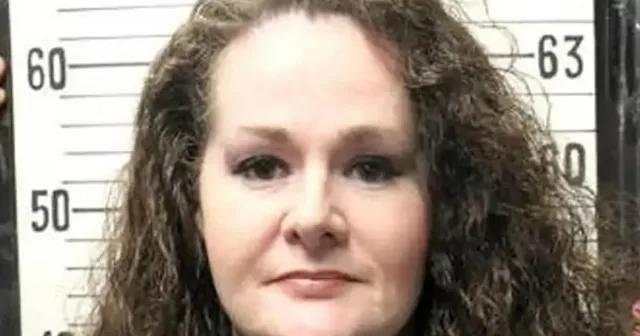
Christa Pike, a 50-year-old Tennessee death row inmate, remains unconscious and critically ill on a ventilator after a botched lethal injection on Wednesday, according to court filings and legal representatives. The failed execution, which involved two doses of pentobarbital, left Pike with severe burns and blistering on her arms, as prison staff worked to clear the drug from her system. The incident has triggered a statewide review of execution procedures and intensified scrutiny of the death penalty’s viability in the United States.
Pike’s Critical Condition and Medical Aftermath
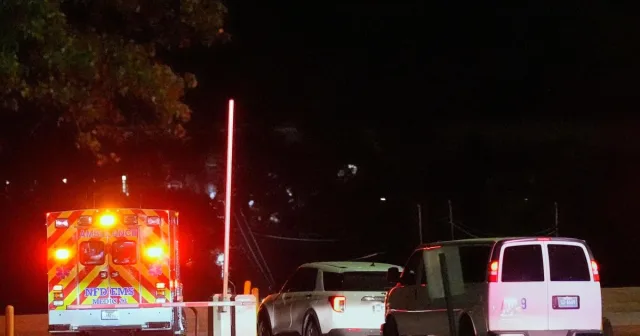
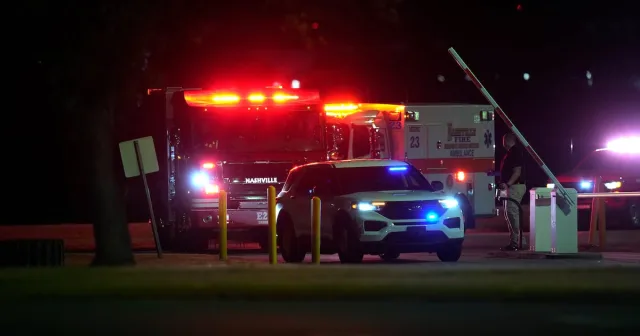
Pike was hospitalized following the execution attempt at the Riverbend Maximum Security Institution, where she was scheduled to become the first woman executed in Tennessee in over two centuries. Her attorneys reported that she was intubated and receiving mechanical ventilation, with both arms swollen, burned, and blistered from the failed procedure. A court filing detailed that prison officials attempted to establish intravenous access using at least seven needles, including one that was removed at a 90-degree angle. The legal team alleged that the execution team failed to recognize that the pentobarbital was entering Pike’s tissue rather than her bloodstream, leading to severe physical distress.
Pike reportedly cried out during the procedure, saying, “My arm feels like it’s about to burst open,” and asked, “Does this happen like that?” Her attorneys claimed she remained conscious throughout the process, despite the state’s assertion that she had lost awareness. Hospital staff were described as “working furiously to save her life” as of late Thursday, with the focus on mitigating the effects of the drug overdose.
| Detail | Information |
|---|---|
| Number of IV attempts | At least seven needles, including one bent at a 90-degree angle |
| Drug administered | Two doses of pentobarbital, a barbiturate used in lethal injections |
| Medical condition | Unconscious, intubated, and on a ventilator; burns and blistering on both arms |
| Legal action | Emergency motion to preserve execution chamber evidence |
Execution Protocol Failures and Legal Disputes
The execution team’s handling of Pike’s IV lines became a focal point of the legal dispute. Her attorneys argued that prison officials failed to address “blown veins” or improperly placed lines, instead proceeding with a backup dose of pentobarbital. A court filing stated, “Apparently at no point did any member of the execution team realize that the IV lines were not correctly placed or that the veins had blown and that the pentobarbital was, in whole or in part, entering Ms. Pike’s body.” The lawyers emphasized that Pike had a documented history of difficult IV access due to a rare blood condition, which they claimed was ignored during the procedure.
Tennessee’s Department of Corrections maintained that the execution followed “lawful, established protocol,” but the state’s governor, Bill Lee, ordered a third-party review of the incident. Lee, a Republican, suspended all executions for the remainder of 2026, calling the event a “tragedy” and vowing to “make sure that happens” in the future. The review will examine whether the single-drug pentobarbital protocol should be replaced with alternative methods, such as firing squads or hanging, as Pike’s attorneys had previously urged.
Pike’s legal team also highlighted that her request for an all-female execution team appeared to be honored, a detail that emerged during the hour-long setup for the lethal injection. Her attorney, Randy Spivey, described Pike as “kind, cooperative, and at peace” throughout the process, noting she spoke with her spiritual adviser and executioners before the first dose was administered.
Broader Implications for the Death Penalty
The failed execution has reignited national debates about the death penalty’s effectiveness and morality. The Death Penalty Information Center called the incident “the worst we’ve ever seen,” citing Pike’s survival as a rare occurrence in modern execution history. The United Nations High Commissioner for Human Rights, Volker Turk, condemned the “prolonged suffering” caused by the botched attempt, urging the U.S. to follow global trends toward abolition.
Pike’s case also underscores the challenges states face in securing lethal injection drugs. Pharmaceutical companies in Europe, where most executions occur, have banned sales to U.S. prisons, forcing states to rely on unregulated compounding pharmacies. Tennessee switched to pentobarbital in 2024, but the source of the drug used in Pike’s execution remains undisclosed, according to her attorneys.
Meanwhile, Pike’s legal team has sought to preserve evidence from the execution chamber, including video footage and medical records, to support claims of procedural negligence. The case could set a precedent for future challenges to lethal injection protocols, particularly in states with a history of execution failures.
Frequently Asked Questions
What is Christa Pike’s current medical condition?
Pike remains unconscious and on a ventilator, with burns and blistering on both arms. Medical staff are working to remove pentobarbital from her system, and her condition is described as critical.
Can Tennessee attempt to execute Pike again?
The state has indefinitely suspended all executions for 2026, and a third-party review is underway. No official decision has been made about future attempts, but Pike’s attorneys have raised legal challenges to the process.
What role did the execution team play in the failure?
The team reportedly used at least seven needles to establish IV access, with one bent at a 90-degree angle. Pike’s attorneys allege that officials failed to recognize the drug was entering her tissue rather than her bloodstream, leading to severe complications.
The next critical development will be the outcome of the third-party review, which could influence Tennessee’s execution protocols and the broader national conversation on capital punishment. For now, Pike’s survival—and the graphic details of her suffering—have cast a stark light on the unresolved flaws in the death penalty system.
How significant is this wire dispatch?
Cast your anonymous vote to register reader consensus across journalism and intelligence sectors.
Dateline Wire is dedicated to independent, evidence-backed reporting. This briefing was synthesized from primary source reporting, corroborated across independent newsrooms, and verified against our Editorial Standards.