Christa Pike in critical condition after Tennessee’s failed execution at…
Tennessee indefinitely suspended all executions and ordered an independent review after inmate Christa Pike survived a botched lethal injection.
- Headline: Christa Pike in critical condition after Tennessee’s failed execution at…
- Dispatch Summary: Tennessee indefinitely suspended all executions and ordered an independent review after inmate Christa Pike survived a botched lethal injection.
- Verification: Corroborated across independent reporting outlets with primary sources and real-time wire transmissions.
Christa Pike, a 50-year-old death row inmate in Tennessee, survived a lethal injection on Wednesday night, leaving her in critical condition after two doses of the barbiturate pentobarbital failed to kill her. The botched execution, described as “unprecedented” by death penalty experts, forced the state’s governor to suspend all capital punishment proceedings and launch an independent investigation.
Failed Execution and Immediate Aftermath
Pike, who was sentenced to death in 1995 for the murder of 19-year-old Colleen Slemmer, was scheduled to be executed at 10am Wednesday. However, an appeals court halted the process an hour before the scheduled time, citing concerns about her claims of childhood sexual abuse during her original sentencing. The U.S. Supreme Court later overturned the stay, allowing the execution to proceed.
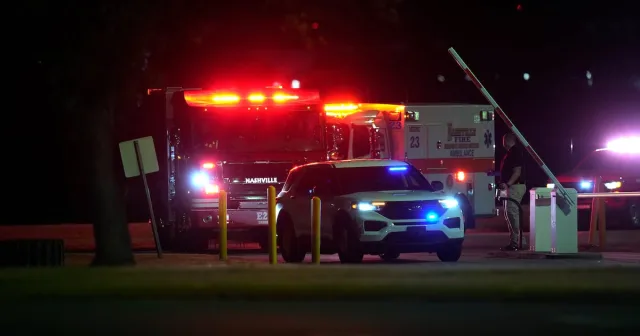
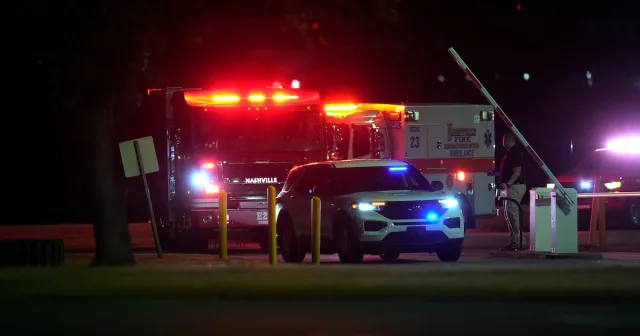
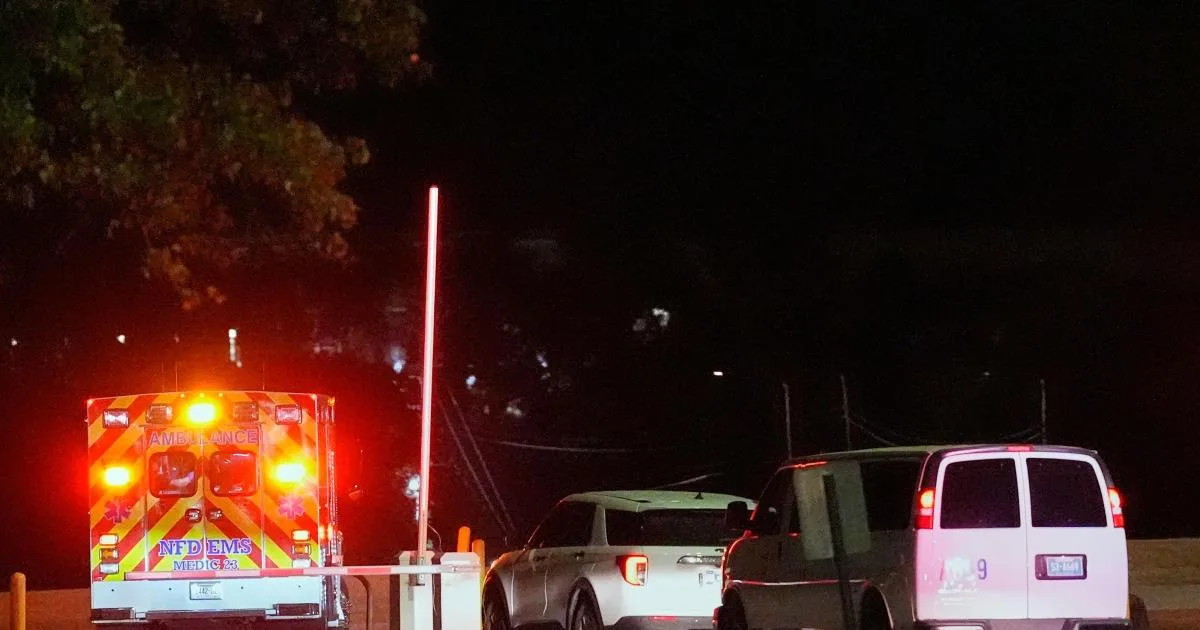
During the procedure, Pike received two doses of pentobarbital, the state’s sole lethal injection drug, but remained conscious for over an hour. Witnesses reported hearing her snoring and speaking during the attempt, with her attorneys later describing the process as “cruel and torturous.” Pike was transported to a hospital after the second dose and was reported in “critical condition” on Thursday, receiving “lifesaving care.”
Her legal team alleged that prison officials struggled to locate a viable vein for the injections, using at least seven needles on her left arm. One needle bent during the process, and Pike reportedly asked prison staff if her arm was “supposed to feel that way.” The Tennessee Department of Correction stated it followed “lawful, established execution protocol,” but the state’s protocol does not outline procedures for cases where an inmate survives the second dose.
Governor’s Response and Suspension of Executions
Republican Governor Bill Lee called the outcome “deeply disturbing” and announced an indefinite suspension of all executions in Tennessee. He ordered an independent review of the incident, stating, “The people deserve better than that.” The suspension affects Pike’s case and the state’s only other scheduled execution of Gary Wayne Sutton in December.
Lee’s decision followed pressure from Pike’s attorneys, who argued the execution violated her rights to be free from “cruel and unusual punishment.” The governor also faced criticism from Slemmer’s mother, May Martinez, who traveled to Nashville to witness the execution but described the outcome as a failure to deliver justice. “I didn’t get justice for my daughter,” Martinez said.
The incident marks the second time this year that Tennessee has failed to carry out an execution. In May, officials aborted the lethal injection of Tony Carruthers after struggling to insert an IV line. Both cases have raised questions about the reliability of the state’s single-drug protocol, which replaced a three-drug series in 2024 amid concerns over drug testing and availability.
Legal and Historical Context
Pike’s case has drawn national attention due to its historical significance. If executed, she would have been the first woman put to death in Tennessee in over 200 years. Her murder of Slemmer, a classmate at a job training facility in Knoxville, was marked by brutality and the carving of a pentagram on the victim’s body, fueling fears of Satanic cult activity during the 1980s and 1990s.
Pike’s attorneys highlighted her mental health struggles, including a diagnosis of bipolar disorder and post-traumatic stress disorder, as well as allegations of childhood sexual abuse. They argued these factors should have mitigated her sentence, but the U.S. Supreme Court rejected her clemency petition in 2026.
The Death Penalty Information Center’s Robin Maher called Pike’s survival “singular and unparalleled,” noting that seven other inmates have survived execution-related medical complications but none have lived after receiving lethal injection drugs. Maher criticized Tennessee’s “extreme secrecy” around its procedures, stating, “This failed attempt is the worst we’ve ever seen.”
| Detail | Information |
|---|---|
| Execution Date | Wednesday, October 1, 2026 |
| Drugs Administered | Two doses of pentobarbital |
| Survival After Doses | Alive and in critical condition |
| Previous Execution Failures in 2026 | One (Tony Carruthers in May) |
| Governor’s Suspension | Indefinite; affects all executions |
| Legal Challenges | Emergency motions filed by Pike’s attorneys |
Frequently Asked Questions
Why did the execution fail?
Officials struggled to administer pentobarbital, with Pike’s attorneys alleging multiple failed IV attempts and a bent needle. The state’s protocol does not specify procedures for cases where an inmate survives the second dose.
What happens next for Christa Pike?
Pike remains in critical condition at a hospital. The governor has ordered an independent review, and her legal team is seeking a commutation of her death sentence. The state has not yet provided a prognosis for her health.
How has this affected Tennessee’s death penalty?
The governor suspended all executions indefinitely and called for a comprehensive investigation. The incident has intensified debates over the reliability of lethal injection protocols and the ethical implications of capital punishment.
The outcome of Pike’s case will likely shape the future of capital punishment in Tennessee and beyond. As the state grapples with the fallout, the incident underscores the ongoing controversies surrounding the death penalty, including questions of procedural fairness, medical ethics, and the human cost of execution failures.
How significant is this wire dispatch?
Cast your anonymous vote to register reader consensus across journalism and intelligence sectors.
Dateline Wire is dedicated to independent, evidence-backed reporting. This briefing was synthesized from primary source reporting, corroborated across independent newsrooms, and verified against our Editorial Standards.