Lindsay Clancy returns to court as defense seeks to dismiss murder case
Defense attorneys for Lindsay Clancy are pushing to dismiss murder charges after a 11-1 jury deadlock. A November 2 hearing will address motions to dismiss and retrial timelines.
- Headline: Lindsay Clancy returns to court as defense seeks to dismiss murder case
- Dispatch Summary: Defense attorneys for Lindsay Clancy are pushing to dismiss murder charges after a 11-1 jury deadlock. A November 2 hearing will address motions to dismiss and retrial timelines.
- Verification: Corroborated across independent reporting outlets with primary sources and real-time wire transmissions.
Lindsay Clancy Returns to Court as Defense Seeks Dismissal
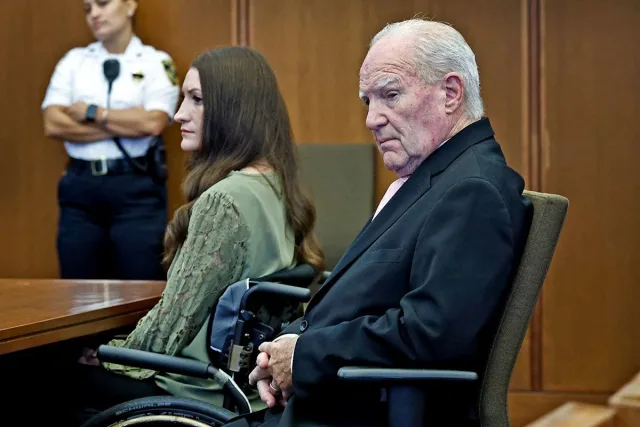
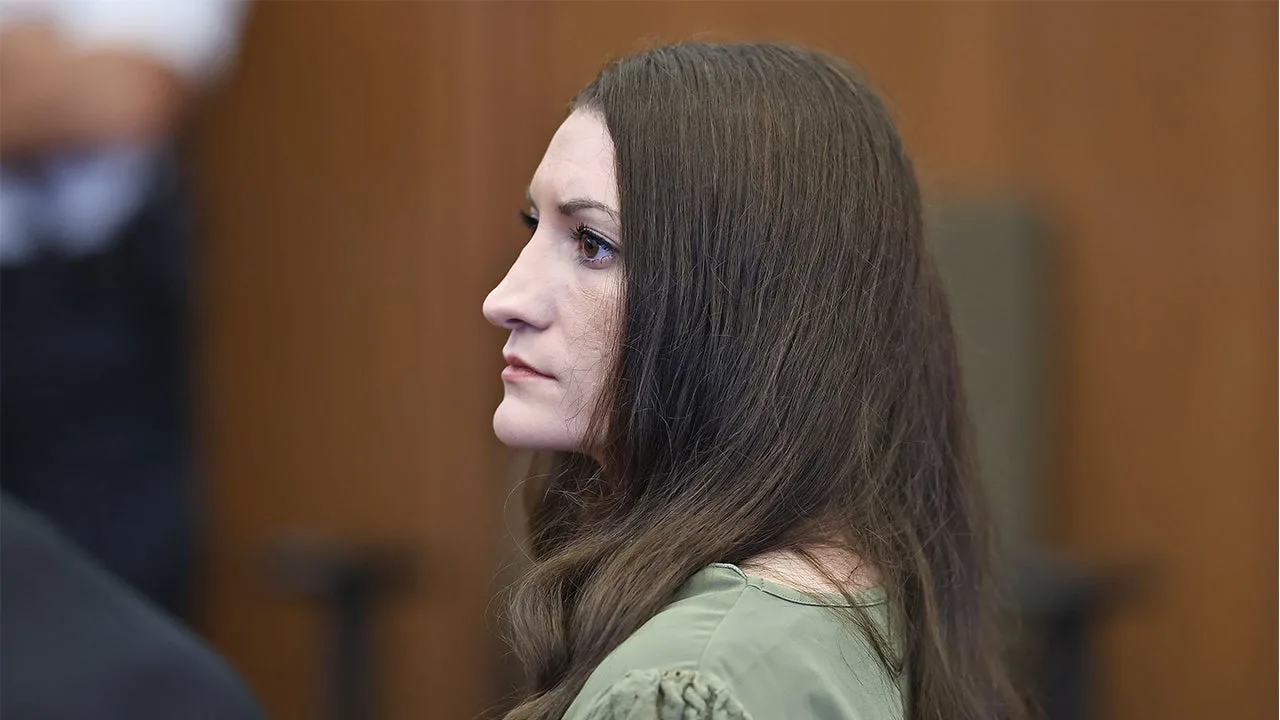
Lindsay Clancy, the Massachusetts mother accused of murdering her three children in 2023, returned to Plymouth Superior Court on September 29 for the first time since a mistrial was declared in her murder case. The hearing focused on defense motions to dismiss the charges, arguing that a retrial would violate her constitutional protections against double jeopardy. Prosecutors, however, emphasized that the evidence presented during the initial trial was sufficient to warrant a second proceeding.
The mistrial, declared on September 4, stemmed from a 11-1 jury deadlock. Eleven jurors reportedly favored finding Clancy not guilty by reason of insanity, while the holdout juror, identified as Michael Desronvil, refused to accept the verdict. Desronvil, who has since spoken publicly, stated he “didn’t have any doubts” about Clancy’s guilt and urged the court to refocus attention on her children, whom he referred to as “the three angels.”
Defense Attacks Evidence, Prosecutors Defend Case
Defense attorney Kevin Reddington, representing Clancy, argued during the hearing that the prosecution failed to prove she knowingly committed the killings. “There’s a total and complete lack of evidence to indicate to a rational juror that she was guilty,” Reddington stated, citing the absence of direct admissions from Clancy and what he described as a “horrendous” police investigation. He also criticized public figures, including former President Donald Trump, for framing Clancy as a “demon” and fueling calls for her execution.
Prosecutor Shanan Buckingham countered that the defense’s argument was “laughable,” emphasizing that the trial produced “voluminous” evidence of Clancy’s culpability. She reiterated that mental illness alone does not negate criminal responsibility, a key legal standard in Massachusetts. “People can still have criminal responsibility despite a mental illness,” Buckingham said, highlighting the state’s legal framework for evaluating insanity defenses.
Reddington also sought to challenge the holdout juror’s role, alleging that Desronvil disregarded judicial instructions and should have been removed from the panel. However, Desronvil’s attorney, Edward Paltzik, defended his client’s actions, stating he “rigidly applied the reasonable doubt standard.” The court scheduled a November 2 hearing to address these claims and other motions, including a potential gag order to limit extrajudicial statements by attorneys.
Jury Notes and Legal Precedents at Stake
A central issue in the hearing was the admissibility of jury notes and deliberations. Prosecutors opposed unsealing the notes, warning that public disclosure could deter future jurors from participating in trials. Assistant District Attorney Jennifer Sprague argued that exposing sensitive communications would create a “chilling effect” on the judicial system. The defense, however, sought access to the notes to support its motion to dismiss, claiming the holdout juror’s behavior warranted a retrial.
The court also considered a motion by the defense to have Clancy declared not guilty under Massachusetts’ Rule 25, which allows for a finding of not guilty if prosecutors fail to prove their case. The prosecution countered that the evidence, including Clancy’s own admissions and forensic findings, was sufficient to justify a retrial. Judge William Sullivan deferred a decision on these motions, setting a November 2 hearing to resolve outstanding legal disputes.
| Detail | Information |
|---|---|
| Mistrial Date | September 4, 2026 |
| Jury Split | 11-1 deadlock on guilt or insanity |
| Holdout Juror | Michael Desronvil, who refused to convict Clancy |
| Next Hearing | November 2, 2026, to address motions and retrial timelines |
Prosecutors Weigh Retrial Options
Plymouth County District Attorney Tim Cruz has yet to announce whether he will pursue a retrial. The prosecution faces multiple options, including retrying Clancy on first-degree murder charges, which carry a mandatory life sentence, or seeking a plea deal. Prosecutors also considered lesser charges, such as second-degree murder, which would allow Clancy to waive a jury trial and have the case decided by a judge.
Clancy, 36, remains at Tewksbury Hospital, where she is on suicide watch. Her children—Cora, Dawson, and Callan—were killed in January 2023 when she allegedly strangled them with exercise bands. Clancy’s defense has consistently argued that she was suffering from postpartum psychosis at the time, a claim prosecutors have disputed.
Frequently Asked Questions
Why did the jury deadlock in Lindsay Clancy’s trial?
The jury deadlocked 11-1 on whether Clancy was guilty or should be found not guilty by reason of insanity. Eleven jurors reportedly believed she was not criminally responsible due to mental illness, while the holdout juror, Michael Desronvil, refused to accept that verdict.
Can Lindsay Clancy be retried after a mistrial?
Yes, a mistrial does not preclude a retrial. Prosecutors argue there is sufficient evidence to justify another trial, while the defense claims a retrial would violate Clancy’s double jeopardy rights. A November 2 hearing will determine the case’s next steps.
The case remains in limbo as both sides prepare for the November hearing. With Clancy’s legal team pushing to dismiss the charges and prosecutors weighing their options, the outcome of the upcoming court date could define the trajectory of one of Massachusetts’ most high-profile murder cases. For now, Clancy remains in a psychiatric hospital, awaiting the court’s decision on her future.
How significant is this wire dispatch?
Cast your anonymous vote to register reader consensus across journalism and intelligence sectors.
Dateline Wire is dedicated to independent, evidence-backed reporting. This briefing was synthesized from primary source reporting, corroborated across independent newsrooms, and verified against our Editorial Standards.