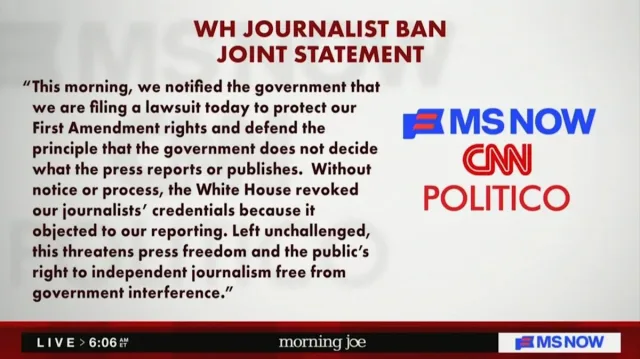
White House accused of violating court order to restore press access
Reporters from three major news outlets claim they were denied entry and had credentials confiscated despite a federal judge's order to reinstate their access.
- Headline: White House accused of violating court order to restore press access
- Dispatch Summary: Reporters from three major news outlets claim they were denied entry and had credentials confiscated despite a federal judge's order to reinstate their access.
- Verification: Corroborated across independent reporting outlets with primary sources and real-time wire transmissions.
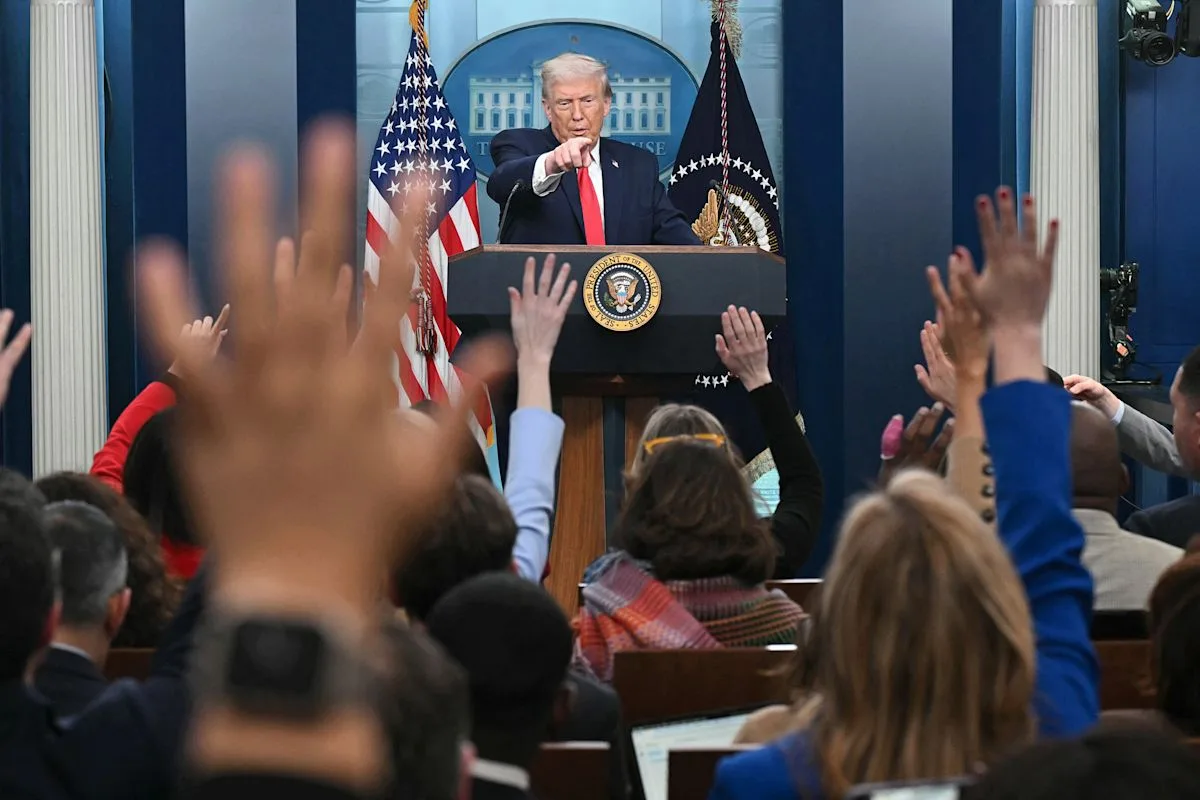
White House Faces Accusations of Defying Court Order to Restore Press Access
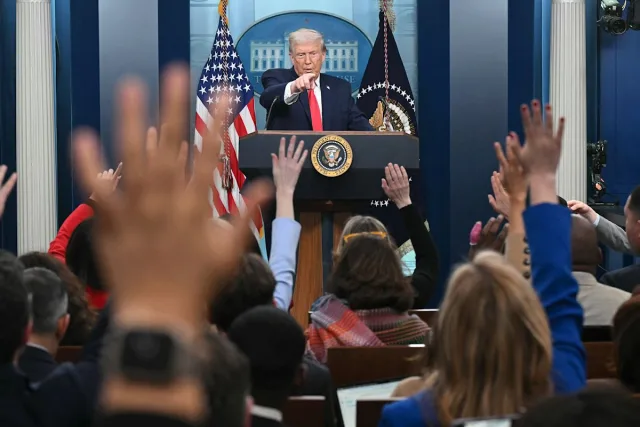
A federal judge’s order to restore press access to the White House for CNN, MS NOW, and Politico has been met with continued resistance, as reporters from the outlets claim they were denied entry and had their credentials confiscated on Thursday. The standoff, which erupted after President Donald Trump abruptly banned the three networks in late September, has intensified tensions over press freedoms and government accountability. The legal battle began on September 18, when Trump announced the ban, accusing the outlets of publishing “FAKE NEWS” and “fiction or lies” about his administration. The White House later cited national security concerns, but a federal judge, Timothy Kelly, ruled that the revocation of press passes lacked constitutional due process. In a temporary restraining order issued early Thursday, Kelly mandated that the administration “immediately return, reinstate, and restore” access to the outlets for 14 days. However, journalists from all three organizations reported being turned away from the White House, with some having their “hard passes” confiscated by Secret Service agents.Judge Criticizes White House’s Vague Standards for Revoking Press Access
Judge Kelly’s ruling highlighted the administration’s failure to provide clear legal grounds for the ban. The judge noted that the White House’s justification for revoking the outlets’ credentials, “standards of professionalism and decorum”, was “so vague it hardly does the trick.” He emphasized that journalists must be given notice and an opportunity to challenge any revocation of access, a principle established in prior court decisions. The administration had argued that the outlets had “trafficked in verifiable falsehoods about national security” and “published sensitive or classified information,” but Kelly found these claims unsupported. He also questioned the administration’s stated motive, citing Trump’s public statements that the ban was driven by content-based grievances rather than genuine security concerns.| Detail | Information |
|---|---|
| Outlets Involved | CNN, MS NOW, Politico |
| Judge’s Ruling | Temporary restraining order to restore press access for 14 days, citing due process violations |
| White House Justification | Initially “fake news,” later national security; no clear legal standards provided |
| Reporters’ Experiences | Credentials confiscated; some denied entry despite court order |
Media Outlets Accuse White House of Non-Compliance
Despite the court’s directive, reporters from the banned outlets faced continued obstruction. CNN’s senior White House correspondent, Betsy Klein, was denied access, while a producer was allowed in. MS NOW’s Laura Barrón-López and a producer had their passes confiscated, though another producer was permitted entry. Politico’s reporter was also barred and had his credentials taken. The outlets filed an emergency court filing, alleging that the White House had “repeatedly violated” the judge’s order. Their lawyers demanded an immediate hearing, citing the administration’s failure to respond to inquiries about the continued denial of access. Kelly gave the White House until midday Thursday to address the allegations, with a hearing scheduled to determine whether the administration had defied the order.Broad Media Solidarity and Historical Precedents
The dispute has drawn widespread support from other media organizations. Over 50 outlets, including Fox News, The New York Times, and The Washington Post, filed amicus briefs backing the lawsuit. Major TV networks, ABC, CBS, NBC, and Fox News, suspended their participation in the White House press pool in solidarity, disrupting televised coverage of presidential events. Historical context reveals recurring tensions between administrations and the press. The Obama administration once sought to exclude Fox News from a press pool in 2009, but relented after objections from other networks. Similarly, Trump’s previous clashes with journalists, such as the revocation of CNN’s Jim Acosta’s press pass in 2018, have set precedents for legal challenges.White House Legal Strategy and Potential Appeals
The Trump administration has signaled it may appeal the ruling, with the president expressing intent to challenge any adverse decisions. White House lawyers argued in court that access to the White House is a “privilege, not a right,” and that the ban was necessary to enforce “professionalism and decorum.” However, the judge’s order explicitly rejected this argument, reinforcing the legal principle that press access is protected under the First Amendment. The case also raises questions about the White House’s broader strategy to limit media coverage. In recent months, the administration has launched alternative platforms, such as “TRUMP TV: The Essentials Station,” to bypass traditional broadcast networks. Critics argue these moves reflect an effort to control the narrative and circumvent independent journalism.Frequently Asked Questions
Frequently Asked Questions
What did the court order require the White House to do?
The court ordered the White House to immediately restore press access for CNN, MS NOW, and Politico, ruling that their exclusion likely violated constitutional due process rights. The judge mandated that the administration “return, reinstate, and restore” their credentials for 14 days.
Why is the White House accused of violating the court order?
Reporters from the three outlets claim they were denied entry to the White House on Thursday, with some having their press credentials confiscated. The White House has not provided a clear explanation for the continued obstruction, leading the outlets to allege non-compliance with the court’s directive.
What are the potential consequences of the White House’s actions?
If the administration is found to have violated the court order, it could face legal penalties, including fines or further judicial intervention. The case also sets a precedent for future disputes over press access, with implications for the balance between government authority and journalistic freedom.
The next critical step in the legal battle will be a hearing to determine whether the White House has defied the court’s order. Meanwhile, the standoff underscores the ongoing struggle between presidential power and the press’s role in holding leaders accountable. As the dispute unfolds, the outcome could reshape the boundaries of press freedom in the United States.
How significant is this wire dispatch?
Cast your anonymous vote to register reader consensus across journalism and intelligence sectors.
Dateline Wire is dedicated to independent, evidence-backed reporting. This briefing was synthesized from primary source reporting, corroborated across independent newsrooms, and verified against our Editorial Standards.