Trump defends Iran war during Veterans Day speech at Arlington
During his Veterans Day address at Arlington National Cemetery, President Trump defended U.S. military operations in Iran and highlighted VA achievements.
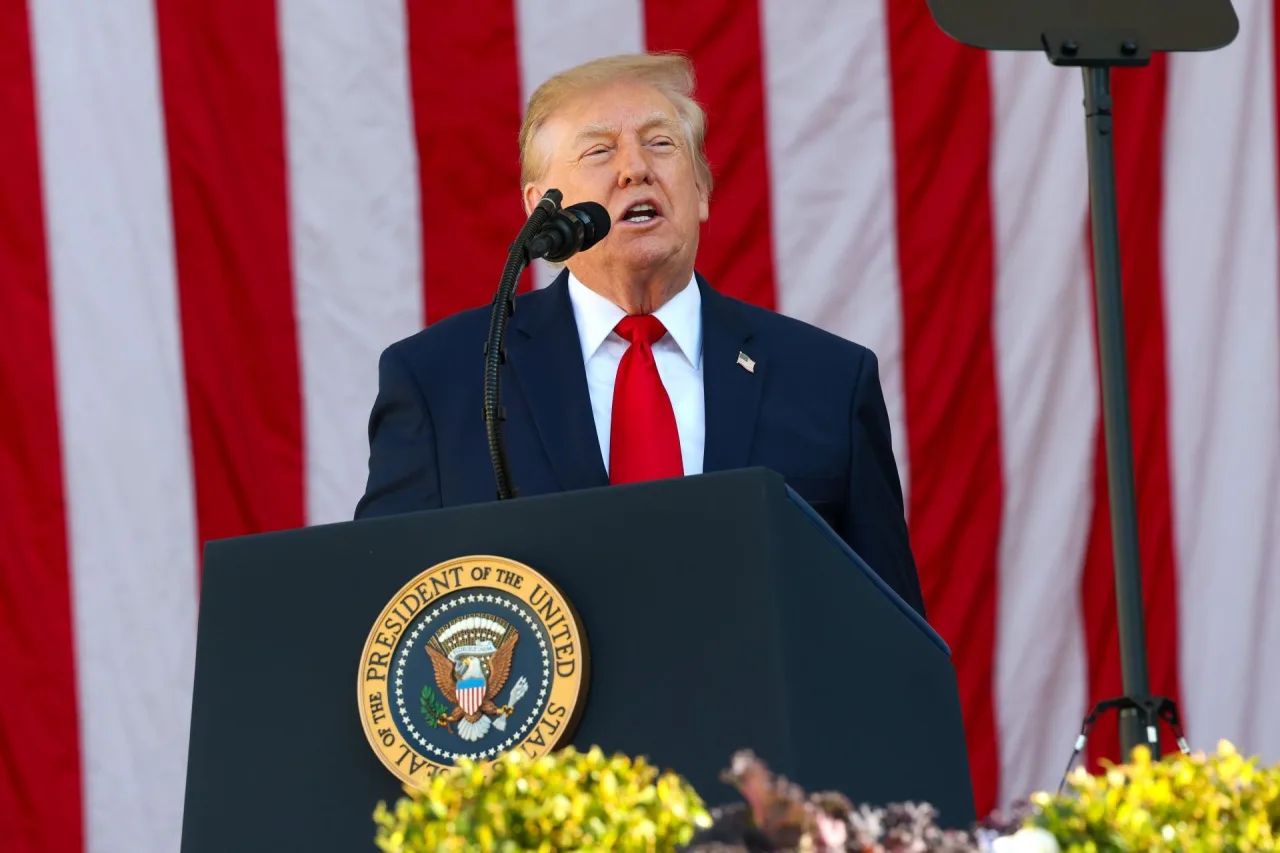
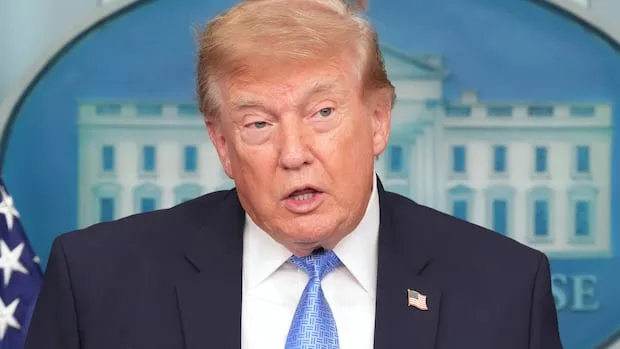
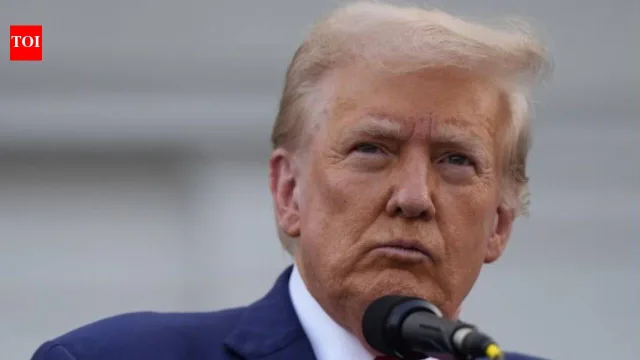
President Donald Trump used the annual Veterans Day observance at Arlington National Cemetery on Wednesday to deliver a 25-minute address that shifted from honoring military sacrifice to a sustained defense of his administration’s ongoing military operations in Iran and Venezuela.
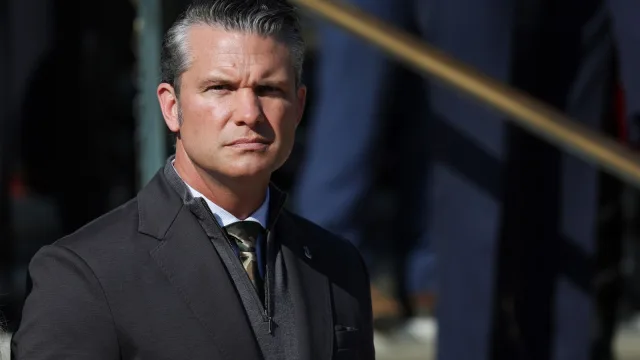
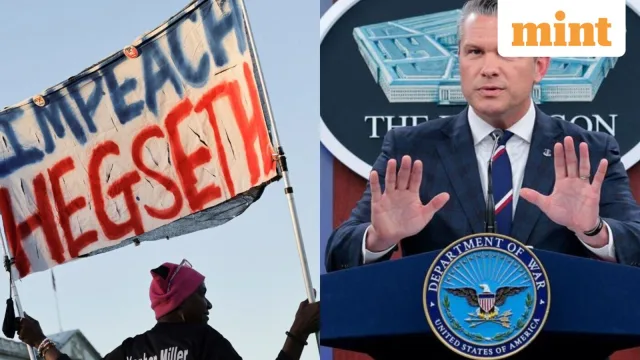
The appearance on Wednesday came just one day after Defense Secretary Pete Hegseth survived an impeachment vote in the House of Representatives that focused in part on his handling of the conflict. Standing before veterans, military leaders, and administration officials including Vice President JD Vance and Secretary of Veterans Affairs Doug Collins, Trump rejected the premise that Washington initiated the hostilities.
America did not start a war with Iran; Iran has been waging war on America since 1979,
Trump said during the ceremony.
Casualty Comparisons and the Push for Total Victory
Trump told the crowd that active fighting had taken place for only a few weeks of the nearly eight-month conflict, which began when the United States and Israel launched joint airstrikes on February 28, 2026. Those strikes followed authorization by Trump on February 27, 2026, for Operation Epic Fury, alongside Israel's Operation Roaring Lion, hitting roughly 500 to 900 military targets across Iran. Trump reported that 18 American service members had died in the war, while the Pentagon’s Defense Casualty Analysis System put the toll at 23 deaths and at least 865 wounded.
To justify the duration and cost, the president contrasted the current operation with long-standing twentieth and twenty-first-century conflicts, noting that the Korean War lasted four years with 36,500 deaths, Vietnam lasted 21 years with 60,000 deaths, Iraq lasted eight years with more than 4,400 deaths, and Afghanistan lasted nearly 20 years with 2,500 deaths. By contrast, Trump vowed to secure total victory, not a 93% victory,
adding that it would take Tehran 25 years to rebuild what had been destroyed. He expressed confidence that the conflict would end soon.
Honors for Historic Service Members and VA Reforms
Amid the geopolitical focus, the ceremony featured tributes to individual service members from multiple generations. Trump recognized 103-year-old World War II veteran Wilbur Jackson Jack
Myers, an antitank gunner with the 692nd Tank Destroyer Battalion who fought in the Battle of the Bulge, earned a Bronze Star, and helped liberate Dachau. He also honored U.S. Army Col. Douglas Moore, a Dustoff MEDEVAC pilot who flew 1,874 combat missions in Vietnam, Marine veteran Dale Garner, the sole survivor of the 1983 Hezbollah barracks bombing in Beirut that killed 241 Americans, and Army Sgt. Ryan Hendrickson, who survived a 2010 IED blast in Afghanistan.
Turning to domestic policy, Trump highlighted achievements at the Department of Veterans Affairs, pointing to a nearly 70% reduction in the VA claims backlog, the passage of the VA Home Loan Reform Act to prevent foreclosures, and housing assistance extended to nearly 100,000 homeless veterans. Veterans Affairs Secretary Doug Collins reinforced the domestic message, telling the audience, Veterans, today, understand one thing. This country does not forget it.
Broader Regional Operations and Administration Stance
The president also pointed to operations outside the Middle East, describing the January U.S. capture of Venezuelan President Nicolás Maduro as one of the most stunning displays of military power and dominance the world has ever seen.
He claimed the United States was taking control of billions of dollars in oil and had recovered the cost of the operation multiple times over.
The remarks on Iran coincided with a diplomatic shift. On November 10, 2026, Secretary of State Marco Rubio moved away from the possibility of escalating military action, dismissing claims of a stalemate and maintaining that sanctions and the U.S. naval blockade were gradually weakening Tehran.
That leaves the administration balancing a declared intent to wrap up the Iran campaign soon against the reality of ongoing casualties and a public increasingly critical of the speech's political tone.