Iran President Pezeshkian denies terrorism claims at UN General Assembly
Iranian President Masoud Pezeshkian delivered a defiant address at the UNGA, countering accusations of state-sponsored terrorism while facing scrutiny over nuclear enrichment.
- Headline: Iran President Pezeshkian denies terrorism claims at UN General Assembly
- Dispatch Summary: Iranian President Masoud Pezeshkian delivered a defiant address at the UNGA, countering accusations of state-sponsored terrorism while facing scrutiny over nuclear enrichment.
- Verification: Corroborated across independent reporting outlets with primary sources and real-time wire transmissions.
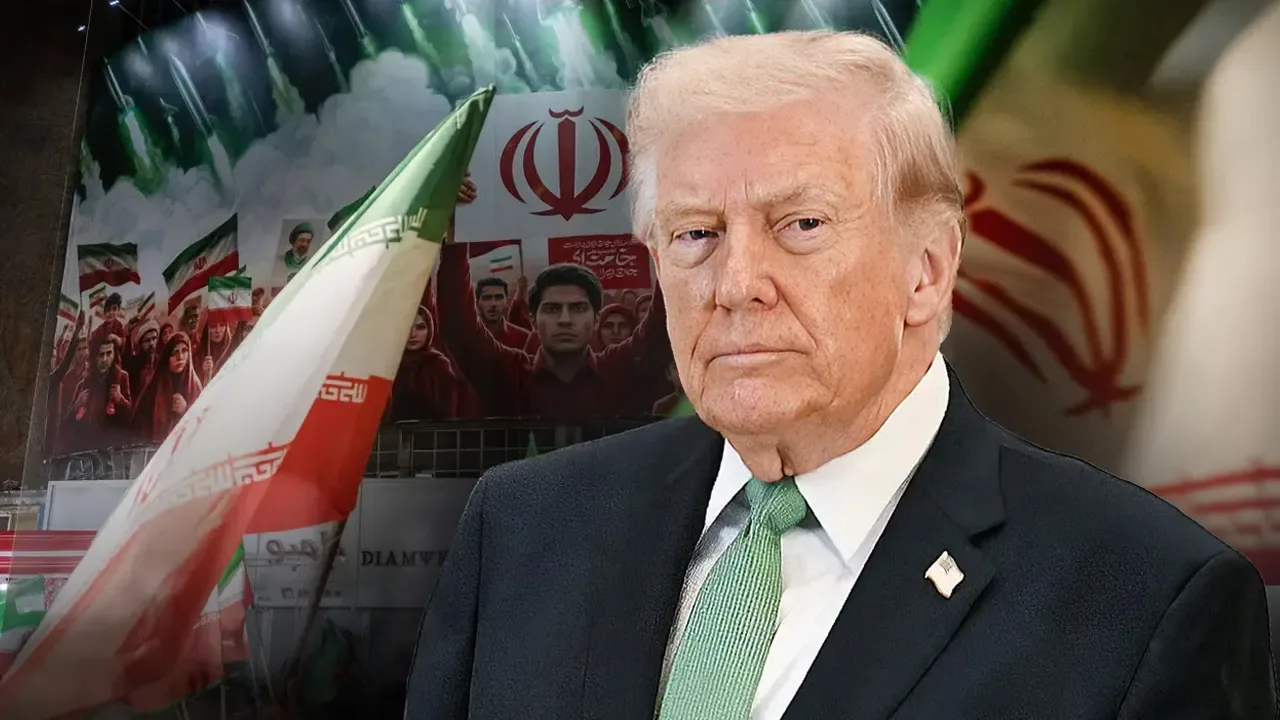
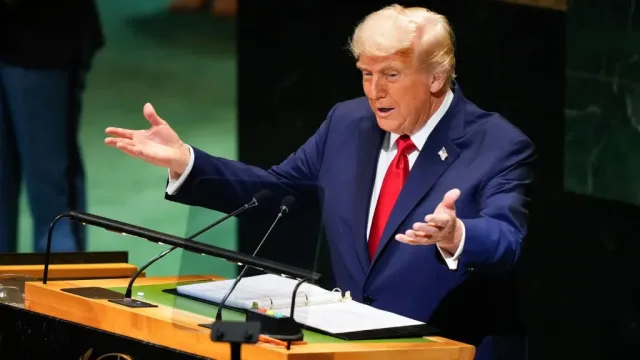
Iranian President Masoud Pezeshkian delivered a fiery address at the United Nations General Assembly on Wednesday, directly countering U.S. accusations of state-sponsored terrorism and asserting that his nation is a "victim of terrorism." The speech, delivered hours after former U.S. President Donald Trump labeled Iran the "number one sponsor of terror," marked a sharp escalation in diplomatic rhetoric between the two nations.
Pezeshkian's Defiant Address at UNGA
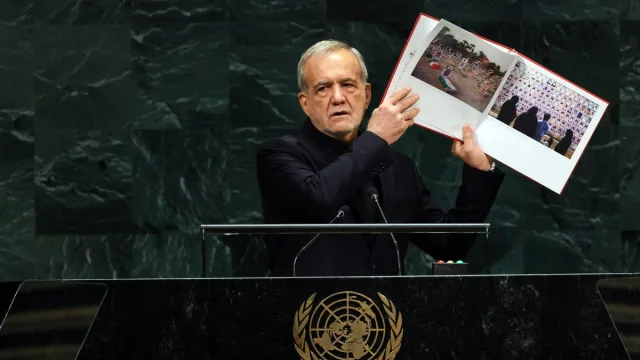
Pezeshkian opened his remarks by condemning what he described as U.S. and Israeli aggression against Iran, holding up photographs of civilians killed in attacks, including images of the late Supreme Leader Ayatollah Ali Khamenei and schoolchildren. "We have only defended ourselves. We are not terrorists," he declared, accusing the United States of "terrorism" for the killing of Khamenei, whom he claimed was "assassinated without any justification."
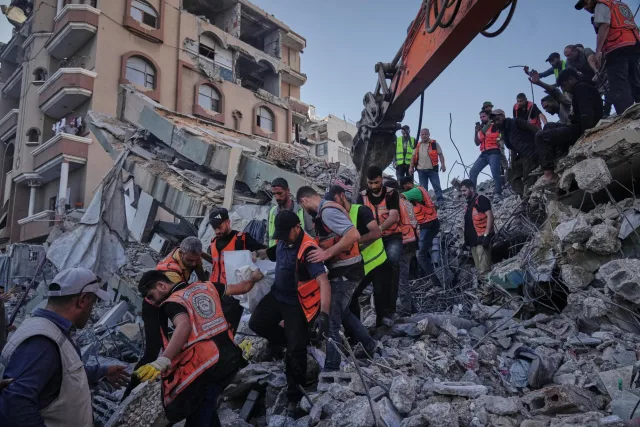
The Iranian leader also pointed to a U.S.-led strike on a school in Minab, which he alleged killed children, and criticized Israel for "true terrorist" behavior, including residential bombings and assassinations. "Israel kills, Tehran gets sanctioned," he said, accusing the U.S. of "double standards." His speech drew a strong reaction from the U.S. delegation, which left the meeting during his address.
While Pezeshkian emphasized Iran’s right to "peaceful nuclear technology," international nuclear monitors have raised alarms over Iran’s enrichment of uranium to 60% purity—a level far beyond the 3–5% used in civilian reactors and close to weapons-grade material. The International Atomic Energy Agency (IAEA) has noted that Iran is the only non-nuclear-weapon state producing such high-purity uranium, a fact Pezeshkian did not directly address during his speech.
| Detail | Information |
|---|---|
| Uranium Enrichment Level | 60% purity, according to IAEA reports |
| Civilian Use Justification | No credible civilian purpose for 60% enrichment |
| Non-Nuclear-Weapon State | Iran is the only non-nuclear-weapon state producing 60% enriched uranium |
Trump’s Threats and Pezeshkian’s Response
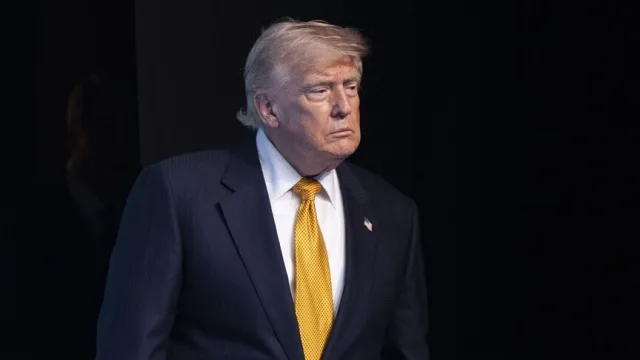
Pezeshkian’s speech followed a day of heightened tensions, as Trump had previously accused Iran of being the "number one sponsor of terror" during the same UNGA session. Trump’s remarks, which included a veiled threat to "annihilate" Iran, were directly referenced by Pezeshkian, who dismissed the claim as baseless. "We are not terrorists, we are victims of terrorism," he said, adding that Iran’s resistance to external pressure would only grow stronger.
The Iranian president also addressed the strategic importance of the Strait of Hormuz, a critical waterway for global energy trade. He warned that Iran would not allow the strait to be used "to impose their aggression upon us," a statement that aligns with Tehran’s recent efforts to restrict access to the region. These actions have contributed to rising global energy prices, a political liability for Trump’s Republican Party ahead of November’s midterm elections.
Despite the confrontational tone, Pezeshkian’s speech made no mention of ongoing negotiations between Iranian and American officials, which Trump had referenced earlier in the week. The lack of dialogue on this front highlights the deepening rift between the two nations, even as both sides have expressed openness to limited talks.
Visa Controversy and Delegation Restrictions
Pezeshkian’s presence at the UNGA was initially uncertain due to U.S. visa restrictions. While Washington ultimately granted Pezeshkian a visa, several members of his delegation were denied entry documents, a move that underscored the strained relationship between the two countries. The Iranian leader’s ability to speak at the assembly despite these obstacles was seen as a symbolic assertion of Iran’s diplomatic presence on the global stage.
The U.S. decision to invite Russian President Vladimir Putin to the G20 summit in December further complicated the geopolitical landscape, as Pezeshkian’s speech coincided with broader discussions about international security and regional conflicts.
Frequently Asked Questions
What is Iran’s stance on its nuclear program?
Iranian President Pezeshkian has emphasized that his country’s nuclear activities are for "peaceful technology," but international monitors report that Iran has enriched uranium to 60% purity, a level with no credible civilian purpose and close to weapons-grade material.
How did Pezeshkian respond to Trump’s terrorism claims?
Pezeshkian rejected Trump’s accusations, calling Iran a "victim of terrorism" and accusing the U.S. and Israel of attacking Iranian civilians. He cited the killing of former leader Ayatollah Ali Khamenei and a school bombing as evidence of U.S. aggression, though he did not explicitly attribute these acts to U.S. responsibility.
The coming weeks will test whether diplomatic channels can ease tensions or if the rhetoric of annihilation and victimhood will continue to dominate the narrative. For now, Pezeshkian’s speech has solidified Iran’s position as a defiant actor on the global stage, even as the international community grapples with the implications of its nuclear ambitions and regional conflicts.
How significant is this wire dispatch?
Cast your anonymous vote to register reader consensus across journalism and intelligence sectors.
Dateline Wire is dedicated to independent, evidence-backed reporting. This briefing was synthesized from primary source reporting, corroborated across independent newsrooms, and verified against our Editorial Standards.