Trump rejects Iran proposal to reopen Strait of Hormuz and restart talks
The U.S. has dismissed a seven-day ceasefire proposal from Iran that sought to lift a naval blockade and unfreeze $12 billion in assets. Tensions rise as the administration prepares for possible renewed strikes.
- Headline: Trump rejects Iran proposal to reopen Strait of Hormuz and restart talks
- Dispatch Summary: The U.S. has dismissed a seven-day ceasefire proposal from Iran that sought to lift a naval blockade and unfreeze $12 billion in assets. Tensions rise as the administration prepares for possible renewed strikes.
- Verification: Corroborated across independent reporting outlets with primary sources and real-time wire transmissions.
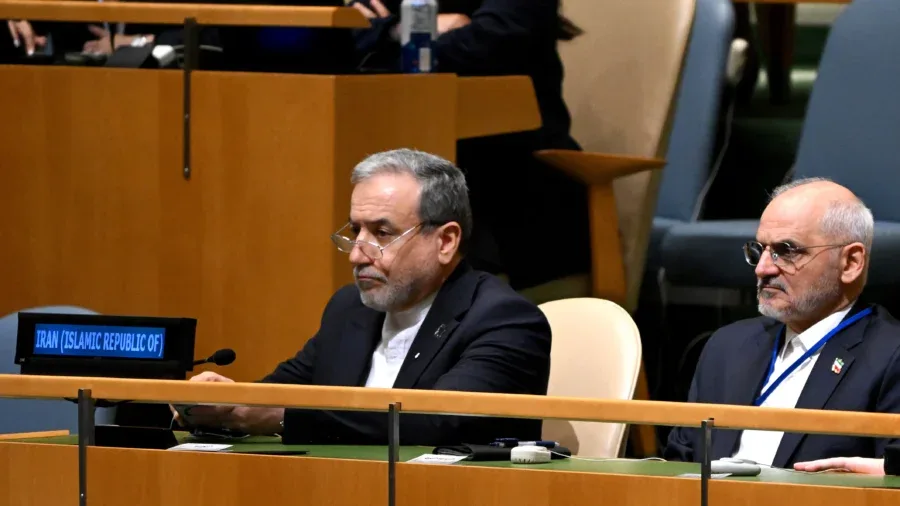
The U.S.-Iran conflict has entered a volatile phase as President Donald Trump rejected a seven-day ceasefire proposal from Iran to reopen the Strait of Hormuz, with reports indicating the administration is preparing for renewed military action after the November midterms. The proposal, unveiled through diplomatic channels, aimed to restore maritime traffic and revive nuclear negotiations, but U.S. officials have emphasized their refusal to lift the naval blockade or ease sanctions, leaving the path to de-escalation unclear.
Iran's Seven-Day Plan and Conditions
Iran’s foreign minister, Abbas Araghchi, announced the proposal during the U.N. General Assembly, stating that the Strait of Hormuz could be reopened within seven days if the U.S. met specific conditions. These included adhering to the terms of a June memorandum of understanding (MOU), which had collapsed after Iran targeted commercial vessels and the U.S. imposed a naval blockade. Araghchi emphasized that Iran would not accept coercion, asserting, “The choice now rests with the United States. Iran does not accept coercion, threats, or intimidation.”
The plan also called for a cessation of hostilities across West Asia, the release of frozen Iranian assets estimated at $12 billion, and the lifting of sanctions on oil exports. Iranian President Masoud Pezeshkian reiterated the regime’s desire to negotiate a deal before the midterms, stating, “We don’t want it to get to the midterm elections.” However, he acknowledged the “atmosphere of distrust” between the two nations, citing ongoing U.S. strikes and sanctions as obstacles to trust.
| Detail | Information |
|---|---|
| Seven-day ceasefire conditions | Lifting U.S. naval blockade, unfreezing $12 billion in assets, ending sanctions on Iranian oil. |
| U.S. control of Strait of Hormuz | As of Sept. 25, 122 commercial vessels were redirected to comply with the blockade; 40 million barrels of oil transited the strait in 48 hours. |
| June MOU collapse | Iran attacked commercial vessels; U.S. reinstated naval blockade after the agreement collapsed. |
Trump’s Rejection and Military Posturing
Trump’s rejection of the proposal was confirmed by U.S. officials, who cited skepticism about Iran’s willingness to meet U.S. demands. The president reportedly told aides he expects to resume bombing campaigns after the midterms, though officials remain divided on the scale of potential strikes. A U.S. official described the administration as “in a very strong position” due to its control of the Strait of Hormuz, stating, “We are not in a rush.”
The president’s rhetoric has oscillated between diplomatic overtures and threats of annihilation, with Trump declaring in a U.N. address that he could “annihilate the Islamic Republic” if necessary. His administration has also emphasized its stance against Iran’s nuclear program, with Trump stating, “Iran will never have a nuclear weapon.” However, the U.S. has not provided a clear path for Iran to meet its demands, leaving the proposal’s viability in question.
Iran’s foreign minister reiterated that the plan was “prepared” if the U.S. demonstrated “seriousness” about a deal, but U.S. officials have made no indication of willingness to compromise. The blockade remains in place, and the administration has signaled it will not lift sanctions or unfreeze assets, citing the need to maintain economic pressure on Tehran.
Diplomatic Deadlock and Regional Implications
Diplomatic efforts have stalled despite indirect talks between U.S. envoys and Iranian officials through mediators like Qatar. The U.S. has not responded to Iran’s proposal, which was conveyed via diplomatic channels, and officials have dismissed it as a tactic to delay negotiations. A U.S. official noted, “The United States has no intention of lifting the naval blockade,” framing the proposal as a test of Tehran’s commitment to diplomacy.
The conflict’s trajectory remains uncertain, with both sides locked in a cycle of escalation and stalled negotiations. Iran has accused the U.S. of undermining the June MOU by failing to honor its terms, while the U.S. has criticized Iran for attacking commercial vessels and refusing to comply with maritime regulations. The Strait of Hormuz, a critical global shipping lane, has remained effectively closed since the war began in February, disrupting global trade and heightening tensions.
Regional actors, including Saudi Arabia and the U.A.E., have also been affected by the blockade, with Saudi Arabia recently intercepting Houthi drones near Riyadh. The conflict’s ripple effects are evident in the broader Middle East, where alliances and security arrangements are being tested amid the standoff.
Frequently Asked Questions
Why did Trump reject Iran’s seven-day plan?
U.S. officials cited skepticism about Iran’s willingness to meet U.S. demands and a refusal to lift the naval blockade or ease sanctions. The administration emphasized its “strong position” over the Strait of Hormuz and has shown no indication of conceding on key terms.
What are the conditions in Iran’s proposal?
The plan included lifting the U.S. naval blockade, unfreezing $12 billion in assets, ending sanctions on Iranian oil, and restoring maritime traffic. It also called for a seven-day cessation of hostilities across West Asia.
What happens next in the conflict?
The U.S. has indicated it may resume military action after the November midterms, though the scale of potential strikes remains unclear. Iran has not yet responded to the rejection, but the deadlock in negotiations suggests the conflict is likely to persist unless new diplomatic efforts emerge.
The next critical juncture will be the November midterms, which both sides have tied to the conflict’s trajectory. If Trump’s administration proceeds with military escalation, it could further destabilize the region and complicate global trade. Meanwhile, Iran’s insistence on its sovereignty and refusal to yield to U.S. demands suggest the path to resolution remains fraught with uncertainty.
How significant is this wire dispatch?
Cast your anonymous vote to register reader consensus across journalism and intelligence sectors.
Dateline Wire is dedicated to independent, evidence-backed reporting. This briefing was synthesized from primary source reporting, corroborated across independent newsrooms, and verified against our Editorial Standards.