Vladimir Putin arrives in New Delhi for BRICS Summit and talks with Modi
Russian President Vladimir Putin has arrived in New Delhi for the 18th BRICS Summit, where he is set to hold bilateral talks with Prime Minister Narendra Modi.
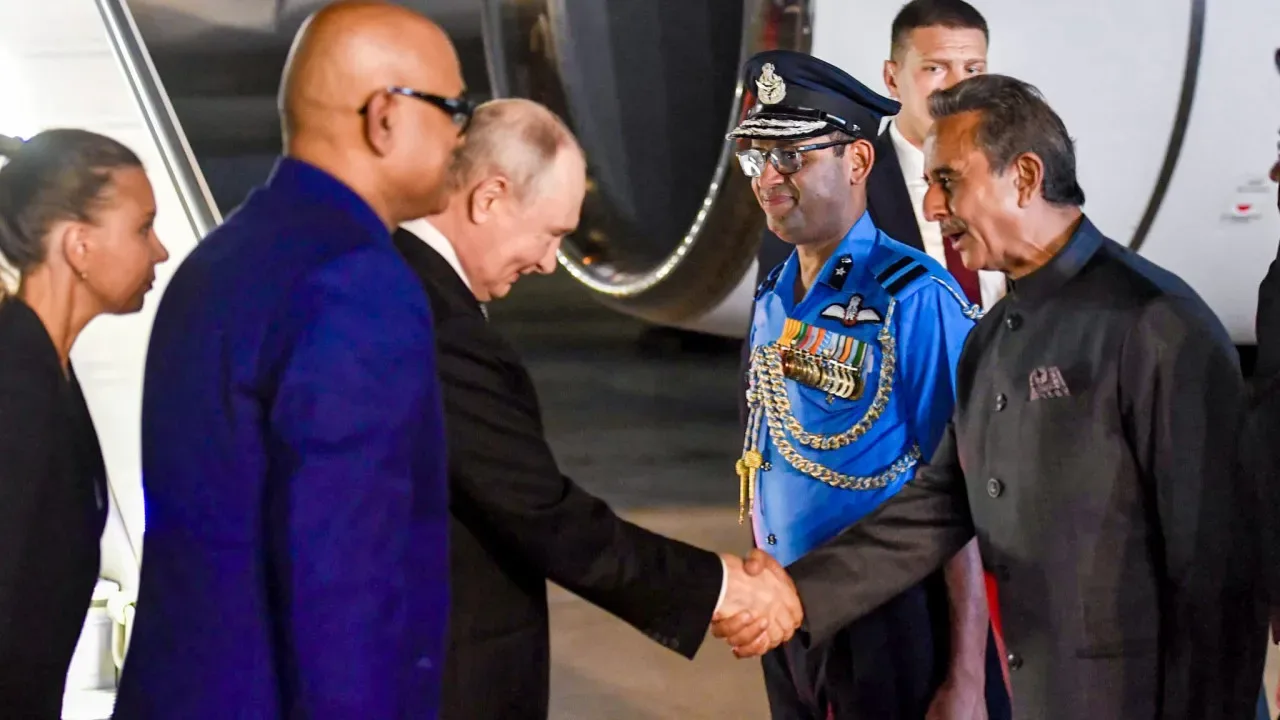
Russian President Vladimir Putin arrived in New Delhi on September 11, 2026, for the 18th BRICS Summit, marking the first in-person meeting between him and Prime Minister Narendra Modi since the outbreak of the Russia-Ukraine war in 2022. The summit, hosted by India as BRICS chair for 2026, will bring together leaders from the 11-member bloc, including China’s Xi Jinping, South Africa’s Cyril Ramaphosa, and Iran’s Masoud Pezeshkian, to address global challenges and strengthen multilateral cooperation.
Putin’s Arrival and BRICS Summit Context
Putin’s arrival in the Indian capital was confirmed by the Ministry of External Affairs, which highlighted the “complex and longstanding ties” between India and Russia. The visit coincides with the 18th BRICS Summit, set to take place at Bharat Mandapam from September 12 to 13, 2026. The event, themed “Building for Resilience, Innovation, Cooperation and Sustainability,” aims to advance economic and strategic partnerships among member nations while addressing geopolitical tensions.
Modi and Putin’s bilateral talks, scheduled for September 11, will focus on defense cooperation, energy security, and the ongoing Russia-Ukraine conflict. During their previous meeting at the Shanghai Cooperation Organisation summit in Bishkek, Modi urged Putin to shift from an “endless war” to an “end of war,” a sentiment echoed in his recent social media posts. “It is humanity’s wish that the end of this war happens as soon as possible,” Modi stated, emphasizing the need for global welfare.
Key Agenda Items and Bilateral Talks
The BRICS Summit will address pressing global issues, including food and energy security, healthcare, and supply chain resilience. India’s chairmanship has prioritized initiatives such as smart grids, startup innovation hubs, and logistics frameworks, with the goal of fostering sustainable development. The summit also coincides with the BRICS Business Forum, where leaders and entrepreneurs will explore economic collaboration, including India’s target of achieving $100 billion in bilateral trade with Russia by 2030.
Defense cooperation remains a central topic, with both nations expected to discuss ongoing and prospective projects. Russian Foreign Minister Sergey Lavrov and Deputy Prime Minister Denis Manturov arrived in Delhi ahead of the summit, underscoring the strategic importance of India-Russia ties. The two leaders also plan to visit the INNOPROM exhibition, a platform for industrial and technological exchange.
| Detail | Information |
|---|---|
| BRICS Summit Dates | September 12–13, 2026 |
| Theme | Building for Resilience, Innovation, Cooperation and Sustainability |
| Key Attendees | Xi Jinping (China), Cyril Ramaphosa (South Africa), Masoud Pezeshkian (Iran), Prabowo Subianto (Indonesia), and others |
| Security Measures | 30,000 personnel deployed; traffic restrictions and 500+ CCTV cameras |
| Economic Target | $100 billion in bilateral trade by 2030; $50 billion in two-way investment |
Security Measures and Logistical Preparations
Delhi has been transformed into a “fortress” for the summit, with over 30,000 security personnel, including 200 companies of paramilitary forces, deployed to safeguard leaders and infrastructure. The city’s key routes, hotels, and the Bharat Mandapam venue are under strict surveillance, with temporary traffic diversions and restrictions in place. The New Delhi Municipal Council has also enhanced beautification efforts, including LED signages and floral displays, to mark the occasion.
Despite the heightened security, authorities assured that essential services and public transport will remain operational. The Delhi Metro will resume early services on September 13 to accommodate attendees, while schools and government offices face limited disruptions. The summit’s logistics reflect India’s commitment to hosting a secure and seamless event, with over 350 meetings and engagements planned across 25 cities during its chairmanship.
Global Context and Geopolitical Significance
The BRICS Summit occurs amid escalating global tensions, including the Russia-Ukraine war, Middle East conflicts, and trade disputes. Analysts note that the expanded bloc—now comprising 11 member states—faces challenges in balancing diverse interests while advancing collective goals. Harsh V. Pant of the Observer Research Foundation highlighted the Gulf conflict as a “central fault line” for discussions, while former Minister Salman Khurshid emphasized the summit’s potential to foster dialogue and reduce geopolitical contradictions.
India’s leadership in the BRICS grouping underscores its growing influence in global governance. The summit will also see the adoption of the New Delhi Declaration, outlining the bloc’s priorities for the coming years. As Putin and Modi meet, the focus remains on strengthening India-Russia ties amid shifting international dynamics, with both nations seeking to leverage the summit for strategic and economic gains.
Frequently Asked Questions
What are the main topics of discussion at the BRICS Summit?
The summit will focus on resilience, innovation, and sustainability, with key discussions on food and energy security, healthcare, and supply chain resilience. Bilateral talks between Modi and Putin will address defense cooperation, trade, and the Russia-Ukraine conflict.
What security measures are in place for the summit?
Delhi has deployed 30,000 personnel, including paramilitary forces and 500+ CCTV cameras. Traffic restrictions and road diversions are in effect, with the Delhi Metro resuming early services to facilitate movement.
The outcome of the summit and its impact on global cooperation remain to be seen, but the gathering of BRICS leaders in New Delhi signals a pivotal moment for emerging economies navigating a complex geopolitical landscape.
Dateline Wire is dedicated to independent, evidence-backed reporting. This briefing was synthesized from primary source reporting, corroborated across independent newsrooms, and verified against our Editorial Standards.