Thousands in India march to Supreme Court demanding election chief resign
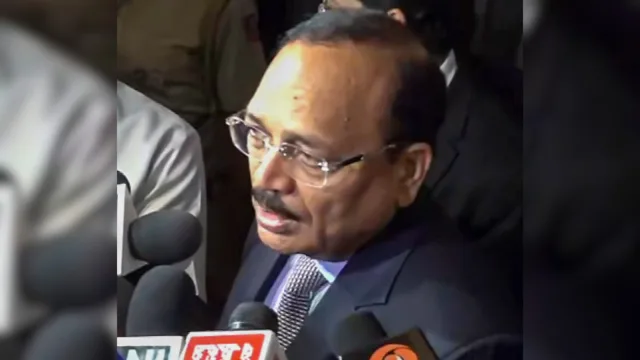
Thousands of demonstrators marched to the Supreme Court in New Delhi to demand the resignation of Chief Election Commissioner Gyanesh Kumar following a massive purge of voter rolls.
- Headline: Thousands in India march to Supreme Court demanding election chief resign
- Dispatch Summary: Thousands of demonstrators marched to the Supreme Court in New Delhi to demand the resignation of Chief Election Commissioner Gyanesh Kumar following a massive purge of voter rolls.
- Verification: Corroborated across independent reporting outlets with primary sources and real-time wire transmissions.
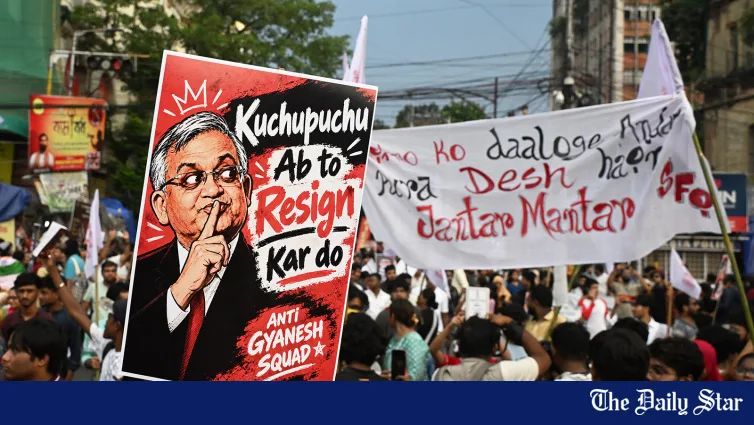
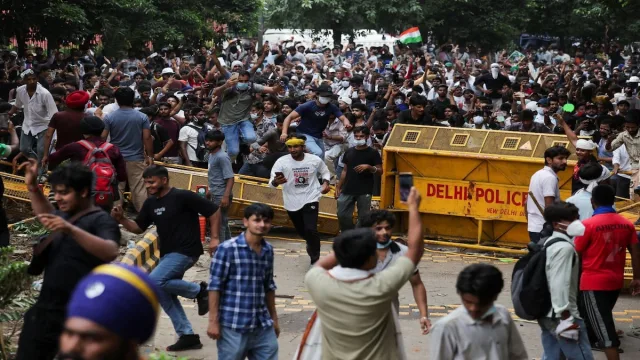
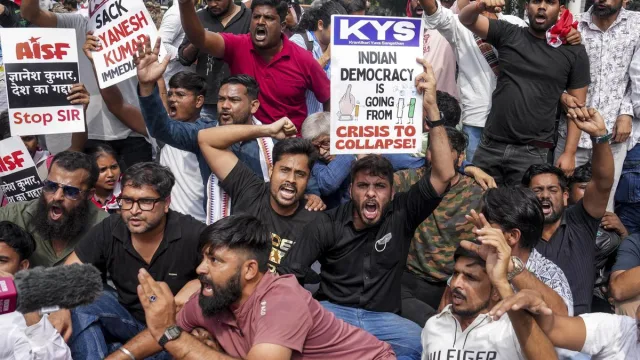
More than 130 million names have been removed from electoral lists across India, sparking a massive political confrontation that brought thousands of demonstrators to the streets of New Delhi on Monday. Opposition parties, student groups, and the youth-led Cockroach Janta Party joined forces for a "March for Democracy" to the Supreme Court, demanding the resignation of Chief Election Commissioner Gyanesh Kumar. Protesters allege that a sweeping nationwide revision of voter rolls is deliberately designed to benefit Prime Minister Narendra Modi and his ruling Bharatiya Janata Party.
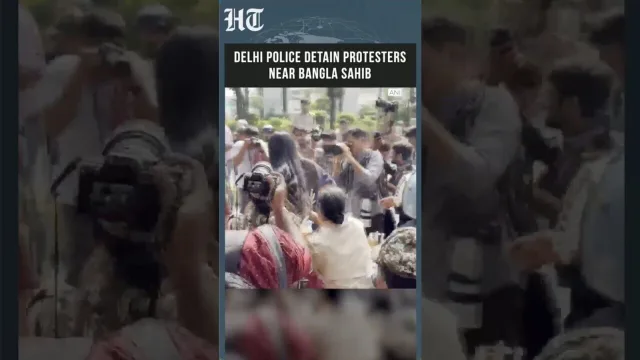
The demonstrations follow a chaotic weekend that saw authorities deploy thousands of police and paramilitary personnel, erect hundreds of yellow metal barricades across central Delhi, and close six major metro stations. Police briefly detained thousands of activists, organizers, and journalists during the weekend crackdown. Demonstrators and opposition leaders argue that the voter roll revision threatens democratic rights and disenfranchises eligible voters, particularly minorities and Muslims, while election authorities and the government insist the purge is necessary to eliminate duplicate, deceased, and fraudulent entries.
Consequences and Restrictions Across New Delhi
The escalating protests have heavily disrupted life in the capital and drawn intense scrutiny over the state's handling of civil dissent. New Delhi police announced on Monday that Jantar Mantar, a longtime site of mass protests in the capital, will no longer be a designated venue for rallies, with three alternative locations chosen. The capital has effectively been locked down under a strict security clampdown.
- Thousands of protesters and organizers were detained over the weekend before most were subsequently released.
- At least 16 journalists covering the protests were detained, prompting condemnation from media rights group Reporters Without Borders.
- Six major metro stations in New Delhi were shut down, and transport links faced heavy disruptions.
- Hundreds of yellow metal barricades were erected on roads leading to central Delhi.
- Parliamentarian John Brittas alleged he was manhandled, dragged, and assaulted by police during Sunday demonstrations.
Opposition leaders have seized on the heavy-handed policing to rally public support. Congress leader Rahul Gandhi, alongside Congress President Mallikarjun Kharge, submitted a petition to Chief Justice Surya Kant alleging irregularities in the electoral roll revision. Chief Justice Kant responded by saying the matter was already before the court and therefore sub judice - meaning he could not speak about it, but added: You have my assurance that any such petition shall be heard at the earliest possible opportunity, in accordance with the law.
Chronology of the Escalation
The current showdown represents the culmination of mounting tensions that have built up over months of voter list revisions and youth-led activism.
- Over the summer, the Cockroach Janta Party led a sit-in protest at Jantar Mantar that lasted for weeks, forcing the resignation of India's federal education minister in July.
- Election authorities began a nationwide revision of voter lists, ultimately removing more than 130 million names from electoral rolls.
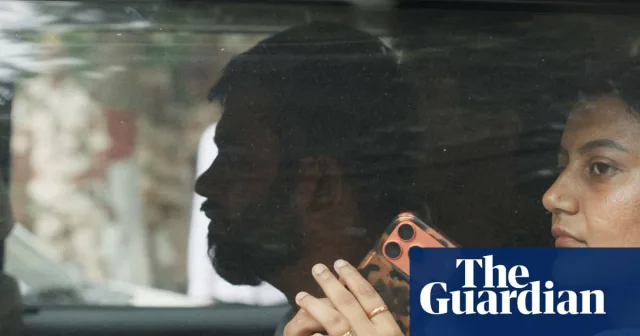
- Leaders of the Cockroach Janta Party, including founder Abhijeet Dipke and co-convenors Saurav Das and Ashutosh Ranka, were dramatically detained from a plane as they landed in Delhi ahead of weekend demonstrations.
- Over the weekend, police detained and released thousands of demonstrators and journalists, while CJP leaders were released a day later.
- On Monday, opposition parties and supporters staged the "March for Democracy," submitting a petition to Chief Justice Surya Kant while authorities maintained a heavy security clampdown and shut six metro stations.
The friction between authorities and demonstrators intensified when digital journalist Nitin Katiyar stated that police punched him in the eye during the weekend coverage, a charge that could not be immediately verified. Meanwhile, CJP leaders Dipke, Das, and Ranka have vowed that protests will continue until Gyanesh Kumar steps down, with plans to seek a new protest date from the police.
Political Battlegrounds and Official Stances
The political stakes are exceptionally high for both Modi's government and a fractured opposition looking for a unifying cause. Prime Minister Modi has not publicly commented on the protests, but BJP President Nitin Nabin accused opposition parties and the CJP of trying to destabilise India at the behest of foreign forces
without elaborating on who the forces were. BJP leaders have dismissed the demonstrators, with some calling the activists anarchists.
Opposition figures frame the movement as an existential defense of India's democratic framework. If they take away our right to vote, what is left with us?
a protester asked an AFP news agency reporter, echoing sentiments shared by thousands on the march. Demonstrator Abhay Aryan, 28, told AFP, You can see how big the crowd is already,
as the procession moved toward the Supreme Court. Another protester described the demonstrations as a fight to save the very fabric
of India.
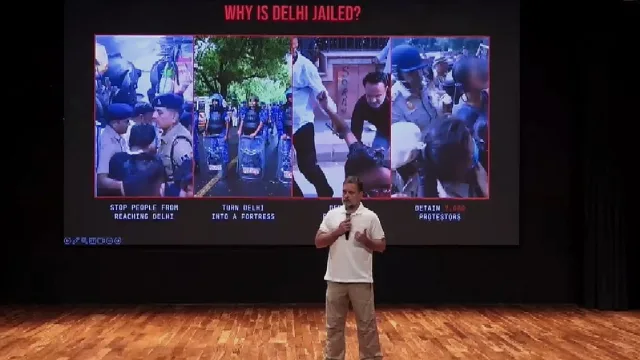
Rahul Gandhi accused the government of trying to suppress dissent through mass detentions and shielding Gyanesh Kumar. People are being stopped from reaching Delhi,
Gandhi said at a Monday news conference, adding that young Indians who came to protest peacefully with love in their hearts, not hatred or anger
had been beaten up. Conversely, the Election Commission of India, which oversees the voting process in the world's most populous nation, maintains that its oversight has been lawful, aimed solely at cleaning up registry errors.
That leaves the Supreme Court as the primary arbiter in a dispute where compromise appears increasingly difficult to find. How the court handles the opposition petition will determine whether the street protests subside or escalate further.