Estonia blames Russia for arson at defence company supplying Ukraine
Estonia has accused Russian special services of orchestrating an August arson attack on a defense firm supplying Ukraine, following the arrest of three suspects.
- Headline: Estonia blames Russia for arson at defence company supplying Ukraine
- Dispatch Summary: Estonia has accused Russian special services of orchestrating an August arson attack on a defense firm supplying Ukraine, following the arrest of three suspects.
- Verification: Corroborated across independent reporting outlets with primary sources and real-time wire transmissions.
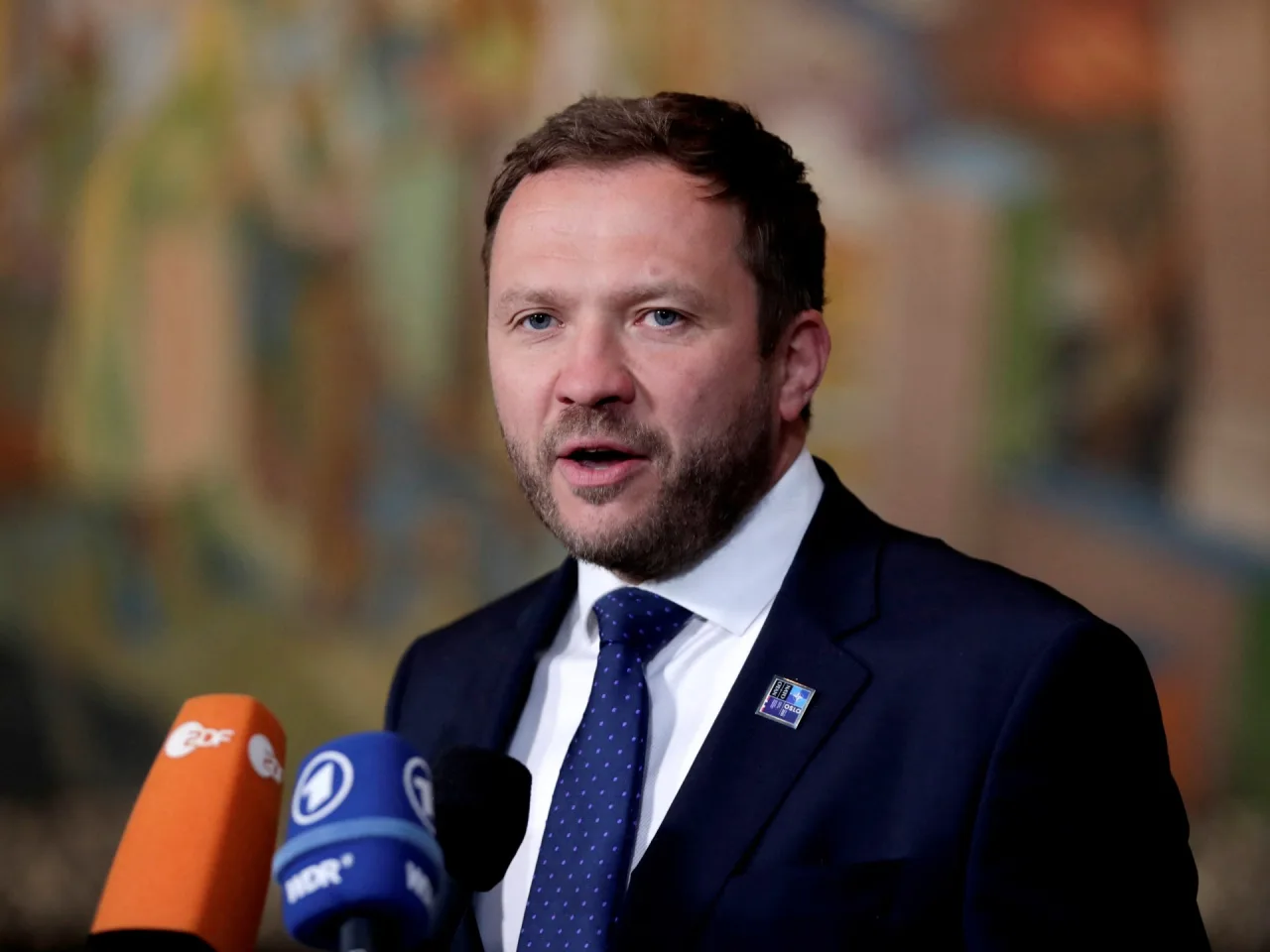
Estonia Accuses Russia of Sabotage in August Arson Attack
Estonia has formally accused Russia of orchestrating an August arson attack on Milrem Robotics, a defense company in Tallinn that produces unmanned ground vehicles for Ukraine. The attack, which occurred on the night of August 15, targeted a facility used by the firm, according to multiple reports. Estonian Foreign Minister Margus Tsahkna stated that the fire was “an act of sabotage ordered by the special services of the Russian Federation,” citing information from the country’s Internal Security Service (KAPO). Tsahkna emphasized that the attack was part of a broader Russian strategy to “intimidate us and weaken our support for Ukraine.” He added that the perpetrators had been apprehended and were no longer a threat, though he did not disclose specific details about the investigation. The Estonian government also summoned the Russian ambassador to its capital, underscoring the gravity of the allegations.| Detail | Information |
|---|---|
| Date of attack | August 15 |
| Target company | Milrem Robotics |
| Alleged perpetrator | Russian special services |
| Suspects arrested | Three Latvian citizens |
| Extradition to Estonia | September 17–18 |
Suspects Arrested, Evidence Remains Classified
Estonian authorities confirmed that two suspects were detained in Latvia on August 17, with a third arrested the following day. The individuals, described as Latvian citizens, were reportedly living in Russia and had previously participated in attacks, according to KAPO head Margo Palloson. The suspects were transferred to Estonia in late September, though no further details about their identities or the evidence against them were disclosed. The Estonian government cited the confidentiality of security services as a reason for withholding specifics. However, Palloson noted that the attack was “the first successful attack” by Russian operatives in Estonia this year. The fire broke out in a building on Betooni Street in Tallinn’s Lasnamäe district, but no injuries were reported, and emergency services contained the blaze swiftly.International Condemnation and Solidarity
Estonia’s accusations drew immediate condemnation from NATO, the EU, and Western leaders, who framed the attack as part of a broader Russian campaign to undermine European unity. NATO Secretary General Mark Rutte called the incident “reckless” and asserted that Russia was “failing” in its efforts to weaken NATO’s support for Ukraine. French President Emmanuel Macron described the attack as a “dangerous escalation,” warning that Russia’s actions would “only lead it into a dead end.” Lithuanian Foreign Minister Kęstutis Budrys stated that Russia’s “fingerprints are all over” the attack, while Swedish Prime Minister Ulf Kristersson called the attribution “extremely serious.” Latvian President Edgars Rīnkevičs and Polish officials also reiterated their support for Estonia and Ukraine, emphasizing the need for continued military and financial aid to Kyiv.Russia Denies Involvement, Criticizes Accusations
The Kremlin dismissed Estonia’s claims as “unfounded” and “ill-considered,” with spokesperson Dmitry Peskov rejecting the allegations as “absolutely not reflecting the reality.” He stated that Russia would “not take such statements seriously,” echoing similar denials in past incidents. The Russian government has consistently denied responsibility for sabotage attacks in Europe, despite growing evidence of its involvement in hybrid warfare tactics. The incident coincides with a series of suspected Russian sabotage operations across the continent, including an explosive drone found near Leipzig Airport in Germany, a fire at a Bulgarian defense warehouse, and an explosion at an Italian munitions factory. However, no direct evidence linking Russia to these events is provided in the sources.Frequently Asked Questions
Frequently Asked Questions
Who was the target of the arson attack?
The attack targeted Milrem Robotics, an Estonian defense company that produces unmanned ground vehicles for Ukraine. The facility in Tallinn was set ablaze on August 15.
What evidence does Estonia have linking Russia to the attack?
Estonia’s Internal Security Service (KAPO) claims the attack was ordered by Russian special services, but no specific evidence has been disclosed. Authorities state that three Latvian suspects were arrested and extradited to Estonia, though their connections to Russian intelligence remain unproven in the sources.
How has Russia responded to the accusations?
Russia has categorically denied the allegations, calling them “baseless” and “unfounded.” Kremlin spokesperson Dmitry Peskov stated that the accusations lack “any form of reasoning” and that Russia would not take them “seriously.”
Unresolved Questions and Next Steps
The Estonian government has yet to release detailed evidence supporting its claims, raising questions about the scope of its investigation. Meanwhile, the pattern of suspected Russian sabotage across Europe—spanning multiple countries and incidents—suggests a coordinated effort to destabilize NATO and EU states. As the investigation into the Tallinn attack continues, the international community will closely monitor whether additional evidence emerges to corroborate Estonia’s allegations. The next critical development will likely involve the formal presentation of findings by Estonian authorities, which could further strain relations between Russia and its Western adversaries.How significant is this wire dispatch?
Cast your anonymous vote to register reader consensus across journalism and intelligence sectors.
Dateline Wire is dedicated to independent, evidence-backed reporting. This briefing was synthesized from primary source reporting, corroborated across independent newsrooms, and verified against our Editorial Standards.