New Zealand confirms first H5N1 bird flu case in native seabird
New Zealand has confirmed its first case of H5N1 bird flu in a brown skua found in Wellington. In response, authorities have initiated a vaccination program for five of the country's most endangered bird species.
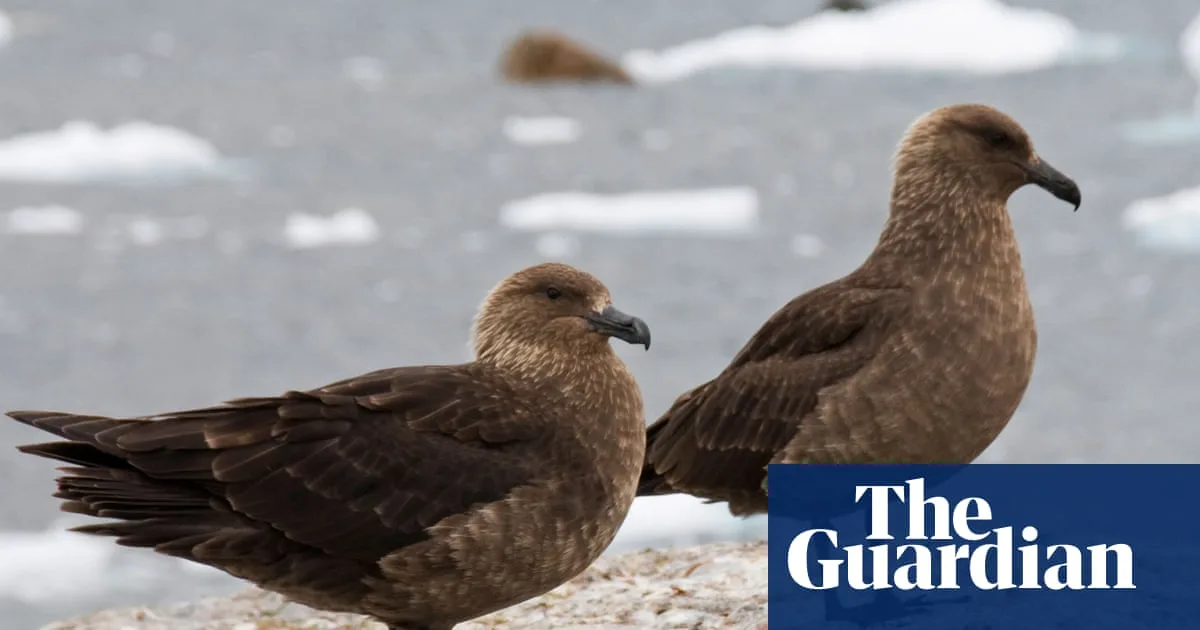
New Zealand has confirmed its first case of the H5N1 bird flu strain in a native seabird, marking a critical moment for the country’s fragile ecosystem and conservation efforts. The virus was detected in a brown skua, a migratory seabird found on Petone Beach in Wellington on 10 July, according to Biosecurity Minister Andrew Hoggard. The discovery has prompted immediate action, including a targeted vaccination program for endangered species and heightened public vigilance against the spread of the disease.
The brown skua, a scavenging seabird known for its adaptability, tested positive for H5N1, a strain that has devastated bird populations globally since its emergence in Asia in 2021. While no evidence of mass mortality or transmission between wild birds has been detected, authorities warn that the virus’s arrival in New Zealand is a significant threat to the nation’s unique avian biodiversity. The country’s birds, many of which evolved in isolation without native land mammals, are particularly vulnerable due to their flightless or ground-nesting traits and reliance on intensive conservation programs.
“New Zealand’s birds have never had to deal with anything like this before,” said Brett Gartrell, a professor of wildlife health at Massey University. “If it spreads quickly, we could be in trouble.” The virus has already been detected in migratory birds in Australia, the last continent to report cases, and New Zealand’s proximity to the region has accelerated preparedness measures. Hoggard emphasized that the country’s response is informed by international experience, including Australia’s approach, but the unique ecological context of New Zealand presents “a big unknown.”
Health officials have initiated a vaccination program targeting 300 core breeding birds from five of New Zealand’s most endangered species: the kākāpō, takahē, shore plover, black stilt, and orange-fronted parakeet. The program, led by the Department of Conservation (DOC), began in late July, with 67 birds receiving their first dose of a vaccine containing inactivated virus. While trials last year showed no adverse effects, officials acknowledge the vaccine’s effectiveness remains unproven due to the birds’ lack of prior exposure to H5N1. “We can’t be certain how effective it is, but we’re taking every precaution,” Hoggard said.
The decision to prioritize these species reflects their critical status. Many, like the kākāpō—a flightless parrot with fewer than individuals—rely on captive breeding and predator control to survive. DOC Senior Science Advisor Dr. Kate McInnes highlighted that the vaccination is a “safeguard” to protect populations already under threat from habitat loss and invasive predators. “If H5N1 arrives here, we may not be able to vaccinate all endangered birds, but we can focus on those where the vaccine can provide meaningful protection,” she said.
Experts caution that the virus’s impact on New Zealand’s native species remains unpredictable. Jemma Geoghegan, a virologist at the University of Otago, noted that the country’s isolation “will not keep out this deadly bird virus.” She stressed the importance of early detection and public cooperation, urging citizens to report groups of three or more sick or dead birds, marine mammals, or other wildlife to the Ministry for Primary Industries (MPI) hotline. “This will give us our best chance to respond,” she said.
The public has been advised to avoid contact with sick or dead birds and to maintain hygiene when outdoors. Hoggard reiterated that there is no evidence of poultry infections or widespread wildlife deaths, but the risk of transmission to native species remains high. “We’re in a unique position to act early,” he said, pointing to New Zealand’s long-standing biosecurity measures and collaboration with the poultry industry. However, the challenge lies in balancing conservation efforts with the unpredictable nature of the virus.
As New Zealand grapples with this unprecedented challenge, the focus remains on mitigating risks while preserving the cultural and ecological legacy of its native birds. With over 80% of native bird species already classified as endangered, the arrival of H5N1 threatens to accelerate a crisis that conservationists have long feared. “We’re pulling out all the stops,” Hoggard said. “But the real test will be how quickly we can adapt and respond.”
Dateline Wire is dedicated to independent, evidence-backed reporting. This briefing was synthesized from primary source reporting, corroborated across independent newsrooms, and verified against our Editorial Standards.