Congo Ebola cases top 2,000 as health workers strike over unpaid wages
Health workers in the DR Congo are striking over unpaid wages as the Ebola outbreak reaches 2,000 confirmed cases, hampering ongoing containment efforts.
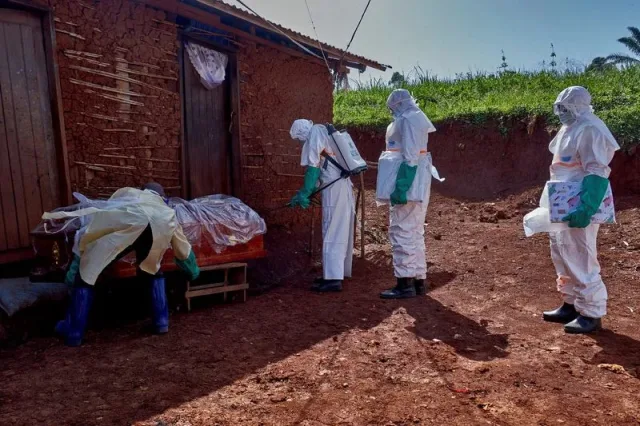
The number of confirmed Ebola cases in the Democratic Republic of the Congo (DRC) has surpassed 2,000, with 754 deaths reported, as health workers across the region intensify strikes over unpaid wages, further straining an already overwhelmed response effort. The outbreak, driven by the rare Bundibugyo virus, has been declared the fastest-growing on record, with 80% of new cases emerging from unknown chains of transmission, according to the World Health Organization (WHO).
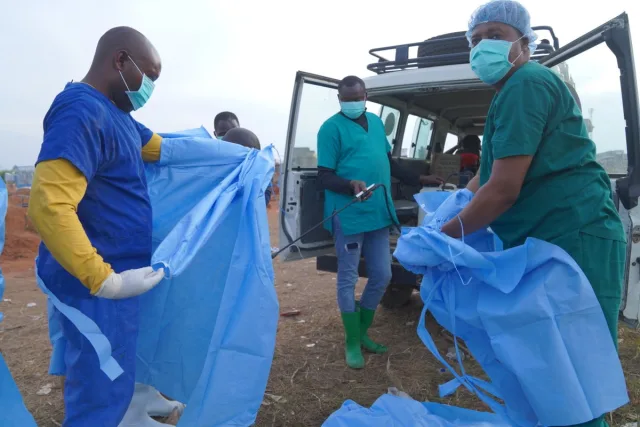
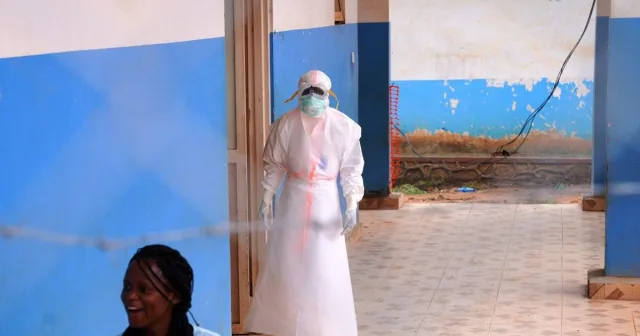
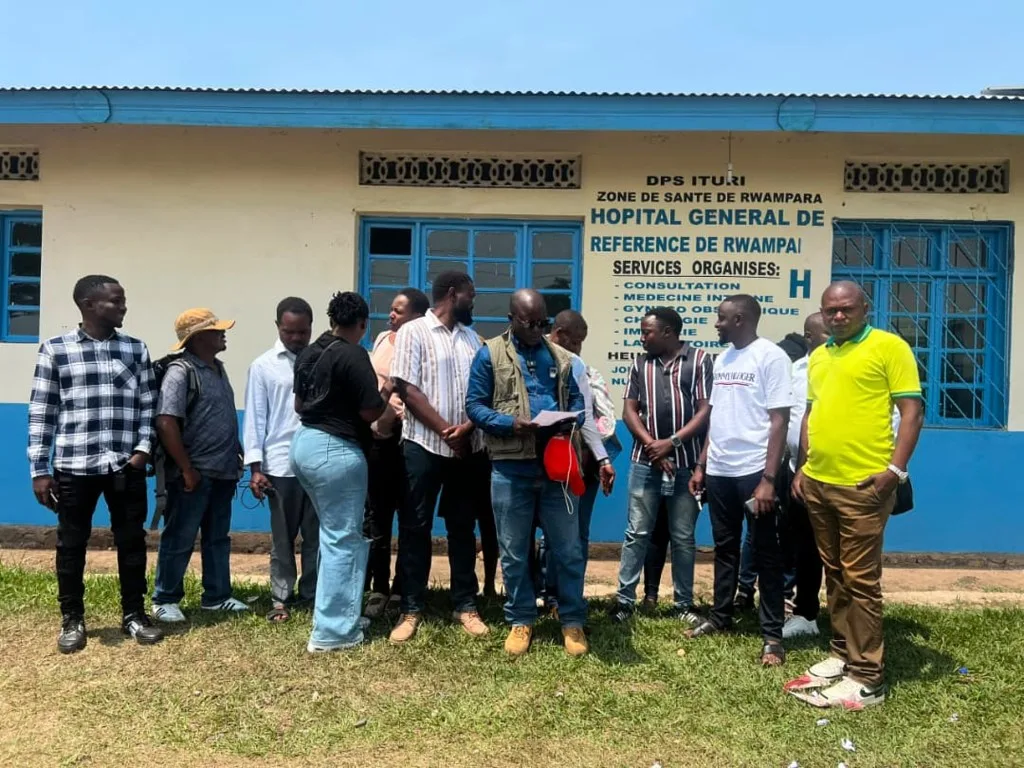
Health workers at Bunia General Hospital, the largest medical center in the Ituri province, began a strike on Wednesday, barricading the hospital entrance to demand overdue payments. This follows similar walkouts at an Ebola treatment center in Rwampara, where dozens of staff walked off the job earlier in the week over unpaid salaries and bonuses. The workers in Rwampara agreed to resume duties on Tuesday, but only if the government settles their outstanding payments within 72 hours. A statement from the striking workers warned that any further delays could result in “loss of life” if facilities close.
The outbreak, which began in May, has been exacerbated by a combination of factors, including a lack of approved vaccines or treatments for the Bundibugyo strain — unlike the more common Zaire virus — and challenges in contact tracing. Authorities have traced 67% of individuals exposed to confirmed cases, but the WHO has highlighted that 80% of new infections originate from untraceable transmission routes. This has been compounded by displacement due to armed conflict and mining activities, which have disrupted efforts to monitor and contain the virus.
Dr. Chikwe Ihekweazu, WHO emergencies chief, emphasized the gravity of the situation after visiting Bunia, where the outbreak has been most severe. He noted that many of the newly reported deaths involve individuals who died in their communities without access to healthcare, underscoring the failure of the response system to reach vulnerable populations. “The outbreak continues to outpace the response efforts,” he said, citing funding gaps, attacks on health centers, and local mistrust as critical barriers.
The WHO has also warned that the official death toll may be two to four times higher than reported, as underreporting is widespread. The agency has launched clinical trials for an antiviral drug to prevent infection in high-risk contacts, a potential breakthrough for the Bundibugyo strain, which has no approved treatment. Meanwhile, enrollment has begun for a study evaluating two experimental therapies in Ituri province, though these are still in early stages.
The strikes have further complicated containment efforts. At Bunia General Hospital, the strike has left patients without access to care, while the broader health system faces a dual crisis: managing the outbreak and addressing the grievances of workers who say they have not received pay since the outbreak began. The DRC’s Ministry of Health has yet to provide a public response to the demands, though officials have acknowledged the financial strain on frontline workers.
The outbreak’s rapid spread has also raised concerns about regional transmission. Cases have been confirmed in neighboring Uganda, and the WHO has urged increased surveillance and cross-border collaboration. Despite expanded response efforts, including the addition of 800 treatment beds in Bunia and 14 new laboratory facilities, the agency has warned that the situation remains “deeply concerning.”
As the DRC grapples with this crisis, the intersection of public health, conflict, and economic instability continues to shape the trajectory of the outbreak. With the WHO emphasizing that “the race is not yet won,” the coming weeks will test the resilience of both the health system and the communities it serves.
Dateline Wire is dedicated to independent, evidence-backed reporting. This briefing was synthesized from primary source reporting, corroborated across independent newsrooms, and verified against our Editorial Standards.