Congo Ebola cases top 2,000 as health workers strike over unpaid wages
Health workers in Ituri province have walked off the job to protest unpaid salaries, hampering critical contact tracing and patient care efforts.
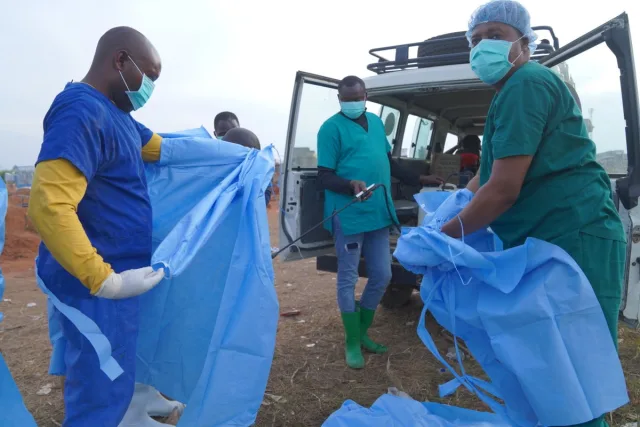
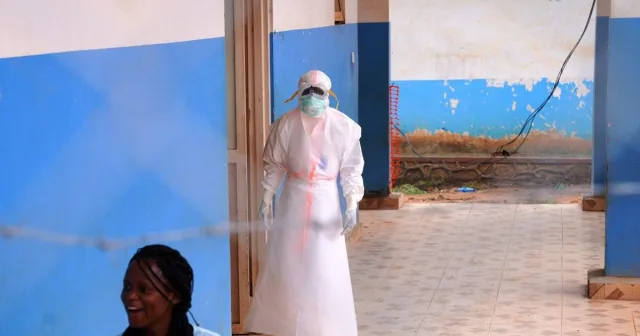
The number of confirmed Ebola cases in the Democratic Republic of the Congo has surpassed 2,000, with 754 deaths reported, as health workers across the eastern region of Ituri go on strike over unpaid wages, threatening to further destabilize an already strained response to the outbreak.
The outbreak, caused by the Bundibugyo virus—a strain without a licensed vaccine or treatment—has spread faster than health officials can track, with 80% of new cases emerging from unknown transmission chains. Government data shows 2,011 confirmed cases, 753 patients in isolation or hospitals, and 366 recoveries. However, the World Health Organization (WHO) warns the official death toll may be two to four times higher than recorded, as many victims die in their communities without accessing care.
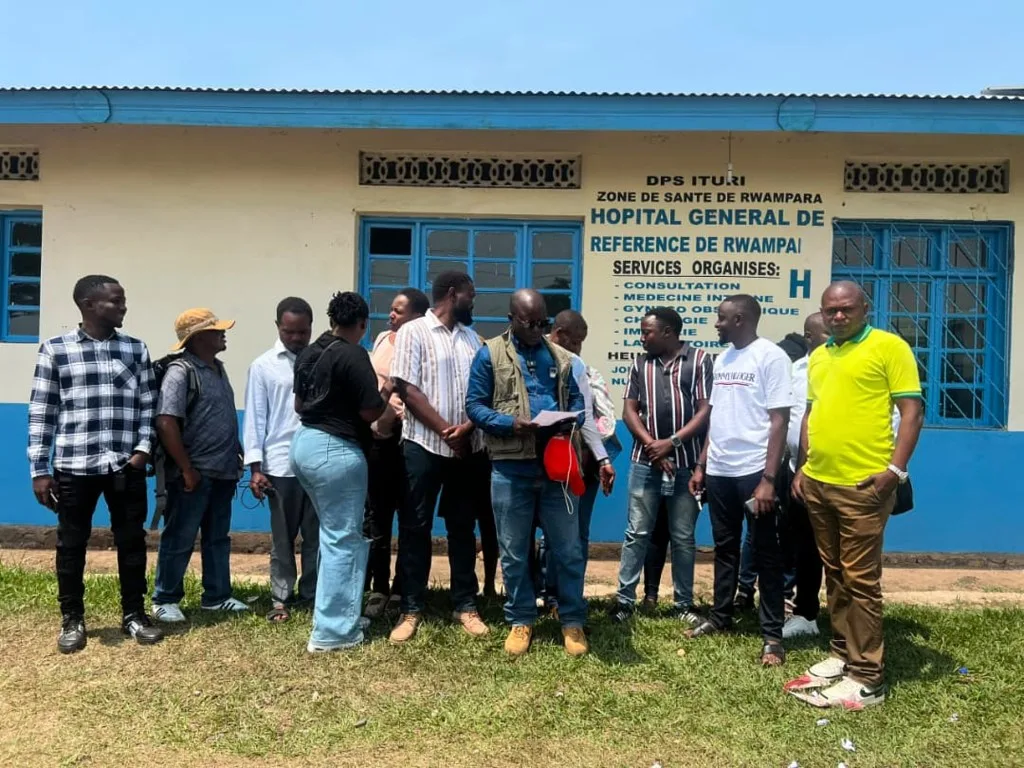
Health workers at Bunia General Hospital, the largest medical center in the Ituri province, began a strike on Wednesday after claiming they have not received payment since the outbreak was declared in May. They joined dozens of colleagues at an Ebola treatment center in Rwampara, who had walked off the job earlier in the week over unpaid salaries and bonuses. While some Rwampara workers agreed to return to work under a 72-hour payment deadline, the broader strike has paralyzed critical response efforts, including contact tracing and patient care.
“Since the Ebola virus disease outbreak was declared, we’ve been demanding payment for our work,” said Dr. Biensi Kano, a member of the epidemiological surveillance committee in Bunia. “The non-payment of benefits exposes us and our families to significant socio-economic difficulties and seriously undermines our living conditions.”
The strike comes amid a funding gap, attacks on health facilities, and ongoing conflict in eastern Congo. Health workers also face hostility from communities, with some reporting physical threats and skepticism about the virus. Dr. Ben Bakule, a community investigator, narrowly escaped an attack in May by a group of angry residents while tracing contacts of an Ebola case. “We spend money on transport to get to work. We thought we’d be rewarded. At the moment, nothing is going right because we’re not being paid,” he said.
The WHO has highlighted the challenges of tracing contacts, with only 67% of exposed individuals accounted for. Displacement from armed conflict and mining-related movements have further complicated efforts to identify transmission networks. “Health authorities have yet to identify the outbreak’s patient zero,” said Dr. Chikwe Ihekweazu, WHO emergencies chief, after a recent visit to Bunia. “Many of the newly reported deaths are those who died in their communities without ever reaching a health facility.”
Congo’s government has faced criticism for delayed payments, with officials attributing the issue to the closure of Bunia airport, which has hindered the flow of funds. “This is one of the reasons that may account for the delay in payment,” said Akilimali Pierre, an incident manager at the National Institute of Public Health. Meanwhile, a clinical trial for two potential treatments for the Bundibugyo virus has begun in Ituri, offering hope but no immediate solution.
The strike has intensified fears of a worsening crisis. Residents in Bunia, where the outbreak is most severe, worry that stalled response efforts will exacerbate economic hardship. “I would ask the authorities to resolve this situation before things get any worse,” said Anifa Kito, a local vendor. As the WHO and international partners urge swift action, the standoff between health workers and authorities underscores the fragile balance between public health and human dignity in one of the world’s most complex outbreaks.
Dateline Wire is dedicated to independent, evidence-backed reporting. This briefing was synthesized from primary source reporting, corroborated across independent newsrooms, and verified against our Editorial Standards.