Royal Mail plans to cut 2,500 head office and support jobs by the end of…
Royal Mail plans to cut up to 2,500 head office and support roles by the end of 2027 through voluntary departures, drawing criticism from labor unions.
- Headline: Royal Mail plans to cut 2,500 head office and support jobs by the end of…
- Dispatch Summary: Royal Mail plans to cut up to 2,500 head office and support roles by the end of 2027 through voluntary departures, drawing criticism from labor unions.
- Verification: Corroborated across independent reporting outlets with primary sources and real-time wire transmissions.
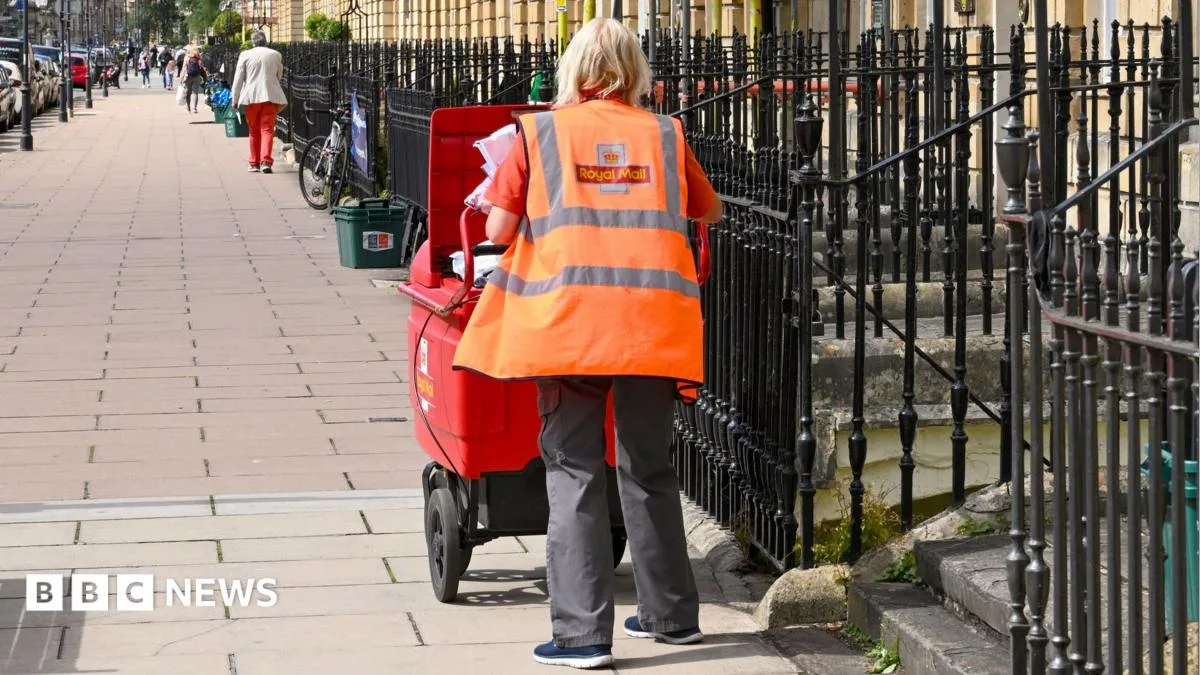
Royal Mail has promised that its latest structural overhaul will spare frontline postal workers and rely entirely on voluntary departures, yet labor representatives warn the move signals deeper institutional decay. The postal operator announced plans to cut up to 2,500 head office and support function roles by the end of 2027, representing about 2% of its total workforce of more than 131,000 employees. Chief Executive Alistair Cochrane framed the reduction as a vital step to remove duplication and modernize a business squeezed by collapsing letter volumes and intense competition in parcel delivery. At the same time, union leaders argue the cuts lay bare a failing enterprise that continues to demoralize staff while missing core delivery benchmarks.
That clash sets the stage for a difficult corporate pivot under the ownership of Czech billionaire Daniel Kretinsky's EP Group, which completed its takeover of parent company International Distribution Services last year. Management insists the reductions will be achieved through natural attrition and a voluntary exit program rather than compulsory redundancies. Yet the Communication Workers Union views the announcement as proof of a collapsing operation, pushing back against corporate messaging that frames the downsizing as a sign of strength.
Who is affected by the restructuring and where do the cuts fall?
The job reductions target corporate overhead rather than postal delivery routes. Workers in head office and support function roles across locations including Essex face potential exits, while frontline operational staff such as posties and drivers remain untouched by the proposed restructuring. Royal Mail currently employs more than 131,000 people, meaning the elimination of up to 2,500 positions accounts for less than 2% of the total headcount.
- Head office and support function personnel
- Workers across regional support operations, including Essex
- Members represented by the Communication Workers Union and Unite CMA
That division protects the daily mail sorting and collection apparatus from immediate fallout, but it does little to appease labor critics who argue that corporate restructuring ignores the wider pressures facing the network. The company recently announced plans to hire 22,000 temporary workers – in roles including sorting, delivery and collection and HGV and MGV drivers – to cover the seasonal jump in mail volumes, including online purchases over Black Friday and Cyber Monday in November, and Christmas deliveries, highlighting the stark contrast between its permanent corporate shrinkage and seasonal frontline recruitment.
What drove Royal Mail to slash thousands of corporate roles right now?
The cuts arrive against a backdrop of severe structural decline in traditional mail. Letter volumes have declined by more than 70% since their peak, dropping from 20bn letters a year to 6.7bn, with projections showing totals could sink to 4bn within four years. Over that same timeframe, the number of addresses it serves has risen by 4m, amplifying the physical strain on the delivery network. Royal Mail has also faced persistent regulatory penalties, accumulating £37m in fines since 2023 for missing statutory delivery targets set by Ofcom.
Performance data shows the company delivered just over 75% of first class letters on time in the year to the end of March, far off its target of 93%. In the first quarter of the year, the firm reported that 85% of first-class deliveries the next day and 91.4% of second-class mail within three working days, against Ofcom requirements of 90% and 95% respectively. Although Ofcom lowered previous delivery targets for first-class from 93% and second-class from 98.5% as part of universal service reforms on April 1, public and political friction remains intense. More than 100 MPs have written to regulator Ofcom and the business secretary asking for something to be done about the poor service their constituents say they are receiving.
How do management and labor leaders view the future of the postal service differently?
Executive leadership contends that streamlining administrative processes is the only way to fund future improvements. EP Group owner Daniel Kretinsky has previously said he will not walk away from the requirement to deliver letters throughout the UK six days a week, as long as he is running the service, and management points to a planned £500m investment over the next five years as part of its improvement plan.
Union officials reject that optimistic outlook. We urge the government to confront the reality of a collapsing Royal Mail and intervene to save this national institution,
said deputy general secretary Martin Walsh told the BBC, calling the cuts further evidence of a company that is demoralising staff and failing to deliver for customers and the wider community.
That deep institutional distrust stems from years of soaring stamp prices—including a 10p, or 6%, price hike in April that pushed first-class stamps to £1.80, more than doubling their cost since 2020—alongside chronic delivery failures that have left customers paying more for slower service.
What major milestones brought the postal operator to this juncture?
The ongoing transformation of Britain's postal system is anchored by several critical regulatory and corporate developments:
- 2022: Royal Mail last made a big round of cuts when it said it was looking to eliminate up to 10,000 roles, including 6,000 full-time frontline jobs.
- End of April last year: Shareholders approved the takeover of Royal Mail’s parent company, International Distribution Services, by Czech billionaire Daniel Kretinsky's EP Group.
- April 1: The watchdog lowered previous delivery targets for first-class from 93% and second-class from 98.5% as part of universal service reforms, following Ofcom giving IDS permission to loosen Royal Mail’s universal service obligation, ending second-class post on Saturdays and reducing service to alternate weekdays from Monday to Friday.
- June: The postal regulator launched an investigation into Royal Mail for once again missing its annual delivery targets, with almost a quarter of first-class mail arriving late.
- October 7: Royal Mail announced plans to cut up to 2,500 head office and support function roles by the end of 2027.
That timeline demonstrates that corporate contraction is accelerating even as regulatory oversight tightens. The business desk will track the formal union consultations and the progress of the voluntary redundancy program through the end of next year to determine whether administrative savings translate into improved delivery metrics for households.