Xbox Denies Exclusive GTA 6 Streaming Rights And PC Access
Xbox has clarified that Grand Theft Auto 6 will not feature exclusive streaming rights or cloud access for PC players ahead of its November launch.
- Headline: Xbox Denies Exclusive GTA 6 Streaming Rights And PC Access
- Dispatch Summary: Xbox has clarified that Grand Theft Auto 6 will not feature exclusive streaming rights or cloud access for PC players ahead of its November launch.
- Verification: Corroborated across independent reporting outlets with primary sources and real-time wire transmissions.
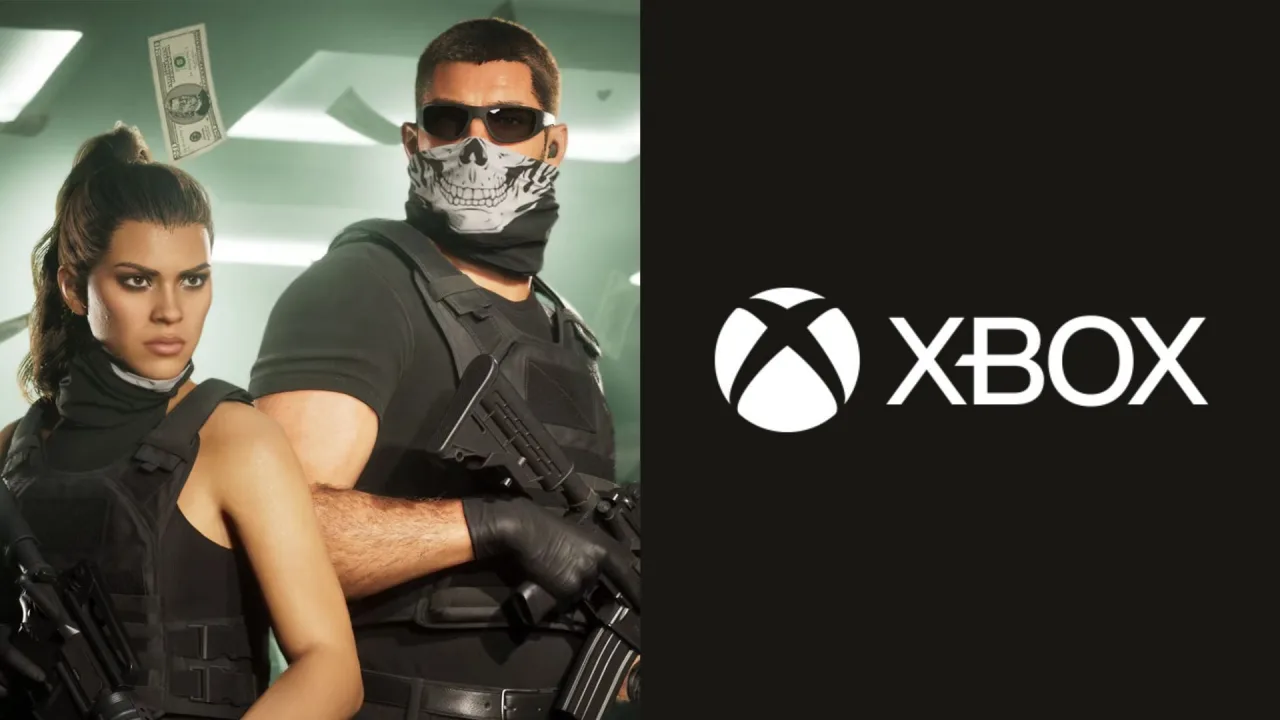
Microsoft sparked intense speculation across the gaming industry after Xbox CEO Asha Sharma told employees during an internal all-hands meeting that the company was preparing something around Grand Theft Auto 6 that no other platform holder is doing. Sources subsequently indicated to The Verge that Xbox had secured game streaming rights for the upcoming blockbuster at launch. For personal computer users facing the prospect of waiting months for a native port, the news pointed to a potential workaround allowing them to stream the game via Xbox Cloud Gaming when it arrives on November 19.
That hope was short-lived. Following the initial reports, Xbox chief strategy officer Matthew Ball took to X to clarify the agreement, posting: We are looking forward to launching [GTA 6] on Xbox November 19, though the game will not be streaming exclusively or to PC.
The clarification shut down expectations of an exclusive streaming monopoly and definitively closed the door on personal computers accessing the game through web browsers or apps normally used for Xbox Cloud Gaming.
The Cloud Streaming Landscape And Platform Stakes
The confusion began when The Verge reported on Sharma’s remarks, leading outlets to deduce that Microsoft had snatched exclusive streaming rights from rivals such as GeForce Now. While those rival services miss out on a massive draw, PlayStation owners retain their position unaffected, as PlayStation holds exclusive marketing rights for the game through a partnership with publisher Take Two Interactive. Rockstar Games has confirmed that Grand Theft Auto 6 is launching on PlayStation 5 and Xbox Series X and Series S, continuing its historical trend of delaying computer releases, as Grand Theft Auto V reached personal computers 19 months after its console debut while Red Dead Redemption 2 took 13 months.
Ball’s correction implies that the negotiated streaming rights apply strictly to Xbox console streaming. This leaves personal computer players back where they started, forced to wait for an official port announcement from Rockstar, which has not yet provided a release window for a computer version. At the same time, the timing intersects with a major overhaul of Microsoft’s cloud infrastructure. Beginning in November, the company is capping monthly cloud play hours across subscription tiers:
- Xbox Game Pass Ultimate subscribers get 15 hours
- Premium subscribers get 10 hours
- Essential subscribers get 5 hours
What Players Face Ahead Of The November Launch
The convergence of a metered cloud service and a massive open-world release creates a difficult math problem for dedicated fans. Fifteen hours of cloud streaming barely scratches the surface of a typical Rockstar title. Gamers hoping to utilize cloud options will face strict limits, potential pay-as-you-go fees, and the requirement to purchase a copy of the game separately through the Xbox store.
Retail markets are already reacting to the impending release. Retailer GameStop is listing pre-owned PlayStation 5 Pro consoles for $1,400, marking up the price by $500 compared to brand new hardware, driven by severe inventory shortages at other retailers ahead of the launch.
For players watching these developments, the immediate path forward depends entirely on hardware ownership. Console owners on PlayStation 5 and Xbox Series X and Series S can mark November 19 on their calendars. Personal computer users, meanwhile, must decide whether to invest in console hardware or wait out Rockstar's eventual port schedule without the safety net of a cloud streaming workaround.