G7 to release 100m barrels of oil and diesel to combat surging prices
The G7 has announced a coordinated release of 100 million barrels of oil and diesel reserves to stabilize surging fuel prices and market volatility.
- Headline: G7 to release 100m barrels of oil and diesel to combat surging prices
- Dispatch Summary: The G7 has announced a coordinated release of 100 million barrels of oil and diesel reserves to stabilize surging fuel prices and market volatility.
- Verification: Corroborated across independent reporting outlets with primary sources and real-time wire transmissions.

G7 Unveils 100m-Barrel Oil and Diesel Release to Curb Prices
The Group of Seven (G7) nations announced a coordinated release of 100 million barrels of oil and diesel reserves to stabilize surging fuel prices, marking one of the largest emergency energy interventions in recent history. The decision, revealed during a video conference led by French President Emmanuel Macron, comes amid escalating global energy market volatility driven by the Iran war, Ukraine conflict, and geopolitical tensions in the Strait of Hormuz.
The release, to be managed by the International Energy Agency (IEA), will occur over four months, with a significant portion of diesel reserves prioritized in the first 20 days. G7 leaders emphasized that the move aims to alleviate pressure on households and businesses, particularly as diesel prices in the UK surpassed £2 per litre — a record high — on Friday, 2 October 2026. The RAC motoring group noted that filling an average family car now costs £110, a £32 increase since the Iran war began.
| Detail | Information |
|---|---|
| Reserve Release | 100 million barrels of oil and diesel, coordinated by IEA |
| Timeframe | Over four months, with substantial diesel release within 20 days |
| Previous IEA Action | 400 million barrels released in March 2026 during Middle East crisis |
| Diesel Price Impact | UK: £2 per litre; US: $6.50 per gallon; European futures: $200 per barrel |
Trump’s Pressure and European Resistance
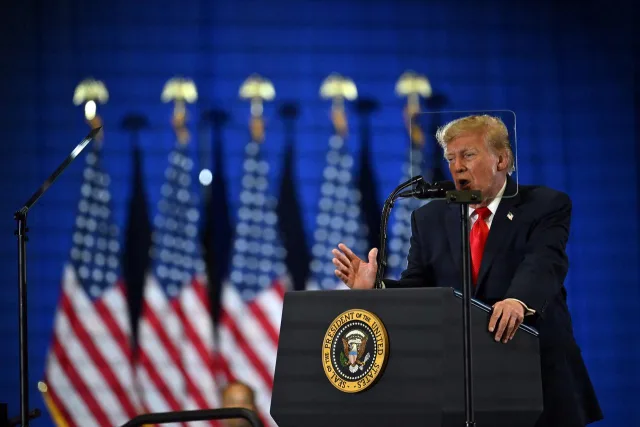
The G7 decision followed intense pressure from US President Donald Trump, who threatened to impose a diesel export ban unless European nations released reserves. Trump, who has prioritized lowering domestic fuel prices ahead of November’s midterm elections, praised the move on Truth Social, calling it a “massive amount” of diesel. However, European leaders resisted, with the EU rejecting the idea of a US export ban as a “disaster” for transatlantic relations.
French President Macron emphasized the need for “no export restrictions” between G7 countries, a pledge echoed by other leaders. European Commission spokesperson Anna-Kaisa Itkonen warned that a US diesel ban would “undermine trust in the US as a reliable partner.” Despite this, Macron acknowledged France’s commitment to releasing its own reserves, stating, “France will make this effort for our stocks, which is a desire to send a clear signal to markets.”
The G7’s plan also builds on a March 2026 agreement, when the IEA coordinated the release of 400 million barrels of oil to counter price shocks from the Middle East conflict. At the time, the agency noted that the release represented a third of its total government stockpiles. However, some European countries had not yet fulfilled their obligations, according to IEA chief Fatih Birol.
Market Reactions and Unresolved Challenges
Global energy markets reacted swiftly to the announcement. European diesel futures dropped 8% to $1,337.75 per tonne, while US wholesale diesel fell nearly 5% to $4.43 per gallon. Brent crude oil, however, remained near $100 a barrel, reflecting ongoing supply concerns. Analysts cautioned that the reserve release may not address deeper structural issues, such as the disruption of oil flows through the Strait of Hormuz and Russia’s export restrictions following Ukrainian attacks on refineries.
“The core issue the US faces is not a diesel problem. It is a global energy problem,” said Walt Chancellor of Macquarie Group, according to CNBC. He argued that “more oil through the strait of Hormuz” was needed to resolve the crisis. Meanwhile, the IEA reported that about one-third of the March 2026 reserves had yet to reach the market, raising questions about the timing and effectiveness of the latest intervention.
Broader Geopolitical Context
The G7’s decision coincides with heightened military tensions in the Middle East. The US has deployed thousands of troops and aircraft carriers to the region, including the USS Theodore Roosevelt, as part of a broader strategy to counter Iranian influence. Meanwhile, Iran has warned of “very hard” responses to any US military actions, while Yemen’s conflict and disruptions in the Bab el Mandeb Strait threaten global food and fuel supplies.
The move also underscores the interconnectedness of energy, geopolitics, and economic stability. With eurozone inflation reaching 3.8% in September, its highest level in three years, central banks and governments face mounting pressure to stabilize markets. However, the G7’s intervention may only provide temporary relief, as the underlying factors driving price spikes, such as the Iran war and Ukraine conflict, remain unresolved.
Frequently Asked Questions
How much oil and diesel will the G7 release?
The G7 agreed to release 100 million barrels of oil and diesel reserves, coordinated by the IEA. The exact split between crude and diesel was not specified in the official statement.
When will the reserves be released?
The release will occur over four months, with a substantial portion of diesel reserves to be deployed within the first 20 days. The IEA will oversee the coordination of the drawdown.
Why is the US pushing for this release?
US President Donald Trump pressured European nations to release reserves to lower domestic fuel prices ahead of the November midterm elections. He also threatened a diesel export ban if Europe did not comply.
The G7’s intervention highlights the fragile balance between short-term market stabilization and long-term energy security. As the IEA prepares to monitor the release’s impact, the next critical test will come in the coming weeks, when the full effects of the reserve drawdown, and the ongoing Middle East crisis, will become clearer. For now, the move offers a temporary reprieve for consumers but leaves unresolved the deeper challenges threatening global energy markets.
How significant is this wire dispatch?
Cast your anonymous vote to register reader consensus across journalism and intelligence sectors.
Dateline Wire is dedicated to independent, evidence-backed reporting. This briefing was synthesized from primary source reporting, corroborated across independent newsrooms, and verified against our Editorial Standards.