Gaza water and power systems remain devastated three years into Israeli war
Three years into the war in Gaza, water production has plummeted to 40% of pre-war levels and 91% of households face water insecurity despite a ceasefire.
- Headline: Gaza water and power systems remain devastated three years into Israeli war
- Dispatch Summary: Three years into the war in Gaza, water production has plummeted to 40% of pre-war levels and 91% of households face water insecurity despite a ceasefire.
- Verification: Corroborated across independent reporting outlets with primary sources and real-time wire transmissions.
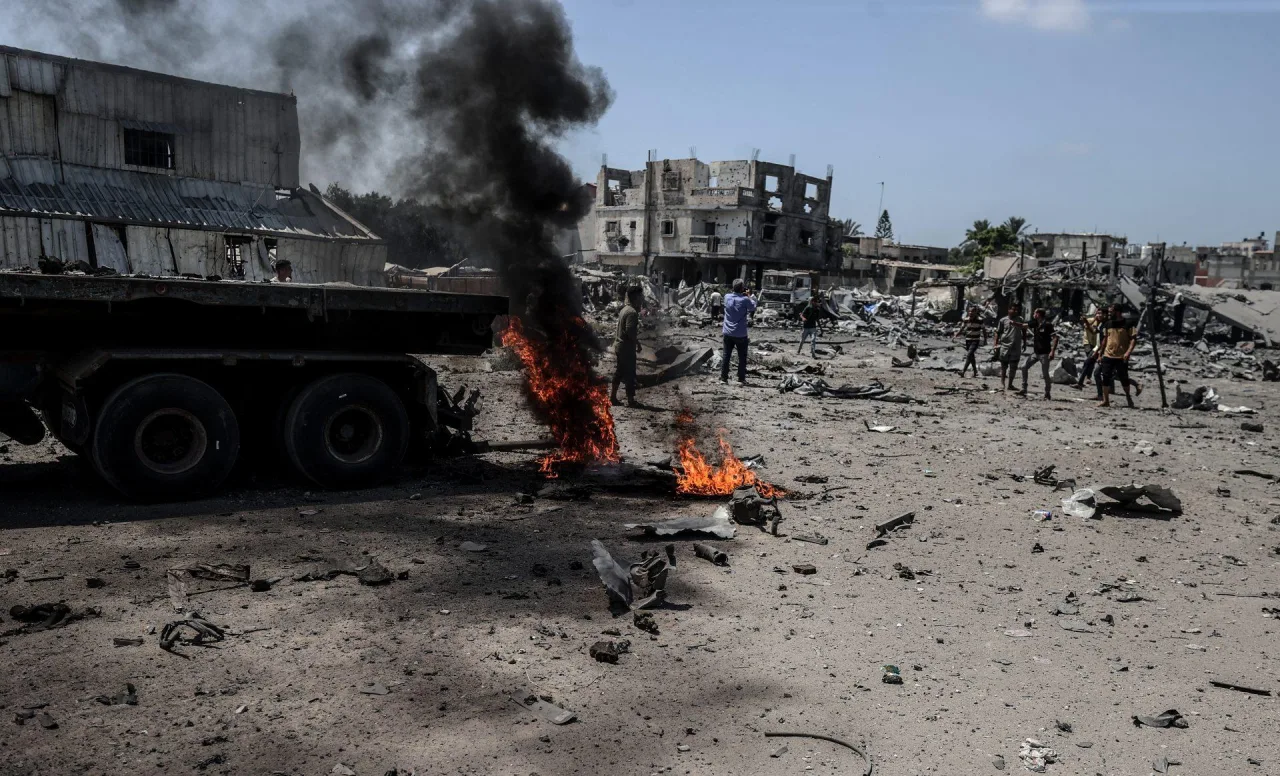
Three years after Israel launched its war on Gaza following the October 7, 2023, attack by Hamas and other Palestinian groups, the territory's water and power systems remain devastated, leaving 91% of households experiencing moderate to high water insecurity. What remains hardest to grasp is that even with a ceasefire that took effect on October 10, 2025, water production has plummeted to around 40% of pre-war levels while military demolitions continue unabated across roughly 60% of the territory under Israeli control.
The conflict began on October 7, 2023, when Hamas’s armed wing, the Qassam Brigades, and other Palestinian groups attacked southern Israel, killing 1,139 people and taking about 240 captive. Israel responded with a military campaign that has killed at least 74,000 Palestinians, including at least 21,000 children, and injured more than 175,000 people, according to figures reported by Al Jazeera from the Palestinian Ministry of Health. Over the course of three years, the landscape has been systematically altered as military bulldozers and explosives have razed towns like Rafah to the ground.
How did the water and power lifeline collapse?
The destruction of vital infrastructure has fundamentally transformed daily survival. A survey cited by the UN Office for the Coordination of Humanitarian Affairs in September found that 31% of households had total water access below minimum humanitarian standards, while 57% fell below those standards specifically for drinking water. Furthermore, 88% of above ground Water, Sanitation and Hygiene assets and 76% of underground networks have sustained damage.
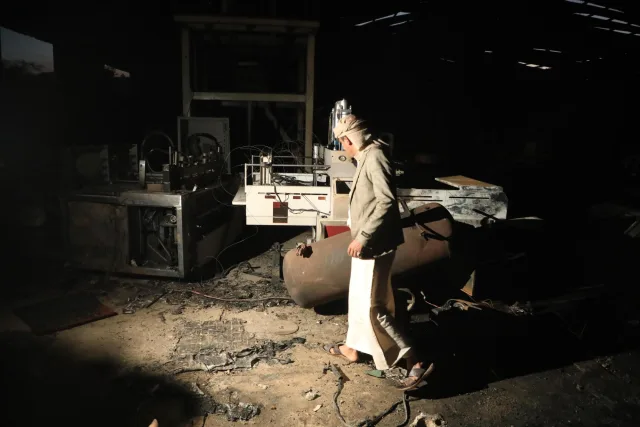
Electricity shortages compound every operational challenge. UN figures indicate that 90% of Gaza's energy infrastructure has been destroyed, and the territory has gone for more than two and a half years without a regular electricity supply. Wells, desalination plants, and sewage pumping stations rely entirely on generators, which face severe fuel shortages and restrictions on spare parts. Utility officials cited by the Alliance for Water Justice in Palestine in June estimated that rebuilding the power grid will take three to five years even if reconstruction materials enter immediately.
Water quality has deteriorated sharply alongside these shortages. Testing across functional laboratories revealed that more than 73% of water samples failed to meet World Health Organization recommended free residual chlorine levels in August, while microbiological contamination nearly tripled between January and August, driving up cases of acute watery diarrhea.
How has the landscape shifted since the ceasefire?
- October 7, 2023: Hamas and other groups attack southern Israel, killing 1,139 people and capturing about 240, prompting Israel's military campaign.
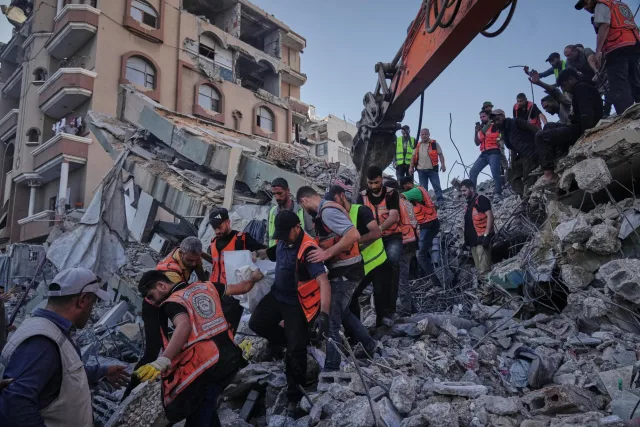
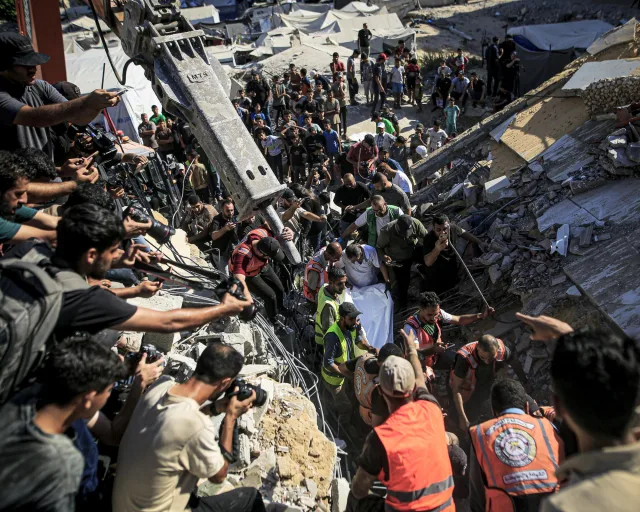
- December 2023: A building strike in Gaza City traps 17 members of Haneen al-Khodari's family under wreckage; a search team recovers only three remains after eight hours digging three years later.
- September 2024: Najwa Abu Eita loses her 7-year-old daughter in an airstrike on Nuseirat that leaves her severely injured.
- June 2025: The Israeli military shuts down the empty Indonesian Hospital in Jabaliya as troops build new outposts nearby.
- October 10, 2025: A ceasefire takes effect, though Al Jazeera reports that Israel has subsequently attacked Gaza on 325 of the past 361 days, killing more than 1,000 people.
- January 1, 2026: The start of a period where Doctors Without Borders reports all requests for entry of supplies through the Israeli-controlled system were denied.
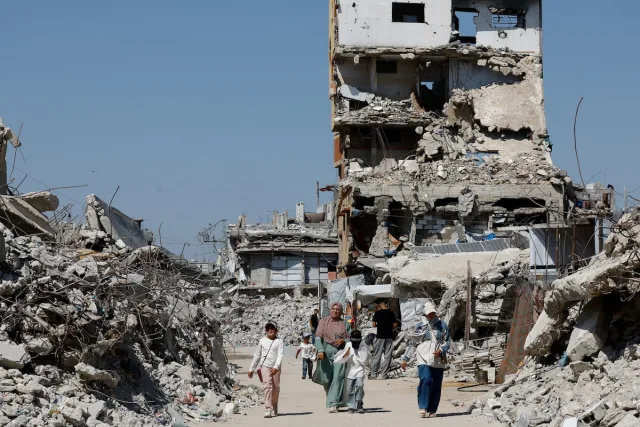
Satellite imagery by Planet Labs PBC shows that the vast majority of buildings in the Israeli-held 60% of Gaza have been leveled or plowed into rubble. At least 50 military outposts now stand across the territory, with 18 built after the ceasefire began. Towns such as Beni Suhaila and Jabaliya have been transformed into dirt-path wastelands and military bases, while the large-scale reconstruction plan tied to the ceasefire has stalled because Israel and Hamas have failed to reach a deal on disarming the militant group.
Who is affected and what are they experiencing?
Nearly 1.98 million Palestinians, or 90% of the population, have been displaced, squeezed into about 40% of the territory. Hanadi Al Aff, a displaced mother living in Gaza City, told the International Committee of the Red Cross in June that her children spend hours carrying water in buckets instead of attending school. Shadi Barawi, a 35-year-old former barber who lost his father early in the war and suffered a leg amputation, balances on crutches to cut hair in his tent to support a family of six and his five sisters.
Health conditions have deteriorated across crowded displacement sites. Doctors Without Borders reported that nearly one in four people interviewed between May and August 2025 experienced diarrhea in the previous month, while skin diseases like scabies and lice accounted for nearly 18% of primary healthcare consultations. OCHA reports that 94% of Gaza's healthcare facilities are fully or partially out of service.
What do international bodies and officials say?
International organizations have issued sharp warnings regarding the humanitarian crisis. Doctors Without Borders stated in an April report that Israeli authorities have used access to water as a weapon to systematically deprive people in Gaza through collective punishment. A UN-appointed expert warned in February that the scale of destruction of civilian housing and infrastructure could constitute a crime against humanity or reach the level of genocide.
Israel rejects accusations of genocide, maintaining that its military operations target Hamas militants and their infrastructure embedded within civilian areas. The Israeli military states that buildings are demolished to prevent their use by combatants or to destroy tunnel networks. Meanwhile, the United States insists the ceasefire is holding despite near-daily strikes, and UNICEF allocates 19.4% of its $746.8 million humanitarian funding requirement for the occupied Palestinian territory to water, sanitation, and hygiene.
With reconstruction barred by restrictions on building materials, damaged infrastructure and contaminated water supplies leave the population dependent on emergency measures. The central question remains whether international pressure and negotiations can alter border policies to allow essential machinery, pipes, and electrical equipment into the strip before basic services collapse entirely.