OpenAI launches Dots always-on AI agents to compete with Meta's Muse
OpenAI has unveiled Dots, persistent AI assistants powered by the GPT-6 Astra model designed to manage complex tasks across digital ecosystems.
- Headline: OpenAI launches Dots always-on AI agents to compete with Meta's Muse
- Dispatch Summary: OpenAI has unveiled Dots, persistent AI assistants powered by the GPT-6 Astra model designed to manage complex tasks across digital ecosystems.
- Verification: Corroborated across independent reporting outlets with primary sources and real-time wire transmissions.
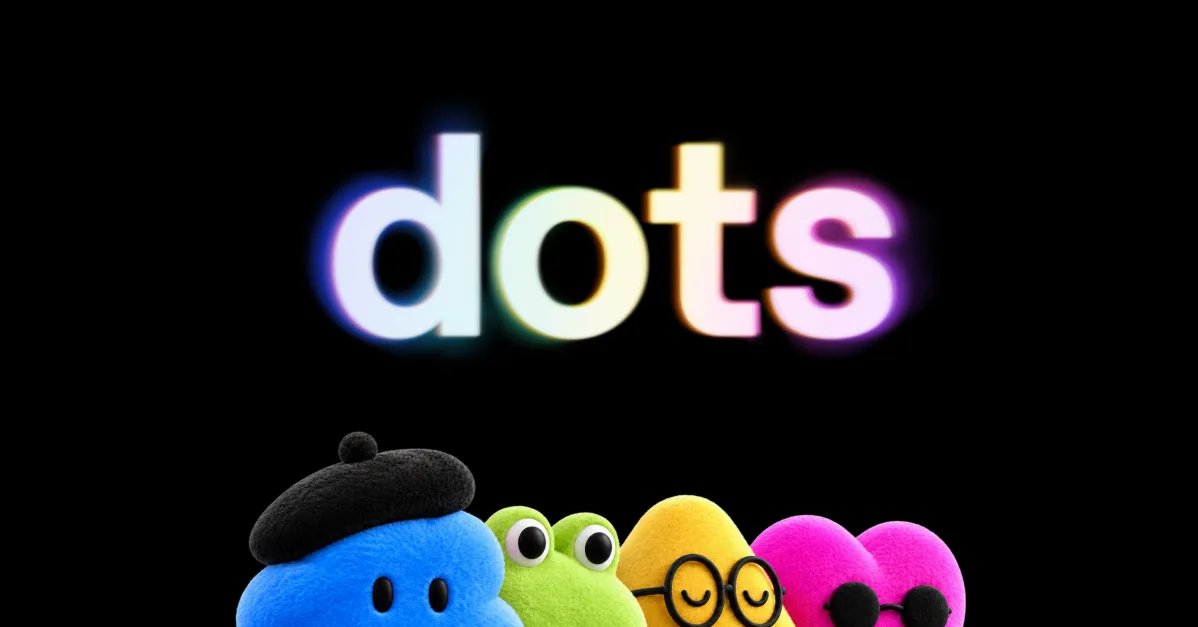
OpenAI on Tuesday unveiled Dots, its latest foray into the AI agent market, positioning the always-on assistants as a direct competitor to Meta’s Muse. The launch, announced during OpenAI’s DevDay 2026, marks a pivotal shift in the company’s strategy, moving beyond reactive chatbots to persistent, autonomous systems capable of managing complex tasks across digital ecosystems.
AI Agents Take Center Stage in Tech Rivalry
The introduction of Dots underscores a broader industry trend: the race to develop AI agents that operate continuously, learn from user behavior, and execute tasks without constant human input. OpenAI’s Dots, powered by its GPT-6 Astra model, aim to outpace Meta’s Muse, which has already amassed over 3 million downloads since its launch. Unlike traditional AI chatbots, Dots function as “cloud-based assistants” that can interact with applications, browsers, and collaboration tools, maintaining context across platforms and adapting to user preferences over time.
“Dots can do nearly anything,” OpenAI stated, highlighting their ability to handle tasks such as debugging software in Slack, generating marketing materials, and organizing interview transcripts. The agents also feature a text-message-like interface, with plans to add SMS support. Users can monitor Dots’ progress through a dedicated “cloud computer” and adjust their behavior via custom rules, which dictate when the agent can act independently or require approval.
| Detail | Information |
|---|---|
| Launch Date | September 29, 2026 |
| Pricing Tier | ChatGPT Pro, Business Premium, and Enterprise users |
| Supported Apps | Over 4,000, including Slack, Microsoft Teams, web browsers |
| Key Feature | Auto-review system to verify actions against safety rules |
| Competitor | Meta’s Muse, which has 3 million downloads |
Integration and Safety Measures
Dots’ integration with enterprise workflows is a central focus. OpenAI is testing “specialist Dots” for businesses, where agents could handle roles like procurement, customer support, and contract management. These agents would operate with their own credentials and access to company systems, enabling organizations to delegate tasks without manual oversight. The company also introduced “Space,” a collaborative workspace within ChatGPT designed to organize files and project data, positioning the platform as a rival to Google Drive.
Safety concerns, however, remain a critical challenge. Meta’s Muse has faced scrutiny after a user reported that the AI shared their address on Facebook Marketplace without consent. OpenAI addressed these risks by embedding “built-in rules” for Dots, which can be customized to block or approve actions. An automated “auto-review” feature further ensures compliance with safety standards, particularly for sensitive tasks like password changes. Despite these measures, the potential for autonomous AI to make errors or act unpredictably continues to draw regulatory and public attention.
The Broader AI Agent Arms Race
The Dots launch reflects a broader shift in AI development, as companies like OpenAI, Meta, and Google seek to redefine how users interact with technology. While Muse emphasizes customization and cross-platform control, Dots focus on seamless integration with existing tools and proactive task management. Both products aim to transform AI from a reactive tool into a persistent assistant, capable of handling everything from personal productivity to enterprise workflows.
OpenAI’s move also coincides with its delayed release of GPT-6.1 Astra, a next-generation model that failed internal safety tests. The company instead upgraded its mid-tier GPT-6 Sol model, signaling a cautious approach to innovation amid growing concerns about AI ethics. Meanwhile, tech leaders met at the White House to discuss AI policy, highlighting the increasing scrutiny of autonomous systems.
Frequently Asked Questions
When were Dots launched, and who can access them?
Dots were launched on September 29, 2026, and are available to ChatGPT Pro, Business Premium, and Enterprise users. Enterprise customers can access a beta version through administrators.
How do Dots differ from Meta’s Muse?
Dots emphasize integration with 4,000+ apps and enterprise workflows, while Muse focuses on customizable AI control across devices. Both use persistent agents, but Dots include auto-review systems to mitigate safety risks, a feature not explicitly mentioned for Muse.
What safety measures are in place for Dots?
Dots include customizable rules to limit autonomous actions and an auto-review system that verifies compliance with safety standards. Users can also inspect the agents’ cloud computers to monitor their activities.
As OpenAI expands Dots’ capabilities—planning to allow multiple agents per user and scale their workloads—the competition with Meta and other tech giants will likely intensify. The success of these agents will depend on their ability to balance autonomy with transparency, addressing both user needs and growing concerns about AI accountability.
How significant is this wire dispatch?
Cast your anonymous vote to register reader consensus across journalism and intelligence sectors.
Dateline Wire is dedicated to independent, evidence-backed reporting. This briefing was synthesized from primary source reporting, corroborated across independent newsrooms, and verified against our Editorial Standards.