UK diesel prices hit record high of 199.18p per litre
UK diesel prices have reached a record 199.18p per litre due to geopolitical tensions and disrupted oil shipping routes, pushing family car fill-ups to £110.
- Headline: UK diesel prices hit record high of 199.18p per litre
- Dispatch Summary: UK diesel prices have reached a record 199.18p per litre due to geopolitical tensions and disrupted oil shipping routes, pushing family car fill-ups to £110.
- Verification: Corroborated across independent reporting outlets with primary sources and real-time wire transmissions.
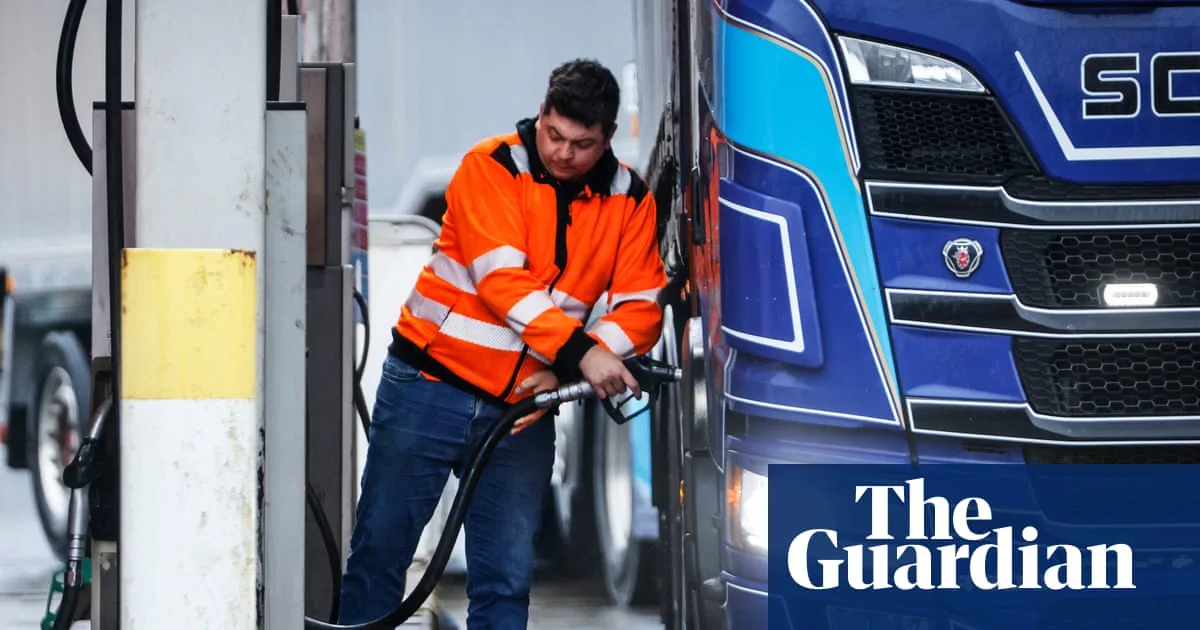
The price of diesel on UK forecourts has reached an all-time high of 199.18p per litre, marking a significant escalation in fuel costs driven by geopolitical tensions and supply chain disruptions. This record-breaking level, reported by multiple outlets including theguardian.com and eadt.co.uk, exceeds the previous peak of 199.09p recorded in June 2022 following Russia’s invasion of Ukraine. The increase has been attributed to ongoing conflicts in the Middle East, particularly the US-Iran standoff, which has disrupted critical oil and gas shipping routes.
Record Prices and Geopolitical Drivers
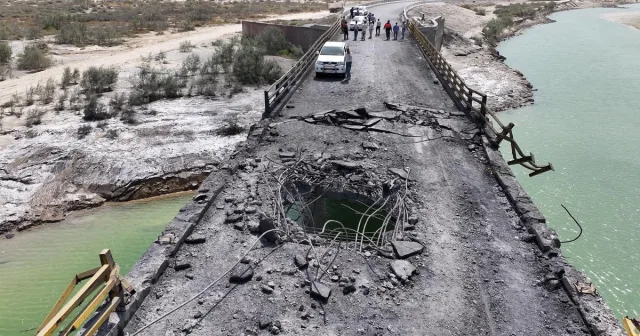
The current diesel price of 199.18p per litre represents a 56.8p rise from the average of 142.38p recorded on 28 February 2026, the start of the US-Iran conflict. This surge has been exacerbated by Donald Trump’s rejection of Iran’s proposal for a seven-day peace deal to reopen the Strait of Hormuz, a vital corridor for global oil shipments. The RAC, the UK’s largest motoring organisation, highlighted that the price could soon surpass the £2 mark, further straining households and businesses.
Simon Williams, head of policy at the RAC, emphasized the far-reaching implications of the price hike. “The diesel price has entered new uncharted territory,” he said. “This spells pain not only at the pumps for drivers, but for everyone who buys goods or services that rely on diesel lorries and vans. Undoubtedly, these increased costs will be passed on to consumers.”
| Detail | Information |
|---|---|
| Record diesel price | 199.18p per litre (new high) |
| Previous record | 199.09p per litre (June 2022) |
| Price increase since February 2026 | 56.8p per litre |
| Cost to fill an average family car | £110 (up £31 from February 2026) |
| Unleaded petrol price | 174.13p per litre (up 41.3p since February 2026) |
Impact on Industries and Consumers
The rising fuel costs are having a cascading effect across the UK economy. Dr Jonathan Owens, an operations and supply chain expert at the University of Salford, warned that “a geopolitical event and potential policy decision thousands of miles away can travel rapidly through our supply chain.” Sectors reliant on road freight — including supermarkets, manufacturing, and agriculture, face heightened costs, which are likely to be passed on to consumers.
The scaffolding industry, which heavily depends on diesel-powered vehicles, has been particularly hard-hit. According to scaffmag.com, fuel costs for scaffolding contractors have surged, with the UK average reaching 199.2p per litre. A Road Haulage Association survey revealed that 84.6% of operators have seen reduced profit margins due to rising fuel costs, while only 10% can fully pass these expenses to customers. This financial pressure is compounded by the fact that many contracts are priced months in advance, leaving firms unable to adjust to sudden price spikes.
Government Response and Calls for Relief
The UK government has extended the 5p-per-litre fuel duty cut until 31 December 2026, but the RAC has urged further action. Simon Williams called for the discount to be expanded or for VAT on fuel to be reduced, warning that “another 5p a litre will be loaded on to pump prices by the spring if the current fuel duty cut is fully reversed as planned.”
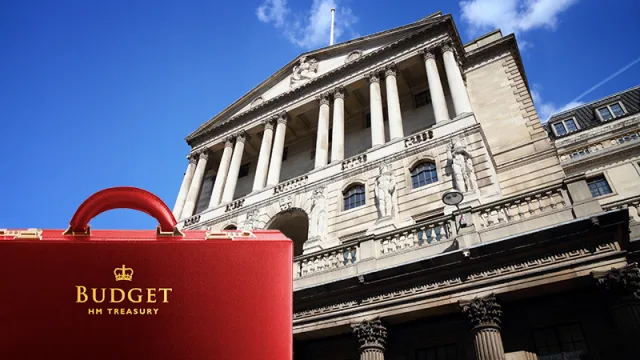
Trump’s potential consideration of a US diesel export ban to curb global prices has also drawn attention. Meanwhile, the Government is set to announce its 2027 fuel policy during the upcoming Budget, with industry groups like the Road Haulage Association advocating for a continued fuel duty freeze and an essential-user rebate for commercial vehicles.
Frequently Asked Questions
What caused the UK diesel price to hit a record high?
The record price of 199.18p per litre is linked to geopolitical tensions, including the US-Iran conflict and disruptions to oil shipping routes. Donald Trump’s rejection of a peace deal for the Strait of Hormuz further exacerbated supply chain pressures.
How much does it cost to fill a car with diesel now?
The RAC estimates that filling an average family car with diesel now costs nearly £110, a £31 increase from the start of the US-Iran conflict in February 2026.
What actions is the government taking to address rising fuel costs?
The government has extended the 5p-per-litre fuel duty cut until December 2026. The RAC has urged further relief, including expanding the discount or reducing VAT, while industry groups are pushing for a continued fuel duty freeze and targeted rebates.
The next critical juncture for fuel prices will depend on the outcome of the UK’s 2027 Budget and the resolution of international conflicts affecting global oil markets. With the current fuel duty cut set to expire, stakeholders are closely watching for policy decisions that could mitigate the financial strain on households and businesses. As the RAC warns, sustained higher oil prices could lead to prolonged inflationary pressures across the economy, underscoring the interconnectedness of global geopolitics and local economic stability.
How significant is this wire dispatch?
Cast your anonymous vote to register reader consensus across journalism and intelligence sectors.
Dateline Wire is dedicated to independent, evidence-backed reporting. This briefing was synthesized from primary source reporting, corroborated across independent newsrooms, and verified against our Editorial Standards.