Reliance and Rolls-Royce to develop combat engine for India's AMCA jet
Reliance Industries and Rolls-Royce have announced a strategic partnership to develop an indigenous combat engine for India's AMCA program.
- Headline: Reliance and Rolls-Royce to develop combat engine for India's AMCA jet
- Dispatch Summary: Reliance Industries and Rolls-Royce have announced a strategic partnership to develop an indigenous combat engine for India's AMCA program.
- Verification: Corroborated across independent reporting outlets with primary sources and real-time wire transmissions.
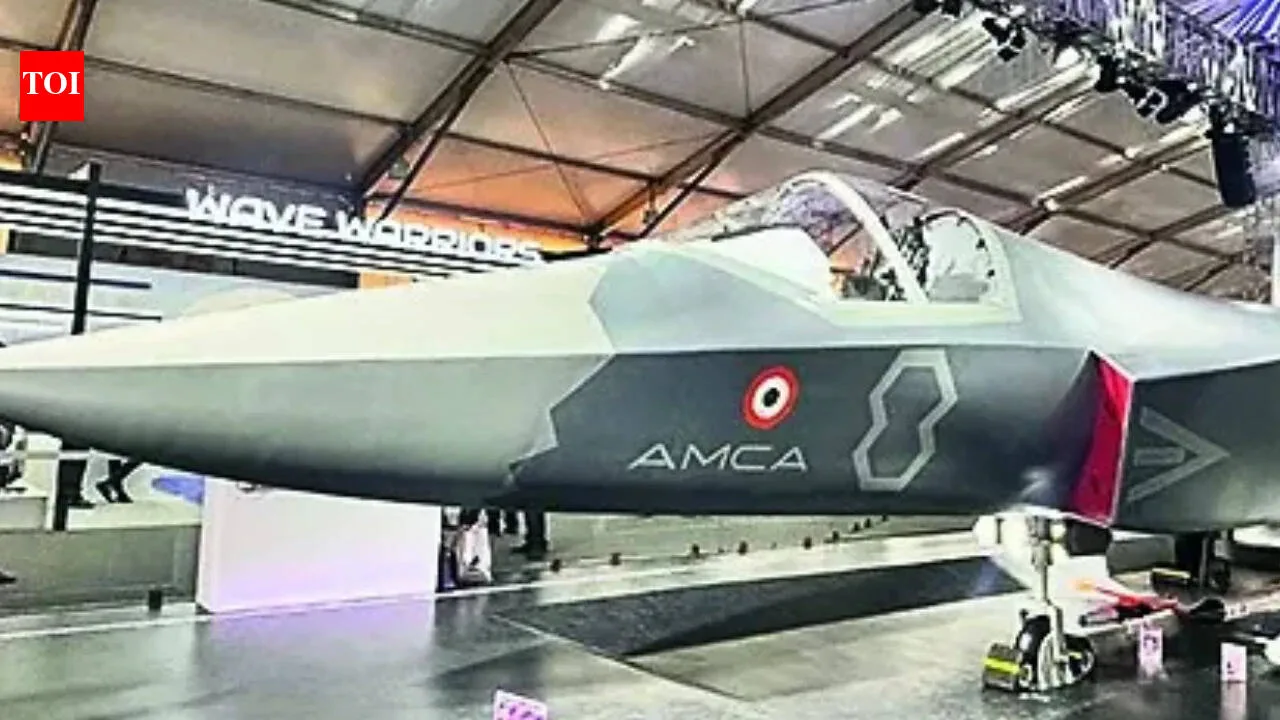
Reliance Industries and Rolls-Royce have announced a strategic partnership to develop an indigenous combat engine for India’s Advanced Medium Combat Aircraft (AMCA) program, marking a significant step toward bolstering the nation’s defense manufacturing capabilities. The collaboration, revealed on August 14, 2026, aims to establish a self-reliant aerospace propulsion ecosystem in India, aligning with Prime Minister Narendra Modi’s “Atmanirbhar Bharat” initiative.
The partnership, described as a “strategic intent” rather than a formal joint venture, involves exploring the creation of an Aerospace Gas Turbine Complex in India. This facility would focus on end-to-end capabilities for combat engine development, including design, manufacturing, testing, and through-life support. The initiative combines Rolls-Royce’s expertise in aero-engine technology with Reliance’s industrial scale and execution capabilities.
Anant Ambani, executive director of Reliance Industries, emphasized that the collaboration seeks to build “sovereign capability in critical technologies,” positioning India to become a global competitor in advanced propulsion systems. Rolls-Royce CEO Tufan Erginbilgic highlighted the alliance as a “major milestone” for India’s aerospace sector, leveraging the company’s “century-long heritage in advanced engineering” alongside Reliance’s domestic leadership. The partnership remains in the exploratory phase, with no formal joint venture or contract finalized, and details such as financial terms, timelines, and ownership structures still unspecified.
The AMCA program, India’s indigenous fifth-generation stealth fighter project, has long faced challenges in developing a domestically produced engine. Currently, the defense sector relies heavily on foreign suppliers for fighter jet propulsion. The new partnership addresses this gap, aiming to reduce dependency on imported technology while advancing the government’s push for self-reliance. The proposed Aerospace Gas Turbine Complex is envisioned as a center of excellence for power and propulsion technology, with potential for broader applications in defense, civil aerospace, and emerging propulsion systems.
Official statements from both companies highlighted the project’s alignment with India’s broader defense and industrial ambitions. Ambani linked the initiative to Modi’s “Atmanirbhar Bharat” goal, framing it as a contribution to “an Atmanirbhar Viksit Bharat.” Erginbilgic reiterated Rolls-Royce’s commitment to India’s aerospace growth, noting the alliance would “build a robust, self-reliant aerospace ecosystem.” Despite these ambitions, the project faces uncertainties, including unresolved timelines and responsibilities between the two entities. The AMCA program itself also grapples with delays and technological challenges, which could impact the partnership’s effectiveness.
The collaboration has drawn attention amid broader economic and financial developments. On the same day as the announcement, Indian benchmark indices closed lower, with foreign institutional investors (FIIs) reversing their stance on Indian equities. Meanwhile, the Reserve Bank of India (RBI) prematurely closed its FCNR(B) swap window after forex inflows exceeded $56.8 billion. These macroeconomic shifts highlight the complex interplay between defense innovation and financial stability, though the partnership’s immediate focus remains on technological and strategic goals.
How significant is this wire dispatch?
Cast your anonymous vote to register reader consensus across journalism and intelligence sectors.
Dateline Wire is dedicated to independent, evidence-backed reporting. This briefing was synthesized from primary source reporting, corroborated across independent newsrooms, and verified against our Editorial Standards.