Russian warship hit in Libyan port in suspected Ukrainian drone attack
A Russian navy corvette was sunk in a suspected Ukrainian sea drone attack at the Libyan port of Benghazi, expanding the conflict's geography.
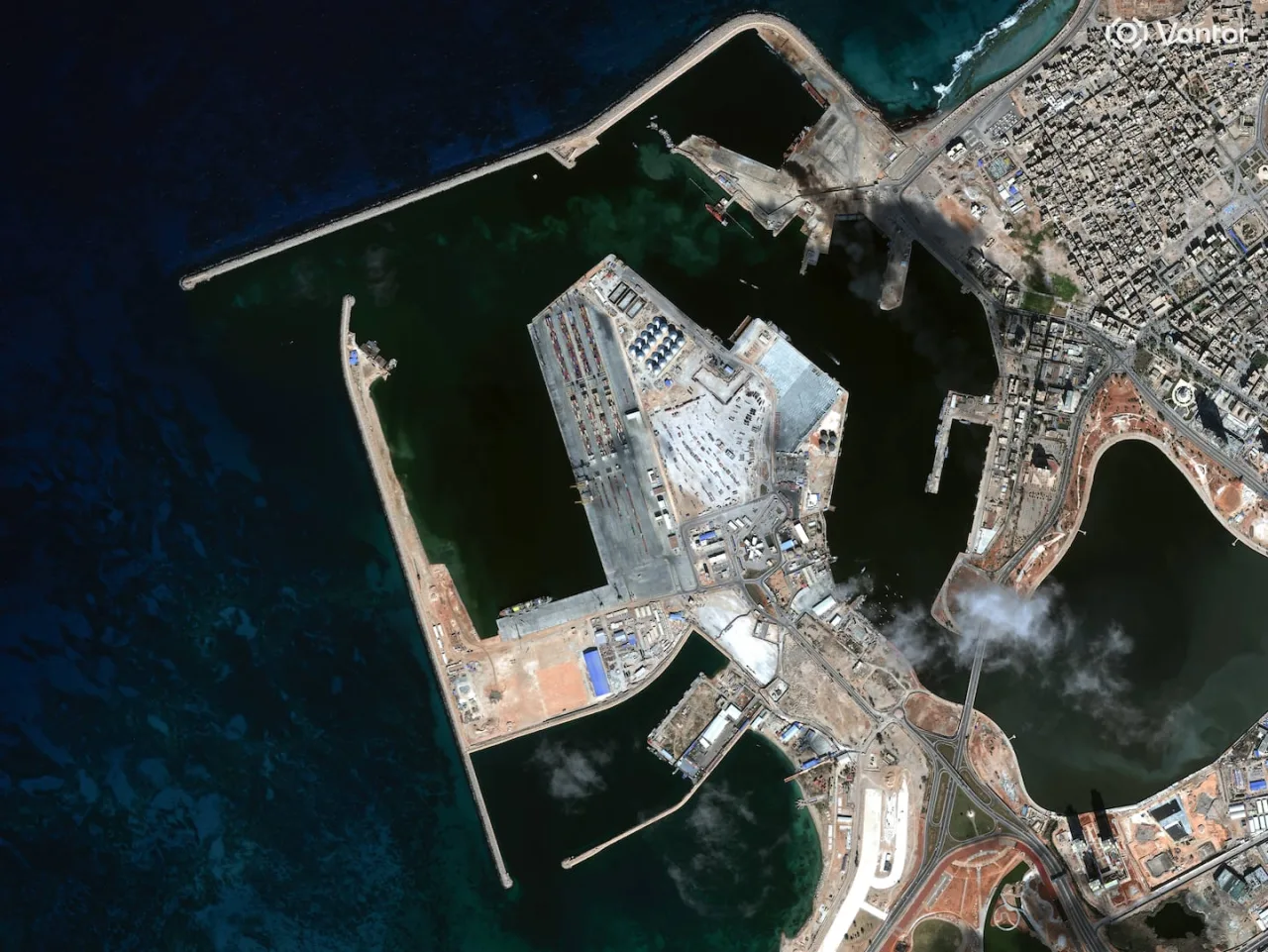
A Russian warship docked more than 1,000 miles from the front lines of eastern Europe has been struck and sunk in a suspected Ukrainian sea drone attack at the Libyan port of Benghazi. The strike on Sunday morning triggered a massive night-time explosion and a fierce fire at the Benghazi Naval Base, marking a dramatic geographic expansion of the nearly five-year war.
That operation, alongside a subsequent strike hours later against a second vessel off the Libyan coast, exposes the vulnerability of foreign military logistics operating inside fractured North African states. Ukraine has progressively turned its lack of a traditional navy into an asymmetric advantage through long-range sea drones, but exporting that capability to the Mediterranean draws a neutral African nation directly into the theatre of superpower confrontation. This development signals that Moscow’s naval supply lines supporting operations across Africa can no longer find safe harbor simply by steaming past the traditional European combat zone.
What happened at the Benghazi naval base?
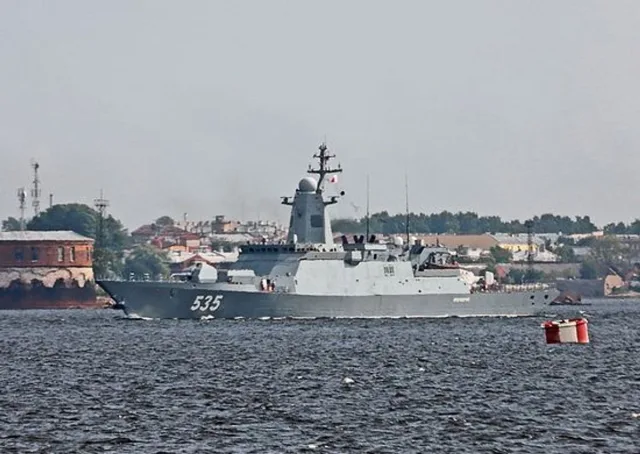
The targeted vessel was identified by military analysts, and naval specialist H I Sutton as the Merkury, a 105-metre Russian Navy Steregushchiy-class corvette assigned to the Black Sea Fleet and operating out of Northern Fleet bases. Commissioned in 2023, the 344-foot warship had docked at the northern berths of the Benghazi port to refuel and take on supplies while returning to Russia under an existing maritime cooperation agreement between Moscow and eastern Libya’s administration. Local sources told Al Jazeera that the ship was carrying weapons, ammunition, and drones in its cargo, while two Libyan military officials stated that several Ukrainian sea drones were launched at the target from a base run by Ukrainian forces in western Libya. At least four drones were intercepted and destroyed by naval and air force units, while two struck the warship. Commercial satellite operator Planet captured imagery at 7:47 am local time on November 22 showing thick smoke and flames, while later imagery confirmed the corvette had capsized and sunk, leaving only its bow visible above water with significant debris scattered along the pier.
That reading is reinforced by the sheer precision of the assault, which suggests the attackers possessed detailed intelligence regarding port movements and berthing schedules. The presence of a dedicated Russian warship in eastern Libya underlines the growing military importance of the port to the Kremlin following the loss of traditional Mediterranean footholds in Syria, utilizing Benghazi to supply Russian mercenary forces in Africa and support Moscow’s Africa Corps operations. Yet the speed with which the asset was neutralized demonstrates that naval power projection without adequate harbor-defense infrastructure remains an acute liability.
Who is behind the attack and what do the different factions say?
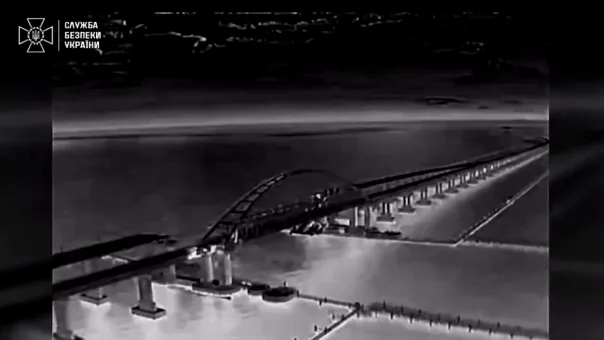
No group has formally claimed responsibility for either strike, but a military source told Axios that the long-range operation had been carried out by the Ukrainian SBU. Libyan officials from the self-styled Libyan National Army in the east, which is backed by military commander Khalifa Haftar and controls eastern and southern Libya, condemned the incident as a serious violation of Libyan sovereignty. The eastern government led by Prime Minister Osama Hammad announced it would launch a joint investigation with Russia to uncover the circumstances of the attack. Local television networks aligned with eastern forces reported that defense units intercepted more than 12 remotely piloted explosive vessels targeting the harbor, coastline, and offshore traffic. Meanwhile, a health official from the eastern-based government confirmed that 10 Libyan port workers sustained moderate injuries during the blast.
In western Libya, the rival United Nations-recognised Government of National Unity in Tripoli, led by Prime Minister Abdulhamid Dbeibah, expressed serious concern over the escalation. The Tripoli government rejected the use of Libyan territory, ports, and territorial waters for foreign military or logistical activities that could endanger national security, warning against drawing the oil-rich nation into conflicts between international powers. This sharp divide highlights how external actors exploit Libya's institutional fragmentation, leaving local authorities squabbling over jurisdiction while foreign warships burn in their harbors.
How does this fit into wider maritime escalations?
The strike in Benghazi did not occur in isolation, forming part of a broader weekend surge in sea drone operations far from traditional battlefields. Hours after the Merkury was hit, a second attack targeted a Maltese-flagged commercial vessel identified as the cargo ship Ascalon off the coast of Benghazi. Local media reported that explosive-laden drone boats struck the vessel, but eastern naval and air forces successfully evacuated the crew and intercepted additional unmanned craft. Al-Masar television reported that naval and air forces destroyed at least 12 other sea drones off the Mediterranean city, while local sources told Al Jazeera that an unknown number of Libyan and Russian nationals were killed across the dawn attacks.
Concurrently in the Baltic Sea, a sanctioned Russian cargo ship linked to the Defense Ministry, the Sparta II, caught fire on Saturday after being struck by a suspected Ukrainian drone in international waters near Finnish waters while heading to Kaliningrad. Finland’s border guard and military attributed that strike to Ukraine, noting that emergency services from Finland, Russia, and Estonia cooperated to stabilize the vessel and extinguish visible flames. These concurrent northern and southern maritime strikes illustrate an aggressive expansion of Kyiv's asymmetric naval doctrine, demonstrating that Moscow's logistical lifelines—whether carrying grain, oil, or military hardware—remain exposed globally.
| Vessel | Type | Location | Status |
|---|---|---|---|
| Merkury | Russian Navy Corvette | Benghazi port, Libya | Sunk / Capsized |
| Ascalon (Sparta 2 style) | Maltese-flagged Cargo Ship | Off coast of Benghazi, Libya | Hit, crew rescued |
| Sparta II | Russian Cargo Ship | Eastern Baltic Sea, near Finland | Damaged, fire extinguished |
That pattern suggests Ukrainian planners are systematically targeting the infrastructure supporting Russia's global projection. When commercial cargo vessels and naval corvettes can be struck simultaneously in the Mediterranean and the Baltic within a 24-hour window, the distinction between active front lines and rear staging areas effectively evaporates.
What can affected travelers, port workers, and observers check or do right now?
For those tracking regional security or operating commercial vessels in the Mediterranean, the immediate aftermath demands strict adherence to evolving maritime safety protocols and port restrictions issued by Libyan authorities. Local port authorities in Benghazi have stated that normal operations will resume once fires are contained and sites secured, but commercial operators should verify the status of berths before scheduling port calls.
- Monitor official notices from the Benghazi port administration and the Libyan National Army regarding coastal navigation restrictions and ongoing military investigations.
- Vessel operators in the central Mediterranean should maintain heightened surveillance for unidentified unmanned surface vessels and report suspicious maritime approaches immediately to local naval authorities.
- Crews operating near eastern Libyan waters should review emergency evacuation procedures and confirm damage control readiness, following the successful rescue operations conducted for the Maltese-flagged cargo ship crew.
- Observers and analysts should track upcoming announcements from the joint Libyan-Russian investigative committee regarding the exact launch site and origin of the sea drones used in the attack.
Those steps reflect the practical reality on the ground as local authorities attempt to re-establish control over maritime approaches that have suddenly turned hostile.
The investigation moves next to the joint inquiry announced by the eastern Libyan administration and Russian authorities to establish the precise source of the drone launch. Observers should watch for official statements from Moscow and Kyiv, alongside findings from the joint probe expected in the coming days.