US to shut down Iranian airlines worldwide starting Sept 23
The US is implementing secondary sanctions to restrict Iranian airlines globally, threatening foreign entities with exclusion from the US dollar system.
- Headline: US to shut down Iranian airlines worldwide starting Sept 23
- Dispatch Summary: The US is implementing secondary sanctions to restrict Iranian airlines globally, threatening foreign entities with exclusion from the US dollar system.
- Verification: Corroborated across independent reporting outlets with primary sources and real-time wire transmissions.
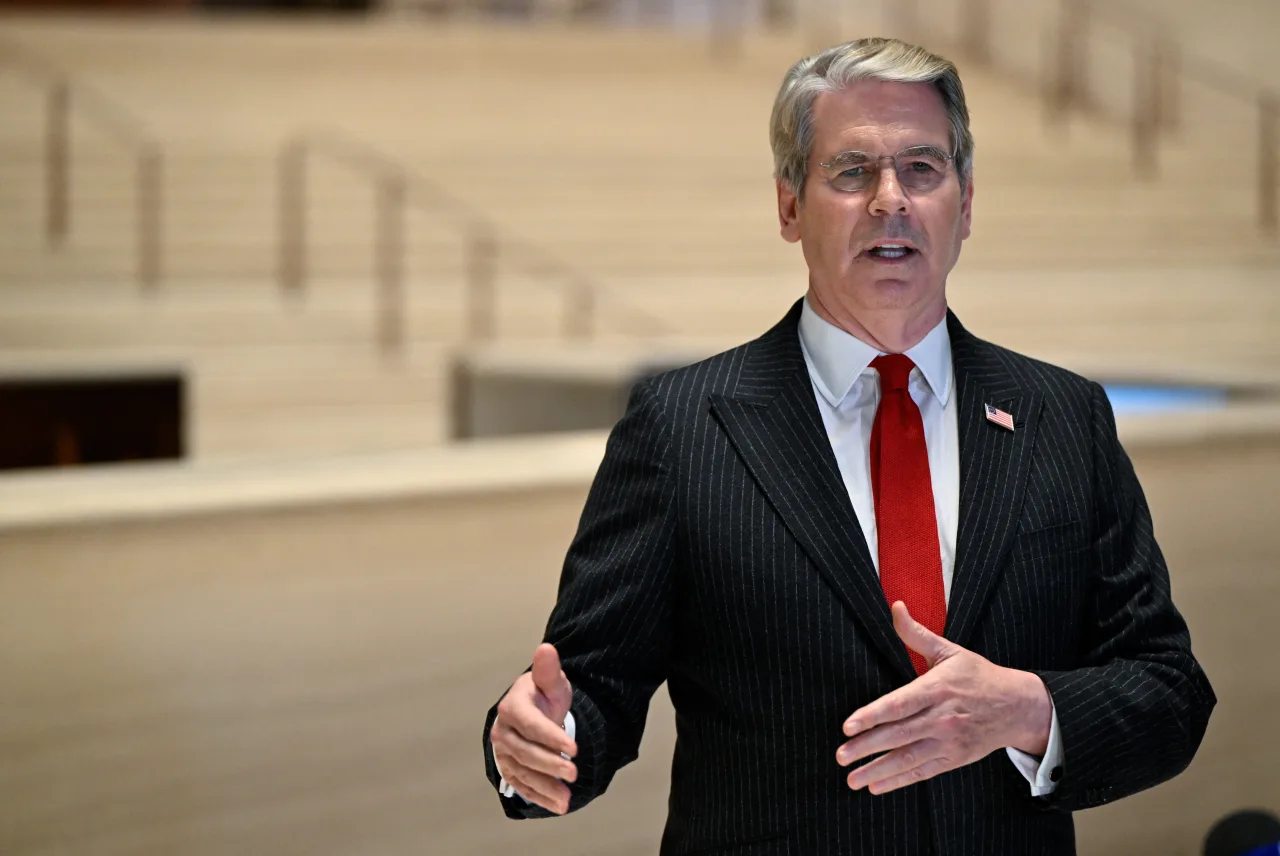
US Treasury Chief Unveils Global Sanctions to Ground Iranian Airlines
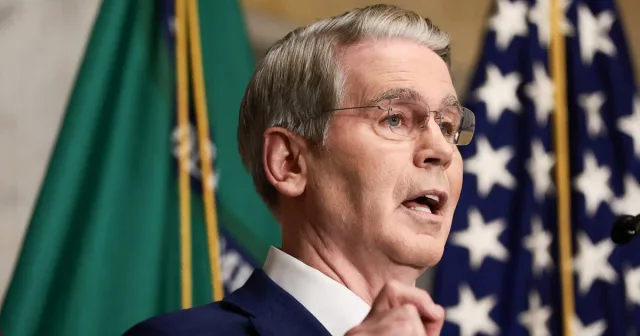
US Treasury Secretary Scott Bessent confirmed on September 21, 2026, that all Iranian airlines will face global operational restrictions beginning September 23, 2026, through secondary sanctions targeting their support networks. The announcement, made during an interview with CNBC, outlined sweeping secondary sanctions targeting foreign entities that provide critical services to Iranian carriers, including fuel, landing facilities, and ticket sales. Failure to comply, Bessent warned, would result in exclusion from the US financial system.
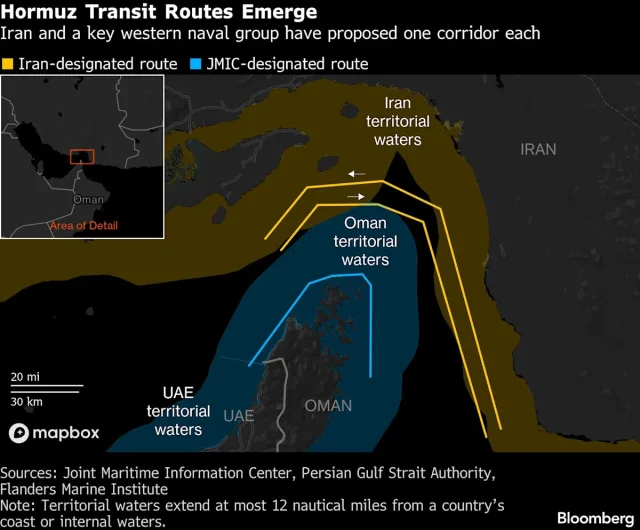
The measures mark a significant escalation in Washington’s economic pressure on Iran, which has been locked in a protracted conflict with the US and its allies since late February 2026. The war, triggered by coordinated US-Israeli strikes, has led to maritime disruptions in the Strait of Hormuz, persistent missile exchanges, and heightened financial restrictions on Tehran. The latest sanctions aim to disrupt Iran’s ability to sustain its aviation network, which the US claims supports destabilizing activities, including the transport of weapons and personnel.
| Detail | Information |
|---|---|
| Date of Announcement | September 21, 2026 |
| Effective Date of Sanctions | September 23, 2026 |
| Key Sanctioned Activities | Refueling, landing services, ticket sales, and financial intermediation |
| US Treasury Secretary | Scott Bessent |
| Targeted Entities | Foreign airports, fuel suppliers, ground-handling companies, and ticketing agents |
Secondary Sanctions Target Global Aviation Networks
The US Treasury’s approach hinges on secondary sanctions, which penalize foreign companies and governments that engage in significant business with sanctioned Iranian entities. Bessent emphasized that any entity providing services to Iranian airlines—whether through fuel, landing rights, or ticket sales—would face severe consequences, including being barred from the US dollar system. “If they land, you cannot provide them with fuel, you cannot provide them with landing services, you cannot sell them tickets, or you will be knocked out of the dollar system,” he stated.
The sanctions extend beyond direct airline operations, targeting a web of intermediaries that facilitate Iran’s aviation infrastructure. The US Department of the Treasury’s Office of Foreign Assets Control (OFAC) previously listed 27 Iranian airlines as supporting “the Iranian regime’s destabilizing activities,” including the procurement of weapons and transport of personnel. The latest measures aim to sever these networks by pressuring foreign entities to cut ties with Iranian carriers, even if they are not directly sanctioned.
Bessent also highlighted the role of financial intermediaries, warning that Washington has identified “enablers throughout the world” and is actively disrupting their operations. While he did not specify the duration of the campaign, he described the pressure as “like never before.” The Treasury’s actions come amid heightened tensions, with Iran accused of using private airlines to conceal the transfer of US-origin aircraft through complex routes involving front companies and third-country intermediaries.
China’s Role and Regional Implications
The US Treasury’s strategy has drawn attention to China’s involvement, as the country remains one of Iran’s top economic partners. Bessent confirmed that discussions with Chinese officials, including People’s Bank of China Governor Pan Gongsheng, addressed the sanctions, though he described these talks as “quiet, behind-the-scenes” efforts rather than public confrontations. The absence of an immediate response from Tehran underscores the strategic calculus of both nations, as China seeks to balance its economic interests with US pressure.
The aviation embargo is part of a broader campaign known as Operation Economic Fury, which has intensified since the conflict’s outbreak. Earlier this month, the US imposed sanctions on “all remaining Iranian airlines” that had not yet faced penalties, further tightening the noose on Tehran’s commercial and financial conduits. The move has exacerbated existing challenges for Iran’s aviation sector, which has long struggled with sanctions restricting access to aircraft, spare parts, and maintenance services.
Frequently Asked Questions
When will the sanctions on Iranian airlines take effect?
The sanctions will begin on September 23, 2026, with all Iranian airlines being shut down globally by that date.
What activities are prohibited under the sanctions?
Foreign entities are barred from providing fuel, landing services, or ticket sales to Iranian airlines. Non-compliance risks exclusion from the US dollar system.
How is China involved in this policy?
Chinese financial authorities have been engaged in behind-the-scenes discussions with the US, though no public response from Beijing has been reported.
The next critical development will hinge on how foreign entities and governments respond to the sanctions, particularly in regions with significant trade ties to Iran. With the September 23 deadline approaching, the effectiveness of the policy will depend on the willingness of global aviation stakeholders to comply, as well as the potential for diplomatic or economic pushback from Tehran and its allies.
How significant is this wire dispatch?
Cast your anonymous vote to register reader consensus across journalism and intelligence sectors.
Dateline Wire is dedicated to independent, evidence-backed reporting. This briefing was synthesized from primary source reporting, corroborated across independent newsrooms, and verified against our Editorial Standards.