Western Sydney Airport officially opens to passengers ahead of inaugural…
Western Sydney International Airport has officially welcomed its first commercial passengers following a 40-year development process, offering 24-hour operations to relieve pressure on Kingsford Smith Airport.
- Headline: Western Sydney Airport officially opens to passengers ahead of inaugural…
- Dispatch Summary: Western Sydney International Airport has officially welcomed its first commercial passengers following a 40-year development process, offering 24-hour operations to relieve pressure on Kingsford Smith Airport.
- Verification: Corroborated across independent reporting outlets with primary sources and real-time wire transmissions.
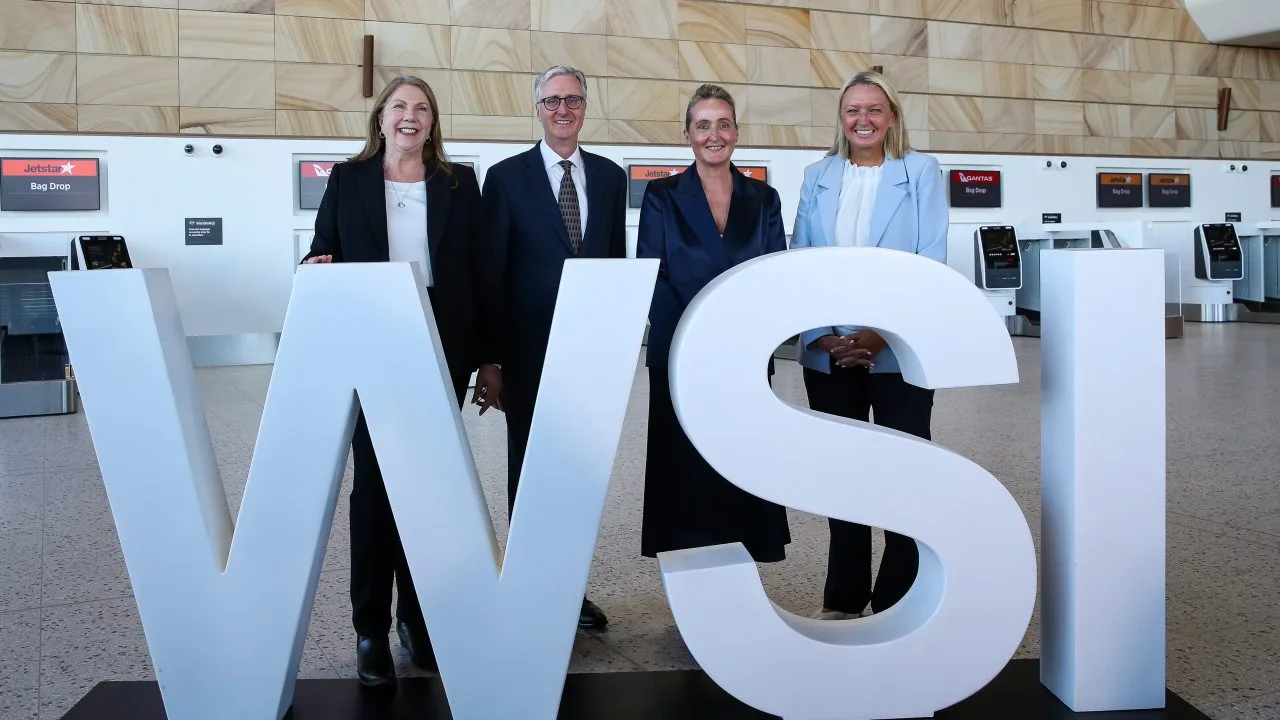
Why is Western Sydney Airport opening now and what does it cost?
Four decades of political wrangling, land acquisitions, and shifting federal priorities have finally culminated in commercial operations at Western Sydney International (Nancy-Bird Walton) Airport. The Hawke government first purchased the 1,780 hectares of farmland in Badgerys Creek in 1986 following an intervention by then-treasurer Paul Keating, but successive administrations stalled the project for decades. Construction finally began in 2018 after the Abbott government formally approved the site in 2014, backed by more than $5 billion in commonwealth investment. The ribbon-cutting comes as Sydney's primary aviation hub, Kingsford Smith Airport at Mascot, bumps against strict movement limits of 80 takeoffs and landings per hour and an 11pm-6am curfew.
That logjam left the federal government with few alternatives if the country's most populous city wanted to expand its aviation footprint. WSI chief executive Simon Hickey called the facility the most transformational piece of infrastructure our nation has seen since the Sydney Harbour Bridge
during a media briefing. Prime Minister Anthony Albanese noted that it marks the first time in more than 50 years that Australia has opened a major new airport. While the commonwealth spent $5.3 billion to build the terminal, a CommBank estimate indicates that about $22 billion worth of transport and enabling infrastructure has been or is being delivered to support it. The facility aims to handle up to 10 million passengers a year initially, with master plans anticipating capacity for 82 million annual passengers by the 2060s.
Who is flying out today and which airlines have signed up?
History was made at 8am on Sunday when check-in opened for Jetstar domestic service JQ362, carrying passengers to the Gold Coast. The sold-out A320 was flown by a female pilot from Blacktown who flew the aircraft from Sydney Airport to Western Sydney Airport just for the historic departure. Among the passengers on board is Wayne Willmington, president of the Luddenham Progress Association, whose family farmed the land from the mid-19th to the early 20th centuries and who fought the airport as part of the Badgerys Creek Anti-Airport Group in the 1980s. Been waiting 40 years,
he noted before boarding the 11am flight. Mark Ignativ, a visitor from Queensland, timed a road trip to Melbourne specifically to catch the inaugural flight as a joy ride. A domestic service from Melbourne operated by Jetstar is scheduled to land at 3pm, followed by a departure to Melbourne at 6pm.
Seven passenger carriers have committed to servicing the new airport so far. Air New Zealand will operate the first international flight, arriving from Auckland on Monday, followed by Singapore Airlines launching daily flights from Changi in November. VietJet Air is scheduled to begin services from Ho Chi Minh City in January 2027, and Qatar Airways will launch flights from Doha in December 2027. Fiji Airways has also signed up for three flights a week to Nadi starting in March 2027. Qantas has started selling tickets for four weekly flights to Brisbane and Melbourne from March 28, 2027, though WSI notes those services remain subject to government and regulatory approval. To lure international carriers, the NSW government and the airport established a $16 million Take-Off Fund
to subsidize four of the incoming airlines, though NSW tourism minister Steve Kamper declined to disclose individual payouts.
How does the new terminal work for passengers?
Travelers navigating the Nancy-Bird Walton terminal will encounter a completely redesigned processing layout intended to eliminate traditional airport bottlenecks. Unlike legacy terminals where passengers must hunt down specific airline counters, WSI features 40 self-service check-in kiosks and 34 bag drops that accept passengers from any airline, regardless of whether they are flying domestically or internationally. We've brought technology here. We'll be the most technologically advanced airport in the world,
Simon Hickey said, emphasizing that the terminal relies on proven systems rather than experimental tech. Biometric capabilities allow passengers to walk up to a kiosk, print bag tags, and proceed directly to security.
The airport's modular design also allows security screening and baggage claim zones to flex between domestic and international operations depending on hourly capacity needs. Cargo operations already started in July with a Qantas Airbus A321 landing at 2pm, and the precinct is expected to handle more than 850 tonnes of freight each week. Furthermore, federal officials confirmed that starting November 1, freight flights previously exempt from Kingsford Smith's curfew will land at WSI instead.
What are the transport hurdles and how do you get there?
The primary friction point for the new airport is its location in Badgerys Creek, more than 60km from the Sydney CBD. A high-speed metro line connecting the airport to the heavy rail network at St Marys station is delayed amid a dispute between the NSW government and the private consortium building it, meaning the rail link will not open until at least December next year. Until then, passengers must rely on alternative transit options to reach the remote site. A free shuttle bus runs between the airport and St Marys station every 30 minutes, while coach operator FlixBus is launching a twice-a-day service connecting Canberra to WSI. Commuters can also book a Parramatta super shuttle for $25, a Sydney city shuttle for $55, or a shuttle to Kingsford Smith Airport for $65. Drivers can access the terminal via the new, toll-free M12 motorway connecting from the M7, though journeys from central Sydney will likely incur tolls. A Guardian Australia analysis found that while parking at WSI is significantly cheaper than at Mascot—bolstered by introductory discounts—Uber fares and overall travel costs from central locations often favored the older airport.
Local mayors and business leaders emphasize that regional growth depends entirely on fixing those connective corridors. Penrith mayor Todd Carney argued that governments must deliver turbo-charged investment in roads and amenities to unlock the area's potential, while Property Council Western Sydney regional director Ross Grove said that as that first plane takes off today, our focus should turn to what takes off next: the jobs, investment and development this airport was built to unlock.
If you are booked on a flight out of Western Sydney International, check your route to St Marys station for the free shuttle or pre-book your bus transfers ahead of time, as heavy rail connections will not be operational until late next year. Drivers should map their approach via the toll-free M12 motorway, and passengers can utilize any of the 40 self-service kiosks upon arrival regardless of airline.
What comes next for the airport and its regional economy?
The immediate milestone for the facility arrives on Monday, October 26, when Air New Zealand operates the first international flight touching down from Auckland. Aviation analysts and local officials will be watching passenger uptake and airline load factors closely over the coming weeks as Jetstar ramps up its initial domestic schedule and cargo carriers transition their curfew-exempt overnight flights to the Badgerys Creek precinct on November 1. With WSI projecting that it will grow to handle 10 million passengers annually by the early to mid-2030s while supporting up to 8,500 precinct jobs, attention now turns to whether the promised transport infrastructure can keep pace with the region's expanding aviation gateway.