US Unveils Operation Economic Outcast Sanctions Campaign Against Iran
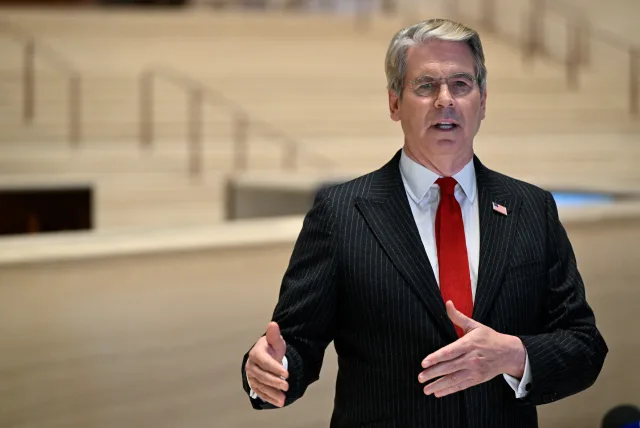
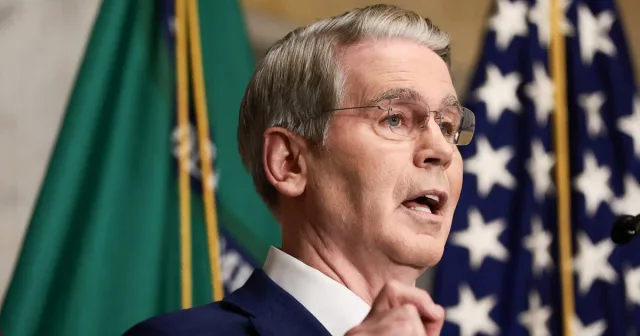
Treasury Secretary Scott Bessent announced Operation Economic Outcast, a U.S. economic campaign aimed at isolating Iran and severing its economic lifelines.
- Headline: US Unveils Operation Economic Outcast Sanctions Campaign Against Iran
- Dispatch Summary: Treasury Secretary Scott Bessent announced Operation Economic Outcast, a U.S. economic campaign aimed at isolating Iran and severing its economic lifelines.
- Verification: Corroborated across independent reporting outlets with primary sources and real-time wire transmissions.
The United States has launched a sweeping economic campaign against Iran, branding it as "Operation Economic Outcast," a strategy aimed at isolating the Iranian regime through intensified sanctions and pressure on countries that maintain economic ties with Tehran. The initiative, announced by Treasury Secretary Scott Bessent, is a notable escalation in Washington’s efforts to cripple Iran’s economy amid a six-month-old conflict that has yet to yield a resolution.
Bessent described the campaign as an "economic onslaught" designed to sever "every economic lifeline that sustains this tyrannical regime." The plan targets five key sectors of Iran’s economy — digital, technology, gold, aviation, and shipping — while expanding secondary sanctions against nations, companies, and entities that engage in trade with Iran. "We are launching an economic onslaught against Iran’s financial connections around the globe," Bessent stated, calling the move a form of "economic asphyxiation of this regime."
The U.S. has already sanctioned nearly 60 entities, individuals, and vessels linked to Iran’s nuclear and missile programs, cyber operations, and oil-revenue networks. However, the new measures focus on coercing other countries to cut ties with Iran, with Bessent warning that "every country has a defined timeline to shut down activities we have identified." While he declined to name specific nations, he emphasized that those refusing to comply would face "unilateral U.S. punishment." The Treasury Secretary did not provide concrete deadlines, stating, "We do not have infinite patience here."
Iran’s Economy Minister Ali Madanizadeh dismissed the threats, asserting that Tehran had anticipated the move and was prepared with a "two-year plan to manage these events." He accused the U.S. of seeking another "defeat," a claim echoed by Iranian state media. Despite the rhetoric, analysts note that the campaign faces significant challenges. China, Iran’s largest oil buyer, remains a critical wildcard, as U.S. officials have avoided direct confrontation with Beijing despite concerns over its role in enabling Iran’s economy.
Senior Iran analyst Naysan Rafati of the International Crisis Group highlighted the vulnerabilities of Iran’s economy, citing a collapsing currency, soaring inflation, and war damage to non-oil sectors. However, he cautioned that economic pressure alone may not force Tehran into total capitulation. "History shows it can push Iran to negotiate, but a wholesale surrender is a tall order," Rafati said. He also warned of the risk of renewed violence, noting that Iran could retaliate against U.S. allies or assets, escalating tensions in the region.
The U.S. strategy has drawn mixed reactions. While some analysts view it as a logical extension of existing sanctions, others argue it risks destabilizing global trade. Claire O’Neill McCleskey, a former Treasury official, noted that the measures "appear to be just the threat of additional secondary sanctions" under existing authorities. The plan also raises tensions with China, which has resisted pressure to halt oil purchases from Iran. Bessent acknowledged the risks, stating, "Why would I want to blow up the global financial system?" but stopped short of detailing how the U.S. would balance its objectives with diplomatic concerns.
Regional partners have also been targeted. The United Arab Emirates, a key trading partner, recently suspended all trade with Iran following retaliatory strikes. Iraq, Türkiye, and India, meanwhile, remain significant but less vocal allies of Tehran. The U.S. has reportedly been engaging in "quiet diplomacy" with these nations, urging them to align with Washington’s demands. However, the lack of transparency in the campaign’s scope and timelines has left many questions unanswered.
As the conflict enters its sixth month, the economic pressure campaign underscores the Trump administration’s growing impatience with the war’s unpopularity at home. With midterm elections looming, the administration faces mounting pressure to demonstrate progress. Yet, the effectiveness of "Operation Economic Outcast" remains uncertain. Iran’s resilience, coupled with the complexities of global trade dynamics, suggests that the path to economic isolation will be fraught with challenges, and potential consequences.