US Readies New Iran Penalties as Trump Vows to Declare Hormuz US Territory
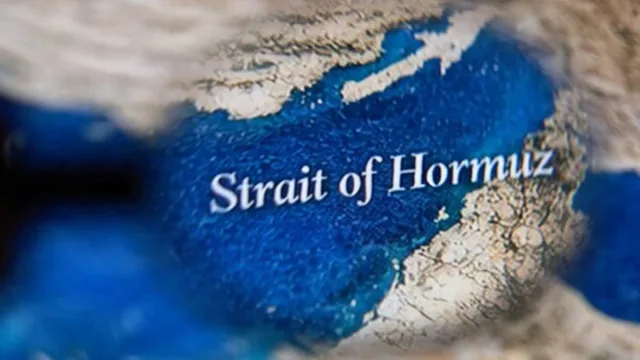
President Donald Trump has stated plans to declare the Strait of Hormuz a U.S. territory as the U.S. intensifies economic pressure on Iran.
- Headline: US Readies New Iran Penalties as Trump Vows to Declare Hormuz US Territory
- Dispatch Summary: President Donald Trump has stated plans to declare the Strait of Hormuz a U.S. territory as the U.S. intensifies economic pressure on Iran.
- Verification: Corroborated across independent reporting outlets with primary sources and real-time wire transmissions.
US President Donald Trump has reiterated his plan to declare the Strait of Hormuz a US territory, stating during a campaign event that Americans must accept higher gas prices as part of the conflict with Iran. “You’re paying a tiny little bit more for gasoline,” Trump said, framing the economic burden as a necessary measure to secure regional stability. The remarks, reported by ABC News, come as the war enters its sixth month and the US intensifies efforts to isolate Iran economically.
Trump’s latest comments align with his earlier vow to “finish defeating Iran” before asserting US control over the strategic waterway, which facilitates about a fifth of global oil shipments. The statement reflects a continuation of the administration’s hardline stance, despite ongoing challenges in securing international support for the blockade. The Strait has remained a flashpoint since US and Israeli forces launched operations against Iran in February, with both sides claiming dominance over the area.
The US has imposed over 2,200 sanctions on Iran since 2018, targeting its oil and petrochemical sectors. Treasury Secretary Scott Bessent previously hinted at “never-seen-before” measures, though specifics remain unclear. Analysts argue that repeated sanctions have failed to alter Tehran’s nuclear ambitions or its grip on the Strait. “If 47 years of sanctions haven’t broken Tehran’s will, more of the same is unlikely to produce any changes,” a Bloomberg Economics report noted.
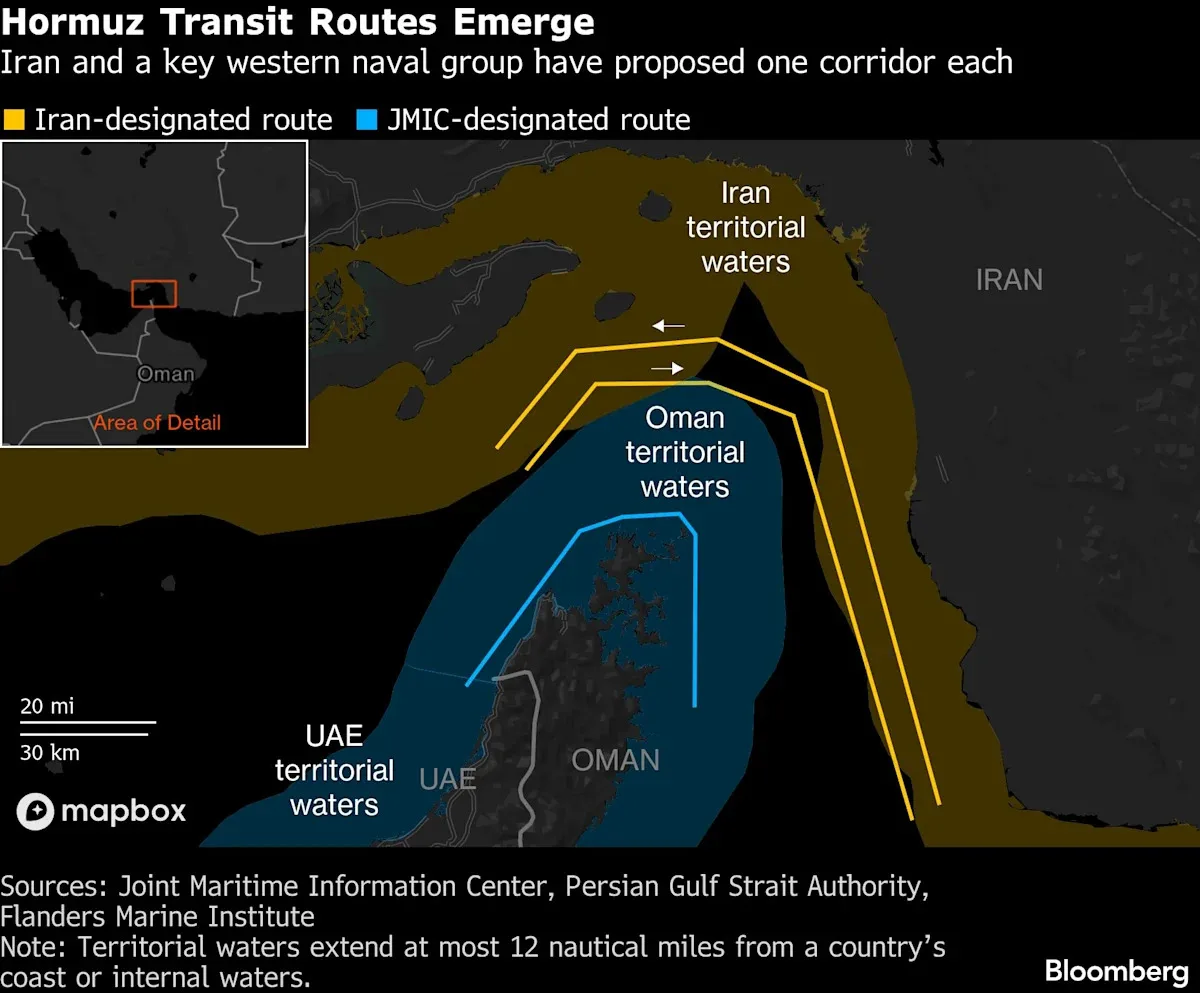
Iran has rejected US demands, insisting it maintains authority over the waterway. The Islamic Republic has demanded tolls for passage and accused the US of obstructing trade. “No activity in the Strait of Hormuz escapes the watch of the IRGC Navy’s fighters,” said Rear Admiral Ali Azmaei, head of Iran’s Revolutionary Guard Corps navy. Meanwhile, US officials have floated the idea of imposing tolls on Iranian vessels, a move Tehran has condemned as an attempt to “colonize” the region.
The conflict’s economic toll is evident in rising fuel prices. US gasoline averaged $4.07 per gallon as of late August, while Brent crude approached $90 per barrel. Trump defended the costs, telling supporters, “You’re doing it so that a very evil country cannot have a nuclear weapon.” However, the war has also strained US military resources. The USS Abraham Lincoln, deployed for nearly nine months, has faced scrutiny over conditions aboard, with reports of mental health crises and supply shortages. The Navy denied claims of a “mental health crisis,” citing no increase in suicidal ideation, though it acknowledged a sailor had gone overboard in August.
Trump downplayed concerns about the Lincoln’s deployment, calling it “not nearly long enough.” He also dismissed calls for accountability, stating, “No, they’re not” when asked if families were worried about the ship’s extended mission. The carrier is set to be replaced by the USS George Washington, part of a broader strategy to sustain operations in the region. Defense Secretary Pete Hegseth asserted the US could maintain the blockade “indefinitely,” though the long-term sustainability of such efforts remains uncertain.
Iran has sought to counter US pressure by bolstering its military presence abroad. The country has reorganized its forces and engaged in diplomatic talks with Oman to establish alternative shipping routes, though the US is not involved in those discussions. Meanwhile, Tehran has accused the US of destabilizing Yemen, a claim it denies. Iran’s foreign ministry spokesperson, Esmail Baghaei, stated the Strait would “in no way return to the status it was before February 28,” referencing the war’s start date.
The situation has drawn international attention, with Gulf states and global markets closely monitoring developments. The UAE condemned recent attacks on its oil tankers in the Strait, blaming Iran, while Saudi Arabia called for regional stability. Analysts warn that the conflict’s protraction risks further economic and geopolitical fallout. “The US has already added significant pressure, but without a clear path to de-escalation, the risk of miscalculation remains high,” said Jeremy Paner, a partner at Hughes Hubbard & Reed.
As Trump prepares to face midterm elections, the war’s impact on energy prices and military commitments could become a political flashpoint. Democrats have already begun framing the conflict as a threat to economic stability, while Trump’s allies emphasize his “tough on Iran” stance. The president’s latest remarks, however, have drawn skepticism from both domestic and international observers. “The Strait of Hormuz is an internationally navigable strait, not a US territory,” said Kazem Gharibabadi, Iran’s deputy foreign minister, dismissing Trump’s claims as “a show of force.”
The coming weeks will test whether the US can translate its military and economic pressure into a lasting resolution. For now, the Strait of Hormuz remains a symbol of a conflict that shows no signs of swift conclusion.
How significant is this wire dispatch?
Cast your anonymous vote to register reader consensus across journalism and intelligence sectors.
Dateline Wire is dedicated to independent, evidence-backed reporting. This briefing was synthesized from primary source reporting, corroborated across independent newsrooms, and verified against our Editorial Standards.