UK Air Traffic Control Failure Causes More Flight Cancellations and Delays
A major technical glitch in the UK air traffic control system led to over 1,400 flight cancellations across major airports, sparking intense scrutiny and calls for leadership changes.
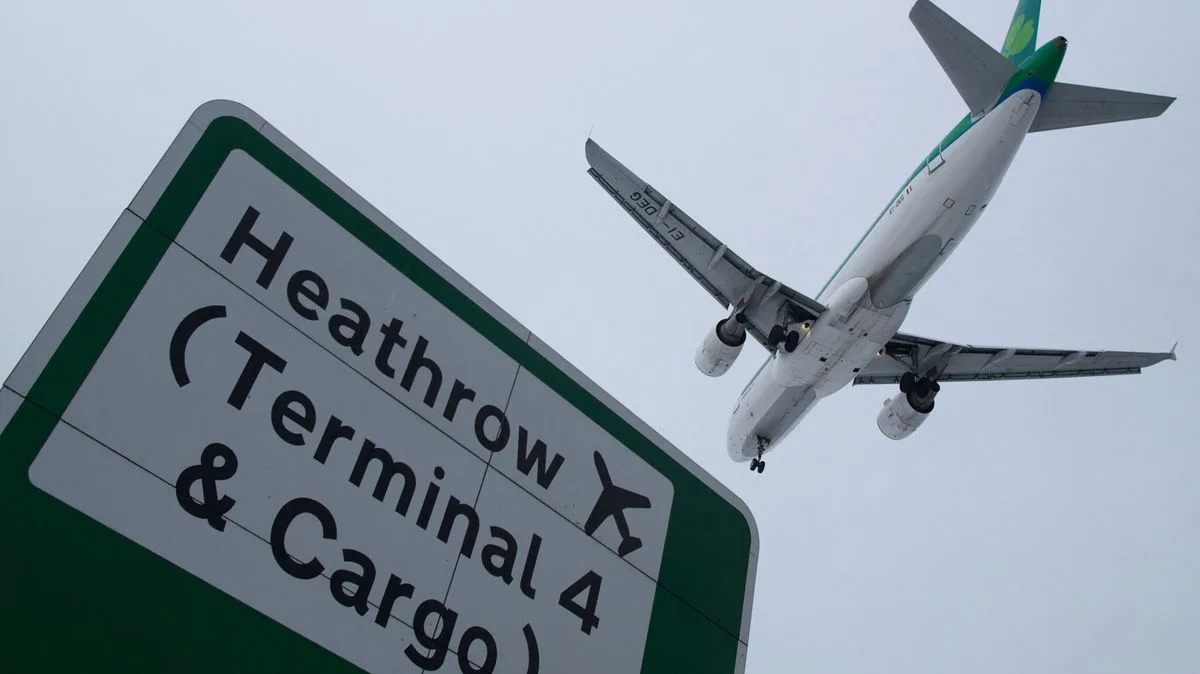
Technical Glitch Sparks Second Day of Chaos at UK Airports
A technical failure in the National Air Traffic Services (NATS) flight data processing system triggered widespread flight cancellations and delays across the UK on Tuesday, with the disruption spilling into a second day on Wednesday. Over 1,300 flights were canceled to and from UK airports on Tuesday, according to flight tracking data, while 177 additional flights were scrapped by Wednesday morning, predominantly at Heathrow. The issue, which originated in NATS’ systems, forced airports to restrict aircraft movements, leaving thousands of passengers stranded and airlines scrambling to reposition aircraft and staff.
The problem began shortly after 1pm on Tuesday, disrupting operations at major hubs including Heathrow, Gatwick, Manchester, and Stansted. NATS confirmed the technical fault had been resolved by Tuesday evening but acknowledged that recovery would take time due to the complexity of reorganizing flights, crew, and aircraft. Heathrow Airport warned passengers to check flight statuses before traveling, as delays and cancellations persisted into Wednesday.
| Detail | Information |
|---|---|
| Total flights canceled on Tuesday | 1,300 |
| Flights canceled on Wednesday | 177 (primarily at Heathrow) |
| Flights canceled by Ryanair | Over 200 |
| Flights canceled by British Airways | Over 100 |
| Flights delayed by 3+ hours | Over 150,000 passengers affected |
Passengers Face Stranded, Overbooked, and Uncertain Futures
Passengers described the chaos as “nightmare”-level, with many stranded at airports or forced to rebook flights days later. At Gatwick, Josie Donoghue recounted being trapped on a plane for three hours before being allowed to disembark. “Getting through that airport was like trying to get out of Alcatraz,” she said. At Manchester Airport, British Airways flights BA1379, BA1381, and BA1373 were canceled, while EasyJet’s EZY2057 faced a 37-minute delay. Stansted Airport also reported significant disruptions, though specific cancellation numbers were not provided.
Hotels near affected airports were fully booked, leaving hundreds of passengers with no place to stay. Some flights were diverted as far as Edinburgh, with one report citing a New York-to-Heathrow flight rerouted to Scotland and passengers left to “fend for themselves.” Airlines like Wizz Air and Ryanair called for urgent reforms, with Wizz Air’s managing director stating that NATS was “not fit for purpose in its current form.”
Airlines Demand Compensation and Accountability
The scale of the disruption has prompted airlines to demand compensation and raised questions about NATS’ leadership. Ryanair’s chief operating officer publicly called for NATS CEO Martin Rolfe to resign, citing the third major failure in recent years. Wizz Air echoed these sentiments, criticizing the “serious questions about the resilience” of the UK’s air traffic control system. Rolfe, who has accepted full responsibility, emphasized that safety was not compromised and ruled out a cyber attack as the cause of the technical failure.
The UK government has also intervened, with Transport Secretary Heidi Alexander set to question Rolfe about the incident. Foreign Secretary Ed Miliband condemned the disruption as “unacceptable,” vowing to ensure such failures do not recur. NATS has pledged a “very, very thorough investigation” into the incident, though the root cause remains undisclosed.
Recurring Failures Fuel Calls for System Overhaul
This is the third major incident involving NATS in recent years, with prior failures in 2023 and 2025 causing widespread disruption. A 2023 automated flight-plan processing error affected over 700,000 passengers, while a 2025 radar-related system failure disrupted flights for four hours at Heathrow. The Civil Aviation Authority (CAA) has previously criticized NATS for inadequate backup plans and is now expected to review the latest incident. Airlines and regulators are pushing for structural reforms to prevent future collapses, with some advocating for increased oversight or privatization reforms.
NATS, which was partially privatized 25 years ago, has invested over £1 billion in technology since then. However, critics argue that the repeated failures highlight systemic vulnerabilities. “A third time and a third excuse is not enough anymore,” said Wizz Air’s Yvonne Moynihan, calling for Rolfe to consider stepping down.
Frequently Asked Questions
How many flights were canceled during the disruption?
Over 1,300 flights were canceled to and from UK airports on Tuesday, with an additional 177 flights canceled by Wednesday morning, primarily at Heathrow.
What caused the technical failure at NATS?
NATS ruled out a cyber attack as the cause, attributing the disruption to a technical issue in its flight data processing system. The exact root cause remains under investigation.
What happens next for passengers and airlines?
Airlines are working to reposition aircraft and staff, with ongoing delays and cancellations expected. The Civil Aviation Authority will review the incident, and NATS has pledged a thorough investigation. Passengers are advised to check with their airlines for updates.
The full impact of the disruption remains unclear, with airlines warning that the effects could persist into the coming days. As NATS faces mounting pressure to prove the resilience of its systems, passengers and regulators alike await answers about how such a critical failure could occur—and whether it will happen again.
Dateline Wire is dedicated to independent, evidence-backed reporting. This briefing was synthesized from primary source reporting, corroborated across independent newsrooms, and verified against our Editorial Standards.