Trump says Iran war will end immediately after US midterm elections
President Trump predicts the U.S.-Iran conflict will end immediately following the November 3, 2026, midterm elections. He claims oil prices will tumble downwards after the vote.
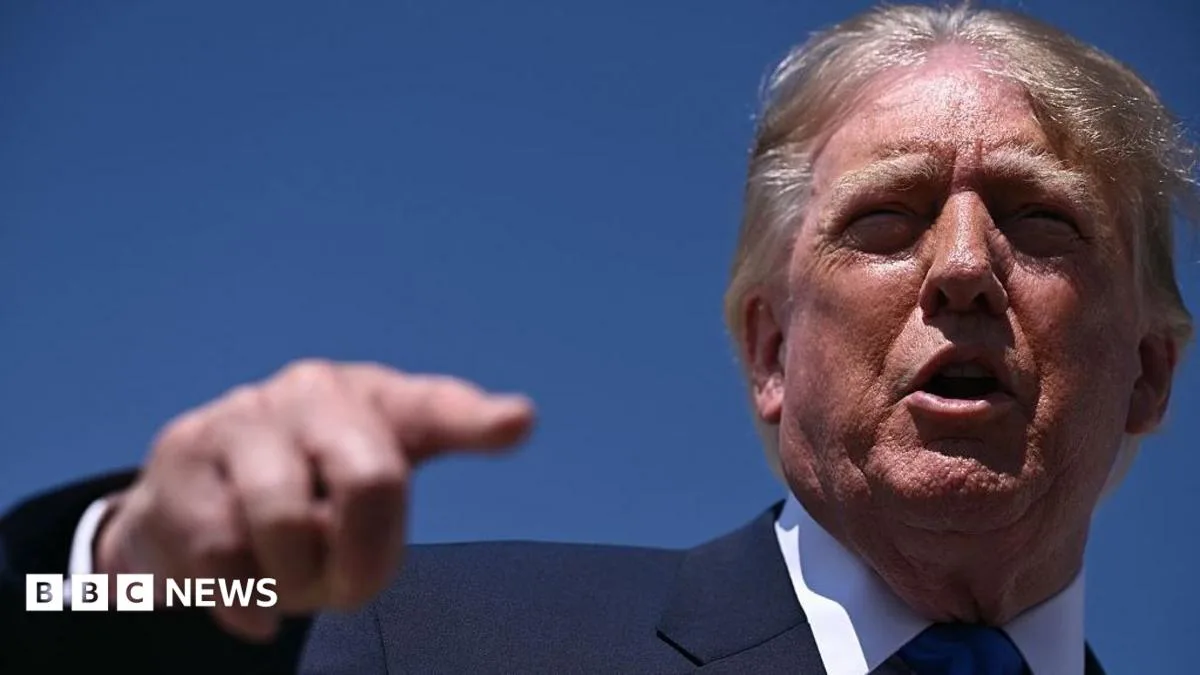
President Donald Trump has revised his timeline for the U.S.-Iran conflict, stating that oil prices will not drop until after the November 3, 2026, midterm elections, contradicting his earlier assertion that prices would “tumble downwards” immediately after the vote. The comments, made during a press briefing ahead of the Republican Party’s midterm convention in Dallas, Texas, reflect escalating tensions as the war enters its seventh month.
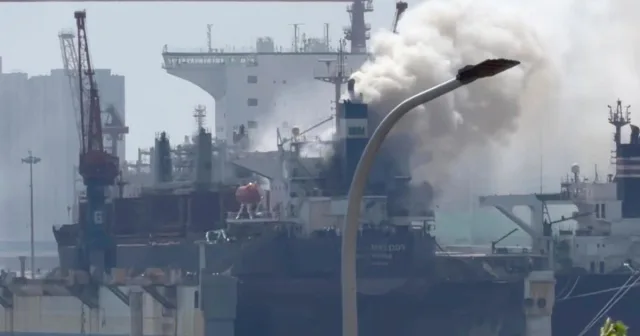
“Right after the election, oil prices are going to be tumbling downward,” Trump said, according to reports. “I think it’s going to take a little bit longer than the midterm.” This shift underscores growing uncertainty about the conflict’s resolution, as both sides have intensified military actions. Iran, accused of targeting U.S. assets, has launched attacks on 10 ships near the Strait of Hormuz, killing at least one seafarer, while the U.S. has struck five Iranian tankers in retaliation. The violence has pushed international Brent crude past the $100 threshold for the first time since July 2026, with U.S. benchmark crude at $96 per barrel and gasoline prices rising to $4.22 per gallon.
Trump framed the conflict as a necessary measure to prevent Iran from obtaining a nuclear weapon, telling reporters, “They’re desperate to try and affect the election so we can get a nice, weak group of people in there and leave them alone and let them have their nuclear weapon.” He also warned Iran against “getting cute” at Pickaxe Mountain, a fortified underground complex near Natanz, stating, “We will have to hit them very hard.” The site, analyzed by the Center for Strategic and International Studies (CSIS), has shown increased construction activity, though its exact purpose remains unclear.
The U.S. has faced internal pressure to de-escalate the conflict, with Vice President JD Vance avoiding “artificial timelines” for its end. “I don’t know the answer to that question,” Vance told reporters, citing the unpredictability of Iranian actions. Meanwhile, Iran has threatened to expand its maritime exclusion zone, extending toward Chabahar, near Pakistan, and has accused the U.S. of “aggression” for targeting its oil infrastructure.
Recent clashes have further strained global energy markets. On Wednesday, the U.S. military reported striking five Iranian tankers in response to missile attacks on a Navy warship, while Iran retaliated by firing ballistic missiles at a U.S. base in Jordan. Jordan intercepted 18 missiles, with two falling harmlessly in unpopulated areas. The attacks have also disrupted shipping, with diesel prices hitting a record $5.94 per gallon and jet fuel costs driving airlines to cut flights and raise fares.
The war’s economic toll has intensified political pressure on Trump, who initially predicted the conflict would last weeks but now faces a prolonged standoff. His administration has tapped strategic petroleum reserves, which fell below 300 million barrels in August 2026, down by over 100 million since the war began. Despite this, Trump remains confident in his timeline, telling the Republican convention, “The price of oil will tumble as soon as we win the war with Iran.”
As the midterm elections approach, the conflict’s trajectory and its impact on energy prices will remain central to voter sentiment. While Trump insists the war will end “immediately after the election,” the lack of a negotiated settlement and continued military escalation leave the outcome uncertain, with the next major developments likely tied to the election’s outcome and regional dynamics.
Key Takeaways
- President Trump revised his timeline, stating oil prices will not drop until after the November 3, 2026, midterm elections.
- Iran has attacked 10 ships near the Strait of Hormuz, killing at least one seafarer, while the U.S. has struck five Iranian tankers.
- Brent crude surpassed $100 per barrel for the first time since July 2026, with U.S. gasoline prices hitting $4.22 per gallon.
- Trump warned Iran against “getting cute” at Pickaxe Mountain, a fortified site near Natanz, amid CSIS analysis of its construction.
- Vice President JD Vance avoided setting timelines for the war’s end, citing the unpredictability of Iranian actions.
- Iran threatened to expand its maritime exclusion zone, extending toward Chabahar, near Pakistan.
- U.S. strategic petroleum reserves fell below 300 million barrels in August 2026, down by over 100 million since the war began.
Detail
| War Duration | Seven months as of September 2026 |
|---|---|
| Oil Price Spike | Brent crude surpassed $100/barrel on September 9, 2026, and again in subsequent days |
| U.S. Military Actions | Strikes disabled five Iranian tankers, per recent reports; earlier claims cited nine |
| Oil Price Impact | U.S. benchmark crude at $96/barrel, gasoline at $4.22/gallon, diesel at $5.94/gallon |
Political Context: GOP Convention and Electoral Strategy
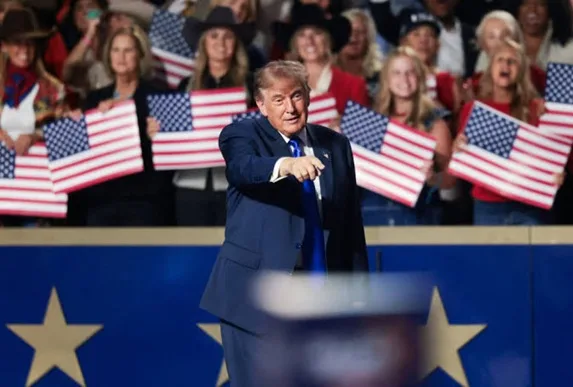
Trump’s remarks at the Republican convention aimed to rally support amid criticism over the war’s economic and security costs. The event, marked by speeches on border control, tax cuts, and energy production, highlighted the administration’s challenges in balancing military action with public sentiment. Internal divisions within the party were evident, as some candidates in competitive races avoided the main stage, according to reports.
Military and Diplomatic Moves
Trump’s administration has combined military strikes with economic pressure, though negotiations remain off the table. U.S. Secretary of State Marco Rubio denied claims of external aid to Iran, stating, “We don’t believe anybody’s giving Iran anything that’s changing the dynamics.” However, the administration has not ruled out future talks, though Trump emphasized “much more than a nuclear deal” as a priority.
Oil Prices and Economic Pressures
The war’s impact on energy markets has been profound, with analysts noting that prolonged conflict could sustain price volatility. The U.S. has responded by tapping reserves, but the depletion of strategic stocks has raised concerns about long-term energy security. Trump, however, remains confident in his prediction, framing the war as a necessary step to counter Iran’s “nuclear ambitions.”
Frequently Asked Questions
- When is the U.S. midterm election, and how does it relate to the Iran war? The U.S. midterm elections are scheduled for November 3, 2026. Trump has linked the war’s end to this date, claiming Iran will “end immediately” after the election due to its “desperation” to influence the outcome.
- How long has the U.S.-Iran war been ongoing? The conflict, which began in early 2026, is now in its seventh month as of September 2026. It has involved U.S. military strikes against Iranian assets, disruptions to oil shipments, and escalating regional tensions.
- What is the impact of the war on global oil prices? The war has driven international Brent crude past $100 per barrel, with U.S. gasoline prices rising to $4.22 per gallon. Trump has blamed the conflict for the spike, predicting prices will fall after the midterm elections.
Dateline Wire is dedicated to independent, evidence-backed reporting. This briefing was synthesized from primary source reporting, corroborated across independent newsrooms, and verified against our Editorial Standards.